Rubber Flooring Tiles: Features, Uses, and Installation Guide
Rubber Flooring Tiles have become a popular flooring option for spaces that require durability, comfort, and easy maintenance.
They are commonly found in gyms, playgrounds, schools, offices, workshops, and residential areas where safety and long-lasting performance are important. Their ability to withstand heavy foot traffic while providing a comfortable surface makes them suitable for many indoor and outdoor environments.
This guide explains what Rubber Flooring Tiles are, their main features, common applications, installation process, maintenance tips, and the factors to consider before choosing them.
What Are Rubber Flooring Tiles?
Rubber Flooring Tiles are modular flooring pieces made from natural rubber, recycled rubber, or synthetic rubber compounds. They are designed to create durable and slip-resistant surfaces that can handle regular use while helping to reduce impact and noise.
Unlike traditional flooring materials, rubber tiles are available in different sizes, thicknesses, colors, and surface textures. This flexibility allows them to be used in a wide range of commercial, educational, recreational, and residential spaces.
Key Features of Rubber Flooring Tiles
Rubber flooring offers several practical characteristics that make it suitable for demanding environments.
One of the most noticeable features is durability. Rubber tiles are designed to withstand heavy foot traffic, exercise equipment, and repeated daily use without wearing out quickly.
Another important feature is shock absorption. The resilient surface provides cushioning that helps reduce impact during walking, standing, or physical activities, making it more comfortable than many hard flooring materials.
Rubber flooring also provides good slip resistance, which contributes to safer walking surfaces in areas where moisture or frequent movement may occur.
Many rubber flooring products also help reduce noise by absorbing sound, making them useful in fitness centers, offices, classrooms, and apartment buildings.
Common Uses of Rubber Flooring Tiles
Rubber Flooring Tiles are used in many different environments because of their versatility and durability.
Fitness Centers
Gyms and exercise studios often use rubber flooring beneath workout equipment because it helps protect both the floor and the equipment while providing a comfortable exercise surface.
Children's Play Areas
Playgrounds, daycare centers, and indoor play spaces benefit from rubber flooring because its cushioned surface helps absorb impact during everyday activities.
Educational Facilities
Schools and training centers use rubber flooring in classrooms, hallways, sports facilities, and activity rooms where durability and easy maintenance are important.
Commercial Buildings
Office buildings, retail spaces, and public facilities often install rubber flooring in high-traffic areas where long-lasting performance is needed.
Healthcare Facilities
Hospitals, rehabilitation centers, and healthcare environments use rubber flooring in selected areas because it provides comfortable walking surfaces and helps reduce noise.
Residential Spaces
Homeowners may choose rubber flooring for home gyms, workshops, garages, laundry rooms, or recreation areas where durability and comfort are valued.
Types of Rubber Flooring Tiles
Different types of rubber flooring are designed for different applications.
Solid Rubber Tiles
Solid rubber tiles provide excellent durability and are commonly used in commercial spaces and fitness facilities.
Recycled Rubber Tiles
These tiles are manufactured using recycled rubber materials, making them a practical choice for environmentally conscious projects while maintaining durability.
Interlocking Rubber Tiles
Interlocking tiles connect without complicated installation methods, making them suitable for temporary or easily removable flooring applications.
Textured Rubber Tiles
Textured surfaces improve grip and are often selected for areas where additional slip resistance is beneficial.
How to Install Rubber Flooring Tiles
Proper installation helps create a smooth, durable flooring surface.
Before installation begins, the existing floor should be clean, dry, and level. Dust, moisture, and debris should be removed to help the tiles fit properly.
Next, measure the installation area carefully and plan the tile layout before placing the first tile. Starting from the center or a straight wall often helps maintain an even appearance.
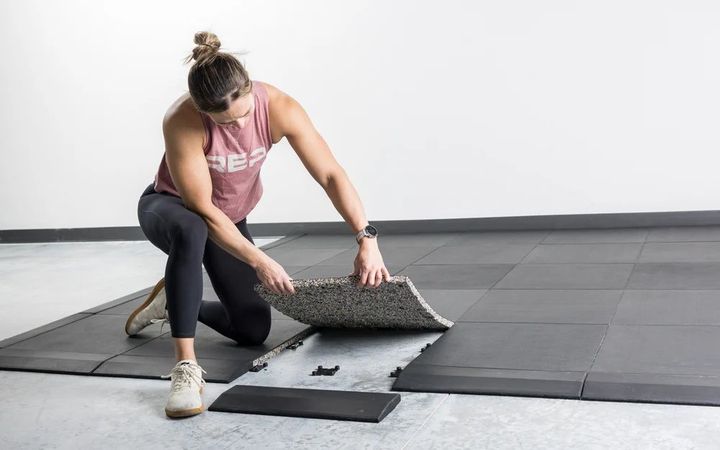
Depending on the tile design, the flooring may use interlocking edges or adhesive to secure the tiles in place. Each tile should fit tightly against the next to minimize visible gaps.
After installation, inspect the completed floor to ensure all tiles are properly aligned and securely positioned before regular use.
Benefits of Rubber Flooring Tiles
Rubber Flooring Tiles provide several practical advantages for different environments.
Their durable construction allows them to perform well in areas with constant foot traffic and frequent activity. The cushioned surface improves comfort during long periods of standing or exercise while helping reduce strain on joints.
Rubber flooring also contributes to quieter indoor environments by reducing sound created by footsteps and equipment movement. Its slip-resistant surface improves safety, especially in active environments where stability is important.
Another advantage is its relatively simple maintenance. Routine cleaning and occasional inspections help preserve the appearance and performance of the flooring over time.
Maintenance Tips
Keeping rubber flooring in good condition does not require complicated maintenance routines.
Regular sweeping removes dirt and loose debris before it accumulates on the surface. Damp mopping with a cleaner recommended for rubber flooring helps maintain cleanliness without damaging the material.
Furniture and heavy equipment should be moved carefully to avoid unnecessary surface damage. It is also helpful to clean spills promptly to maintain the floor's appearance and reduce the chance of staining.
Periodic inspections allow damaged tiles to be identified early so they can be replaced if necessary.
Choosing the Right Rubber Flooring Tiles
Several factors should be considered before selecting rubber flooring.
Think about the intended use of the space, expected foot traffic, and the amount of cushioning required. Tile thickness is particularly important for gyms and play areas where greater impact absorption may be beneficial.
Surface texture, color, maintenance requirements, and installation method should also match the needs of the environment. Choosing the appropriate tile size and design helps create a functional and visually appealing flooring system.
Conclusion
Rubber Flooring Tiles provide a durable, comfortable, and versatile flooring solution for many residential, commercial, educational, and recreational environments. Their combination of shock absorption, slip resistance, noise reduction, and long-lasting performance makes them suitable for spaces with regular activity and heavy foot traffic.
By understanding the available tile types, installation process, maintenance practices, and key features, it becomes easier to select the most appropriate flooring option for a specific project. With proper installation and routine care, rubber flooring can provide reliable performance for many years.