Hotel Restaurant Dining Sets: Complete Guide to Commercial Dining Furniture
Hotel restaurant dining sets are an essential part of creating comfortable and welcoming dining spaces.
Whether used in luxury hotels, boutique properties, cafés, banquet halls, or fine dining restaurants, the right dining furniture enhances the overall guest experience while supporting efficient daily operations.
A dining set typically includes tables and chairs designed to withstand frequent use while maintaining an attractive appearance. Modern commercial dining furniture combines durability, functionality, and style to suit different interior themes and hospitality environments.
Choosing suitable hotel restaurant dining sets involves considering materials, seating capacity, layout, comfort, maintenance, and long-term performance. This guide explains everything you need to know about commercial dining furniture, including its types, features, applications, benefits, and future trends.
Understanding the Concept
Hotel restaurant dining sets are furniture collections specifically designed for commercial dining environments. Unlike residential furniture, these sets are built to handle continuous daily use while providing comfort and visual appeal.
A typical dining set may include:
- Dining tables
- Dining chairs
- Booth seating
- Bar-height tables
- Counter stools
- Outdoor dining furniture
Commercial dining furniture is available in many styles, allowing hotels and restaurants to create dining spaces that match their overall design and atmosphere.
Key Types or Categories
Different hospitality environments require different types of dining furniture.
Indoor Dining Sets
Indoor dining sets are commonly used in hotel restaurants, banquet areas, cafés, and breakfast lounges.
Common features include:
- Durable table surfaces
- Comfortable seating
- Easy-to-clean materials
- Modern or classic designs
These sets are available in various sizes for both small and large dining areas.
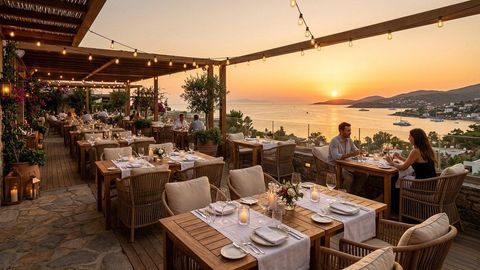
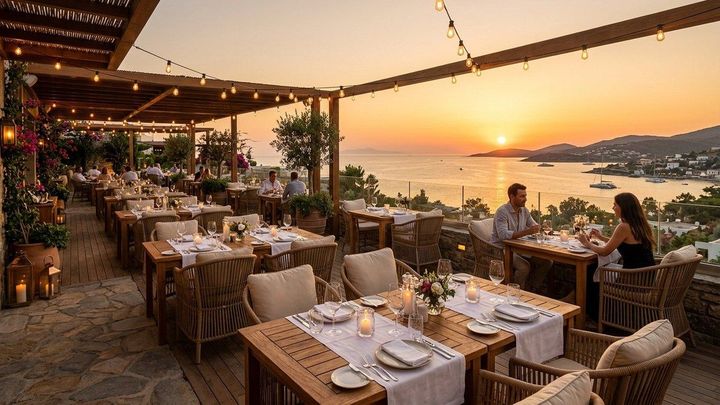
Outdoor Dining Sets
Outdoor dining furniture is designed to withstand changing weather conditions.
Popular materials include:
- Aluminum
- Stainless steel
- Synthetic wicker
- Treated wood
- Weather-resistant composites
Outdoor sets are commonly used on terraces, poolside areas, rooftop restaurants, and garden cafés.
Banquet Dining Sets
Banquet furniture is designed for conferences, weddings, and large hospitality events.
Advantages include:
- Stackable chairs
- Foldable tables
- Easy storage
- Flexible room arrangements
- Quick setup
These features simplify event preparation and space management.
Fine Dining Furniture
Fine dining restaurants often select elegant furniture with premium finishes.
Typical characteristics include:
- Upholstered chairs
- Premium wood finishes
- Marble or stone tabletops
- Decorative metal frames
- Sophisticated designs
This furniture supports an upscale dining atmosphere.
Café Dining Sets
Cafés generally prefer compact furniture that maximizes available seating while maintaining guest comfort.
Common options include:
- Round tables
- Compact chairs
- Counter seating
- Window seating
- High tables
These arrangements work well in limited spaces.
Important Subsections
Table Materials
Dining tables are manufactured using different materials depending on design preferences and durability requirements.
Popular choices include:
- Solid wood
- Engineered wood
- Stainless steel
- Tempered glass
- Marble
- Laminate surfaces
Each material provides unique advantages for maintenance and appearance.
Chair Construction
Commercial dining chairs focus on long-term durability.
Frame materials often include:
- Hardwood
- Steel
- Aluminum
- Molded plastic
- Composite materials
Seat cushions may use durable upholstery designed for frequent cleaning.
Seating Capacity
Dining tables are available in different seating configurations, including:
- Two-person tables
- Four-person tables
- Six-person tables
- Eight-person tables
- Large banquet tables
Flexible layouts help accommodate varying guest numbers.
Interior Design Compatibility
Dining furniture contributes significantly to restaurant aesthetics.
Common design styles include:
- Contemporary
- Traditional
- Industrial
- Scandinavian
- Minimalist
- Luxury hospitality
Selecting furniture that complements the interior creates a more inviting dining environment.
How It Works
Selecting appropriate dining sets involves several important steps.
Step 1: Evaluate Available Space
Measure the dining area carefully before choosing furniture.
Consider:
- Walkway space
- Emergency exits
- Guest movement
- Staff circulation
Proper spacing improves both comfort and operational efficiency.
Step 2: Determine Seating Requirements
Estimate average guest capacity during busy periods.
For example:
| Dining Area | Recommended Seating |
|---|---|
| Small Café | 20–40 Guests |
| Hotel Restaurant | 60–150 Guests |
| Banquet Hall | 150–500 Guests |
| Rooftop Dining | Flexible Layout |
| Outdoor Terrace | Weather-Resistant Seating |
Step 3: Select Suitable Materials
Choose materials based on:
- Daily usage
- Cleaning requirements
- Interior design
- Climate conditions
- Expected durability
Commercial-grade materials typically perform better in busy hospitality environments.
Step 4: Arrange Furniture Layout
Furniture should allow guests and staff to move comfortably.
Proper layout improves:
- Guest comfort
- Table accessibility
- Dining efficiency
- Emergency access
Step 5: Maintain Furniture Regularly
Routine maintenance includes:
- Cleaning surfaces
- Inspecting joints
- Tightening hardware
- Protecting finishes
- Replacing worn components when necessary
Regular care helps preserve appearance and durability.
Benefits and Advantages
Hotel restaurant dining sets provide numerous practical benefits.
Enhanced Guest Comfort
Comfortable seating encourages guests to enjoy their dining experience.
Professional Appearance
Well-designed furniture creates an attractive and welcoming atmosphere.
Long-Term Durability
Commercial dining furniture is built for continuous daily use in busy hospitality environments.
Flexible Layout Options
Many dining tables and chairs can be rearranged easily to support different seating arrangements and special events.
Easy Maintenance
Commercial materials are often selected for their resistance to stains, scratches, and frequent cleaning.
Efficient Space Utilization
Appropriate furniture layouts maximize seating capacity while maintaining guest comfort.
Real-World Examples or Applications
Commercial dining furniture is widely used across the hospitality industry.
Hotels
Hotel restaurants use dining sets for:
- Breakfast service
- Lunch dining
- Evening meals
- Private dining rooms
Fine Dining Restaurants
Elegant dining furniture complements premium dining experiences and refined interiors.
Banquet Halls
Large event venues require flexible furniture arrangements for weddings, conferences, and celebrations.
Cafés
Compact tables and comfortable seating support relaxed dining environments.
Rooftop Restaurants
Outdoor dining sets provide comfortable seating while complementing scenic city views.
Important Factors to Understand
Several considerations influence furniture selection.
Durability
Furniture should withstand frequent daily use without compromising stability or appearance.
Comfort
Proper seat height, table dimensions, and ergonomic chair design improve guest satisfaction.
Cleaning Requirements
Smooth, durable surfaces simplify routine cleaning and maintenance.
Safety
Stable construction and quality materials contribute to a safer dining environment.
Design Consistency
Furniture should complement lighting, flooring, décor, and the overall architectural style.
Future Trends and Industry Insights
Commercial dining furniture continues evolving with modern hospitality trends.
Sustainable Materials
Many manufacturers now use responsibly sourced wood, recycled metals, and environmentally conscious materials.
Modular Furniture
Modular dining systems allow restaurants to quickly adapt layouts for different group sizes and events.
Smart Hospitality Design
Hotels increasingly combine comfortable furniture with integrated charging ports, digital reservation systems, and adaptable seating arrangements.
Contemporary Minimalism
Clean lines, neutral colors, and multifunctional furniture remain popular in modern hospitality design.
Outdoor Dining Expansion
As outdoor dining continues growing in popularity, weather-resistant furniture with improved durability and comfort is becoming increasingly common.
Conclusion
Hotel restaurant dining sets play an important role in creating inviting, functional, and efficient dining environments. From luxury hotel restaurants and boutique cafés to banquet halls and rooftop venues, well-designed commercial dining furniture supports guest comfort while enhancing operational efficiency.
Choosing suitable dining sets involves evaluating available space, seating capacity, material durability, maintenance requirements, and overall design style. By carefully selecting commercial dining furniture that matches the hospitality environment, hotels and restaurants can create memorable dining experiences for guests while supporting long-term performance.
As hospitality design continues evolving, modern dining furniture emphasizes comfort, sustainability, flexibility, and innovative design, helping create dining spaces that are both practical and visually appealing.