Car Cleaning Guide: Explore Methods, Products, Equipment, Benefits, and Maintenance Factors
Car cleaning is the process of removing dirt, dust, road residue, stains, and other contaminants from a vehicle's exterior and interior surfaces. A car cleaning guide helps explain the different cleaning methods, products, equipment, benefits, and maintenance factors involved in keeping a vehicle in a suitable condition.
Car cleaning has existed since vehicles became part of everyday transportation. Early cleaning methods relied mainly on water, cloths, brushes, and basic detergents. As vehicle materials and finishes became more varied, specialized cleaning products and equipment were developed for paint, glass, tires, plastics, fabrics, carpets, and other surfaces.
Today, car cleaning can range from a simple hand wash to automated washing systems and detailed interior cleaning. The appropriate method depends on the vehicle's condition, surface materials, available equipment, environmental conditions, and the type of contamination being removed.
Common Car Cleaning Methods
Several methods are used for routine vehicle cleaning. Hand washing involves applying a suitable cleaning solution and physically removing dirt with wash mitts, microfiber cloths, brushes, and drying materials. This method allows individual areas of the vehicle to be inspected during cleaning.
Automatic washing systems use mechanical brushes, cloth materials, water jets, detergents, or combinations of these methods. They are designed to process vehicles with limited manual involvement.
Waterless or low-water cleaning methods use specialized cleaning solutions and microfiber materials to loosen and remove light surface contamination. These methods are generally more appropriate when the vehicle has relatively light dirt and when water use needs to be limited.
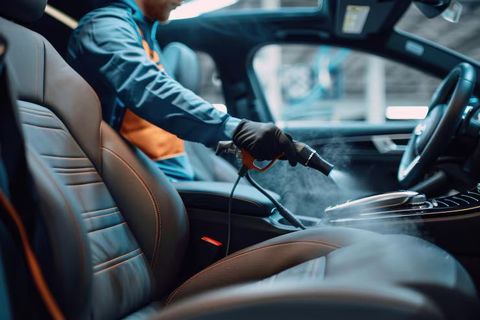
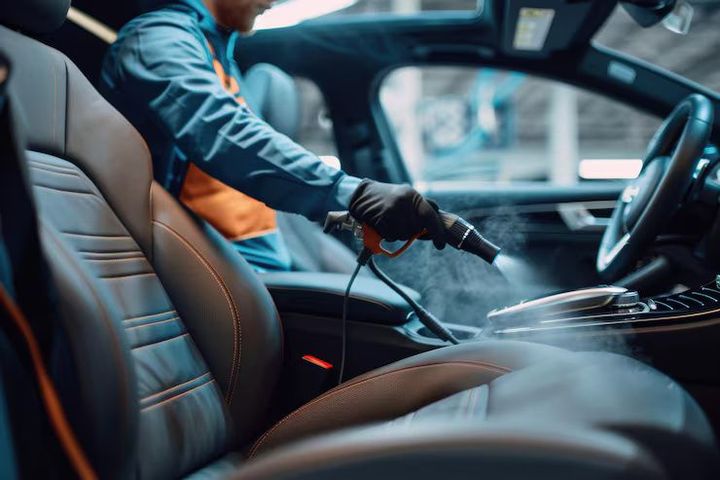
Steam cleaning uses heated vapor to loosen dirt from selected surfaces. It can be used for certain interior materials and some exterior applications, although the suitability depends on the surface and equipment instructions.
Exterior and Interior Cleaning
Exterior cleaning normally covers painted panels, windows, wheels, tires, lights, mirrors, and exterior plastics. Each material can respond differently to cleaning chemicals, brushes, temperature, and pressure.
Interior cleaning covers seats, carpets, floor mats, dashboards, door panels, glass, and other cabin surfaces. Vacuum cleaners, microfiber cloths, brushes, fabric cleaners, and appropriate surface cleaners are commonly used.
Importance
Regular car cleaning helps remove substances that accumulate during normal driving. Road dust, mud, bird residue, insects, salt, oils, and other contaminants can remain on surfaces if they are not periodically removed.
Cleaning is also relevant to visibility and general vehicle usability. Clear windows and mirrors support visibility, while clean headlights, lights, and exterior surfaces allow the condition of these components to be inspected more easily.
Everyday Benefits of Car Cleaning
Car cleaning can provide several practical benefits:
- Removes accumulated dirt and road residue.
- Helps keep windows and mirrors clear.
- Allows scratches, stains, corrosion, and other surface changes to be noticed.
- Helps prevent dirt from building up in interior fabrics and carpets.
- Maintains a cleaner cabin environment.
- Supports routine inspection of exterior and interior components.
Cleaning does not repair mechanical faults or replace scheduled vehicle maintenance. It is one part of general vehicle care.
Challenges in Vehicle Cleaning
Different contaminants require different approaches. Loose dust can often be removed relatively easily, while dried mud, grease, road film, and mineral deposits may require additional treatment.
Incorrect cleaning techniques can also create problems. Rough materials may produce fine scratches on painted surfaces, excessive pressure can affect vulnerable areas, and unsuitable chemicals may discolor plastics, damage coatings, or affect interior materials.
Water management is another consideration. Vehicle washing can generate wastewater containing dirt, oils, detergents, and other residues. Proper drainage and wastewater handling are particularly important for commercial or high-volume washing facilities.
Recent Updates
From 2024 through 2026, car cleaning has increasingly reflected broader developments in water conservation, equipment automation, specialized surface-care products, and more controlled cleaning processes.
Water reuse has received particular attention. CPCB material on reuse of treated sewage identifies vehicle exterior washing as a potential application for treated water and provides recommended quality parameters for that use.
This supports a broader trend toward systems that collect, treat, and reuse water rather than relying entirely on fresh water for repeated washing operations.
Water-Efficient Cleaning
Modern vehicle cleaning systems may incorporate pressure-controlled equipment, water-recovery systems, filtration units, settling tanks, and wastewater treatment equipment. These technologies can help manage the water generated during repeated washing.
CPCB documents also describe vehicle-washing and floor-washing runoff being collected and treated through wastewater treatment systems in industrial settings.
The actual water requirement varies substantially according to the equipment, washing method, vehicle condition, and process design.
Increasing Equipment Automation
Automated wash systems continue to use sensors, programmable controls, rotating equipment, water jets, chemical dosing systems, and drying mechanisms. These systems can coordinate several stages of cleaning with limited manual intervention.
Digital controls can also help monitor equipment operation and process conditions. The level of automation differs between basic washing equipment and more complex commercial installations.
Specialized Cleaning Products
The market has also developed more specialized formulations for particular surfaces. Examples include products intended for glass, tires, plastics, upholstery, carpets, dashboards, and painted exterior surfaces.
The increasing variety of vehicle materials makes surface compatibility important. Product labels and equipment instructions generally provide information about appropriate applications and limitations.
Laws or Policies
In India, car cleaning is affected by environmental, wastewater, workplace, and vehicle-related requirements. The exact rules applicable to a particular washing activity can depend on its location, scale, wastewater generation, and local authority requirements.
The Central Pollution Control Board is responsible for functions related to preventing and controlling water and air pollution under India's environmental framework.
For facilities that generate wastewater through vehicle washing, appropriate collection, treatment, reuse, or disposal arrangements may be relevant. CPCB documentation provides examples where vehicle and floor washing wastewater is collected and treated through treatment systems.
Water and Wastewater Considerations
The Water (Prevention and Control of Pollution) Act, 1974 forms an important part of India's water-pollution regulatory framework. Depending on the nature of an establishment and its discharge, requirements involving State Pollution Control Boards or Pollution Control Committees may apply.
CPCB's current resources include technical guidelines and water-quality information, while applicable state and local requirements can vary.
For commercial washing facilities, drainage should be designed so that contaminated wash water does not create uncontrolled discharge or runoff. Facilities may need to consider collection systems, treatment equipment, oil and grease management, and applicable permissions.
Vehicle-Related Requirements
Vehicle cleaning itself is different from mechanical or emissions compliance. A clean exterior does not establish that a vehicle meets roadworthiness or emissions requirements.
India's transport system includes the Pollution Under Control, or PUC, framework. The official Parivahan PUC system provides information relating to PUC certificates and testing.
Therefore, cleaning should be understood as a vehicle-care activity rather than a substitute for inspections, emissions testing, scheduled maintenance, or legally required documentation.
Tools and Resources
Several tools and resources can help with routine car cleaning and maintenance.
Basic Cleaning Equipment
Common equipment includes:
- Microfiber wash mitts and cloths
- Buckets and suitable wash containers
- Vacuum cleaners
- Soft detailing brushes
- Pressure washers
- Water hoses and spray nozzles
- Drying towels
- Glass-cleaning tools
- Wheel and tire brushes
- Interior cleaning tools
The equipment should be selected according to the surface being cleaned and the manufacturer's instructions.
Cleaning Products
Different surfaces can require different formulations. Typical categories include car shampoo, glass cleaner, wheel cleaner, tire cleaner, interior cleaner, upholstery cleaner, plastic cleaner, and drying products.
Using a product designed for a particular material can reduce the likelihood of unsuitable chemical interaction. Product labels should be checked before application, especially on sensitive finishes and interior materials.
Maintenance Records
A simple vehicle-cleaning record can help track routine care:
| Cleaning Area | Typical Task | Useful Record |
|---|---|---|
| Exterior paint | Wash and dry | Cleaning frequency |
| Glass | Clean windows and mirrors | Visibility condition |
| Wheels | Remove brake dust and road residue | Wheel condition |
| Tires | Clean sidewalls | Surface condition |
| Interior | Vacuum and wipe surfaces | Cabin condition |
| Seats | Clean according to material | Stains or marks |
| Floor mats | Vacuum and wash when suitable | Dirt accumulation |
| Equipment | Inspect and clean tools | Equipment condition |
For larger washing operations, additional records may include water use, wastewater treatment, equipment inspections, chemical use, and maintenance intervals.
Manufacturer Resources
Vehicle manuals are useful references for identifying material-specific precautions. They may contain information about suitable cleaning methods, sensitive surfaces, and areas that should not be exposed to particular chemicals or high-pressure water.
Equipment manuals are also important because pressure washers, vacuums, steam cleaners, and automated washing systems can have different operating limitations.
FAQs
What is the safest method for car cleaning?
A suitable method depends on the vehicle's surfaces and level of contamination. Gentle washing materials, appropriate cleaning products, controlled water pressure, and proper drying methods are commonly used for routine exterior cleaning.
How often should a car be cleaned?
Cleaning frequency depends on driving conditions, weather, parking conditions, road dust, and the type of contamination encountered. Vehicles exposed to mud, dust, rain, coastal conditions, or heavy road residue may require cleaning more frequently.
What products are used for car cleaning?
Common car cleaning products include vehicle shampoos, glass cleaners, wheel and tire cleaners, interior cleaners, upholstery products, and products designed for plastics or other specific surfaces. The product label should identify the intended application.
What equipment is needed for car cleaning?
Basic equipment can include microfiber cloths, wash mitts, buckets, brushes, a vacuum cleaner, drying towels, and suitable cleaning products. Pressure washers, steam cleaners, and specialized equipment may be used for particular cleaning methods.
Does car cleaning help maintain a vehicle?
Regular cleaning can remove contaminants and make surface conditions easier to inspect. However, it does not replace mechanical inspections, scheduled maintenance, fluid checks, tire checks, emissions testing, or other vehicle-care requirements.
Conclusion
Car cleaning involves several methods, products, and equipment designed for different vehicle surfaces and types of contamination. Hand washing, automated washing, low-water methods, and specialized cleaning processes each have different applications and considerations. Recent developments have placed greater attention on water reuse, wastewater management, equipment automation, and surface-specific cleaning products. In India, environmental and vehicle-related requirements provide additional considerations, particularly for facilities that generate or discharge wash water.