Car Dent Repair Knowledge: Discover Modern Techniques for Vehicle Body Restoration
Car dent repair is the process of restoring a vehicle’s damaged body panels after impacts, pressure, or minor collisions.
Understanding modern techniques helps vehicle owners recognize how dents are assessed, repaired, and finished while preserving the original structure of the panel.
Modern vehicle body restoration can involve paintless dent repair, conventional panel repair, specialized pulling tools, and computerized inspection methods. The appropriate technique depends on the dent’s size, depth, location, panel material, and condition of the paint.
Context
A car dent occurs when an external force changes the shape of a body panel. Common causes include minor collisions, parking incidents, falling objects, hail, and contact with other objects. Dents can range from shallow impressions to deeper damage involving creases, stretched metal, or damaged paint.
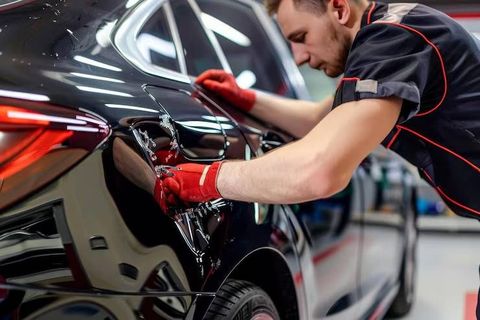
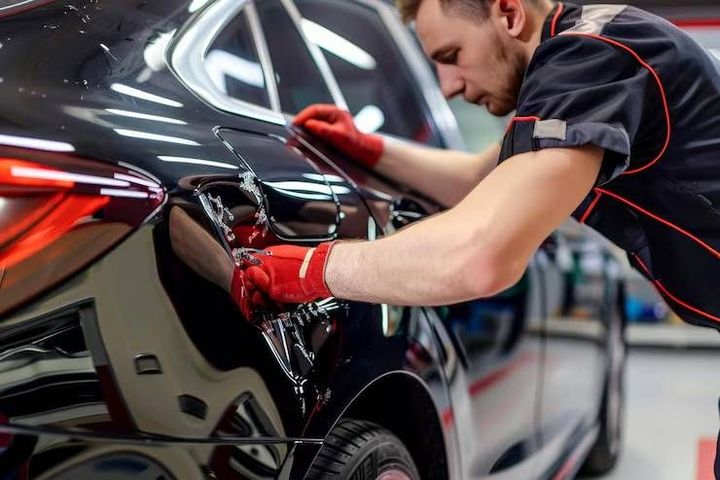
The purpose of car dent repair is to restore the panel as closely as practical to its previous shape. Before any work begins, technicians generally inspect the damaged area, identify the panel material, examine the paint surface, and determine whether the panel can be reshaped or needs more extensive body restoration.
Two common approaches are paintless dent repair and conventional dent repair. Paintless methods reshape suitable panels from behind or through controlled access points without repainting the affected area. Conventional methods may involve reshaping, filling, sanding, priming, and repainting when the paint or metal has sustained more significant damage.
| Dent characteristic | Common repair approach | Main consideration |
|---|---|---|
| Small, shallow dent | Paintless dent repair | Paint condition |
| Door ding | Paintless dent repair | Access behind panel |
| Sharp crease | Specialized dent repair | Metal deformation |
| Paint damage | Conventional body repair | Surface preparation |
| Deep collision damage | Panel restoration | Structural condition |
| Aluminum panel dent | Specialized techniques | Material properties |
The repair approach should be selected after examining the actual damage rather than relying only on the visible size of the dent.
Importance
Understanding car dent repair can help vehicle owners recognize the difference between cosmetic damage and damage that may affect a panel’s structure. A small-looking dent can sometimes include stretched metal, cracked paint, or damage around an edge.
Body panels also contribute to the appearance and condition of a vehicle. Proper restoration can help prevent damaged paint from becoming a pathway for corrosion, particularly when bare metal is exposed to moisture.
The issue can affect several groups:
- Vehicle owners assessing minor collision damage
- Drivers dealing with parking or weather-related dents
- Automotive technicians selecting repair techniques
- Vehicle inspectors examining body condition
- Fleet operators maintaining multiple vehicles
Material type is another important factor. Steel and aluminum respond differently to pressure and reshaping. Modern vehicles can also contain high-strength steels and composite materials, requiring appropriate techniques and equipment.
Recent Updates
Modern car dent repair increasingly uses specialized lighting, digital inspection, precision hand tools, glue-pulling equipment, and improved measuring techniques. High-contrast lighting can make subtle changes in a panel easier to identify during inspection.
Paintless dent repair has also developed beyond simple small-dent correction. Technicians can work with different panel shapes and increasingly complex body designs, although not every dent is suitable for this method.
Electric vehicles have introduced additional considerations for body restoration. Their body structures can incorporate aluminum, advanced high-strength steel, composites, and other materials. Repair procedures therefore need to account for the manufacturer’s specifications and the characteristics of each material.
Another development is the increased use of digital documentation. Photographs, inspection records, and measurements can help document the condition of a vehicle before and after body restoration.
Environmental considerations have also influenced automotive refinishing. Water-based coatings and improved paint-management processes are used in many modern body-repair environments to reduce certain emissions associated with traditional refinishing materials.
Laws or Policies
Car dent repair can be affected by national, state, and local rules concerning vehicle safety, roadworthiness, environmental protection, waste handling, and automotive repair practices.
In India, vehicle owners should consider applicable requirements under the Motor Vehicles Act, Central Motor Vehicle Rules, and relevant state transport regulations. Requirements can vary depending on the nature of the damage and whether structural components, safety systems, glazing, lighting, or other regulated parts are affected.
Insurance policies can also establish procedures for documenting accident damage and processing claims. Policy terms differ between insurers, so vehicle owners should review the applicable policy documents before beginning collision-related restoration.
Paints, solvents, coatings, and waste materials can also be subject to environmental and workplace requirements. Proper handling is particularly important where sanding, painting, chemical products, or damaged vehicle components are involved.
For significant collision damage, the condition of structural areas should be assessed separately from ordinary cosmetic dents. A body panel that appears visually restored may not indicate that underlying structural damage has been addressed.
Tools and Resources
Different dent conditions require different tools and information. Common equipment used in professional body restoration includes:
- Dent rods and precision hand tools
- Specialized inspection lights
- Glue-pulling systems
- Dent hammers and shaping tools
- Panel access tools
- Sanding and surface-preparation equipment
- Paint-matching and refinishing equipment
Vehicle manufacturers are an important source of repair information because they publish specifications and procedures for particular models. These instructions can identify material types, restricted repair areas, replacement requirements, and procedures for body components.
Government transport departments can provide information about vehicle regulations. Insurance documentation can also explain requirements related to accident reporting and damage assessment.
For basic learning, automotive repair manuals, technical training materials, and manufacturer documentation can help explain panel construction, metal behavior, paint systems, and repair limitations.
FAQs
What is paintless dent repair?
Paintless dent repair is a technique used to reshape suitable dents without removing the factory paint. It generally works best when the paint remains intact and the metal has not been excessively stretched.
Can every car dent be repaired without repainting?
No. Paintless methods are not appropriate for every type of damage. Cracked paint, severe creasing, stretched metal, sharp damage, or certain panel locations may require conventional restoration techniques.
Does aluminum require different dent repair techniques?
Yes. Aluminum has different physical properties from steel and can respond differently to reshaping. Specialized tools, techniques, and manufacturer procedures may be necessary.
How is a dent inspected before repair?
Inspection usually involves examining the panel under suitable lighting, checking the paint surface, identifying the panel material, and evaluating the depth, location, and shape of the damage.
Can a dent indicate hidden vehicle damage?
Yes. A visible dent can sometimes occur alongside damage to internal reinforcement, mounting points, or other components. Significant impacts should therefore be evaluated beyond the visible exterior panel.
Conclusion
Car dent repair combines inspection, material knowledge, specialized tools, and appropriate restoration techniques. Paintless dent repair can be suitable for certain paint-intact dents, while more extensive damage may require conventional panel restoration and refinishing.
Understanding the differences between repair methods helps vehicle owners interpret damage more accurately. Manufacturer procedures, applicable regulations, and proper inspection remain important when body damage extends beyond a simple cosmetic dent.
Regular visual inspection can also help identify paint damage, corrosion, or changes in panel alignment at an early stage. For significant collision damage, the condition of structural and safety-related components should be considered separately from the appearance of the body panel.