Explore Car Dent Repair: Complete Guide and Essential Knowledge
Car dents are a common issue that many vehicle owners experience. They can occur due to parking mishaps, minor collisions, hailstorms, falling objects, or accidental impacts. While some dents are purely cosmetic, others may affect the vehicle’s body structure, paint, or long-term condition. Understanding car dent repair helps vehicle owners make informed decisions about maintaining their automobiles.
Modern car dent repair techniques have evolved significantly over the years. Advances in materials, tools, and repair methods now allow technicians to address many dents without extensive bodywork. Learning the basics of dent repair can help individuals understand the process, recognize repair options, and appreciate the importance of preserving a vehicle’s appearance and value.
Context
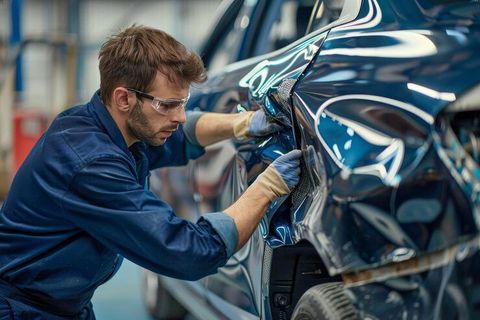
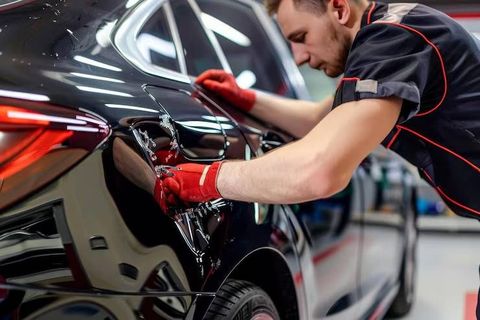
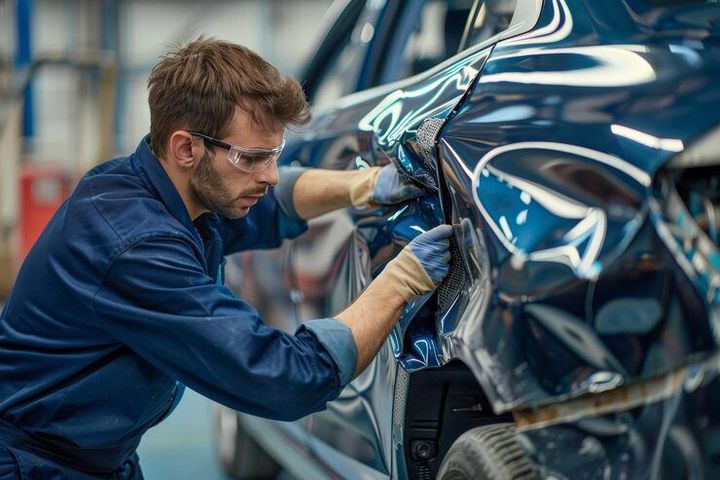
Car dent repair refers to the process of removing or correcting dents, dings, creases, and other surface deformities from a vehicle's body panels. The primary goal is to restore the original shape and appearance of the damaged area while maintaining the integrity of the vehicle.
Historically, dent repair often required filling, sanding, and repainting damaged sections. Today, several methods are available depending on the severity and location of the dent. One widely known approach is Paintless Dent Repair (PDR), which uses specialized tools to reshape metal panels from behind without affecting the existing paint.
Common Causes of Car Dents
- Parking lot incidents
- Minor traffic accidents
- Hail and severe weather events
- Falling branches or debris
- Accidental contact with shopping carts
- Door impacts from nearby vehicles
Types of Dents
| Dent Type | Description | Typical Repair Method |
|---|---|---|
| Ding | Small, shallow dent | Paintless Dent Repair |
| Crease Dent | Long, narrow indentation | PDR or body repair |
| Round Dent | Circular impact damage | PDR or panel reshaping |
| Sharp Dent | Deep, pointed dent | Traditional repair methods |
| Hail Dent | Multiple small dents | Paintless Dent Repair |
Importance
Car dent repair is important for both aesthetic and practical reasons. Even minor dents can affect the overall appearance of a vehicle and may reduce its perceived condition.
Timely repair can also help prevent additional problems. If a dent damages the paint layer, moisture may reach exposed metal surfaces, potentially leading to corrosion over time. Addressing dents early helps maintain the vehicle's exterior protection.
People who may be affected by vehicle dents include:
- Daily commuters
- Commercial vehicle operators
- Fleet managers
- Vehicle collectors
- Individuals living in regions prone to hailstorms
Maintaining a vehicle's body condition can also support long-term preservation and contribute to a positive ownership experience.
Recent Updates
Between 2024 and 2026, the automotive repair industry has continued adopting new technologies and processes that improve efficiency and accuracy.
One significant trend is the increased use of digital damage assessment systems. These tools use cameras, artificial intelligence, and software platforms to analyze dent severity and recommend suitable repair approaches.
Another development involves advanced vehicle materials. Many newer vehicles use aluminum panels and mixed-material body structures. Repair techniques and specialized tools have adapted to accommodate these materials while maintaining manufacturer specifications.
Emerging Trends
- AI-assisted damage assessment
- Mobile inspection applications
- Improved paintless dent repair tools
- Enhanced training for aluminum body repairs
- Greater use of digital documentation and reporting
Electric vehicles have also influenced repair practices. Technicians increasingly follow manufacturer guidelines to ensure repairs are performed safely around battery systems and electronic components.
Laws or Policies
Car dent repair is generally governed by consumer protection laws, vehicle safety standards, environmental regulations, and insurance guidelines. The exact requirements vary by country and region.
In many jurisdictions, repair facilities must comply with environmental regulations regarding paint products, waste disposal, and emissions control. These regulations help reduce environmental impact and encourage responsible handling of automotive materials.
Insurance policies may also contain specific provisions related to vehicle damage assessment and repair procedures. Vehicle owners should review their policy documents to understand coverage details and claim requirements.
Common regulatory areas include:
- Environmental compliance for paint and materials
- Workplace safety requirements
- Vehicle repair documentation standards
- Insurance claim procedures
- Consumer protection regulations
Vehicle manufacturers may additionally publish repair guidelines to help ensure repairs meet recommended standards for structural integrity and appearance.
Tools and Resources
Various tools and resources can help vehicle owners, technicians, and researchers better understand car dent repair processes.
| Resource Type | Purpose |
|---|---|
| Vehicle Manufacturer Manuals | Repair procedures and specifications |
| Insurance Claim Portals | Damage reporting and claim tracking |
| Damage Assessment Apps | Photo-based dent evaluation |
| Automotive Training Platforms | Educational materials and certifications |
| Maintenance Records Templates | Tracking repairs and inspections |
Useful categories of online resources include:
- Government transportation agencies
- Road safety organizations
- Automotive industry associations
- Vehicle manufacturer information portals
- Automotive education platforms
These resources can provide guidance on repair methods, maintenance practices, safety recommendations, and regulatory requirements.
FAQs
What is Paintless Dent Repair?
Paintless Dent Repair is a technique that removes minor dents by carefully reshaping the metal from behind the panel without repainting the affected area.
Can all dents be repaired using Paintless Dent Repair?
No. Deep dents, dents with damaged paint, or severe structural deformation may require traditional body repair methods.
Do dents affect vehicle safety?
Small cosmetic dents generally do not affect safety. However, significant impact damage may influence structural components and should be professionally evaluated.
How can vehicle owners help prevent dents?
Parking carefully, avoiding crowded parking areas when possible, using covered parking, and staying aware of weather conditions can reduce dent risks.
Are aluminum panels repaired differently from steel panels?
Yes. Aluminum behaves differently than steel during repair and often requires specialized tools, training, and repair techniques.
Conclusion
Car dent repair plays an important role in maintaining a vehicle’s appearance, condition, and long-term durability. Modern repair methods, including Paintless Dent Repair and digital assessment technologies, have expanded the options available for addressing various types of dents. Understanding the causes, repair techniques, regulations, and available resources helps vehicle owners make informed decisions. As automotive technology continues to evolve, dent repair practices are expected to become even more precise and efficient.