Car Diagnostic Scanners Guide: Basics, Tips, Insights, and Expert Advice for Beginners
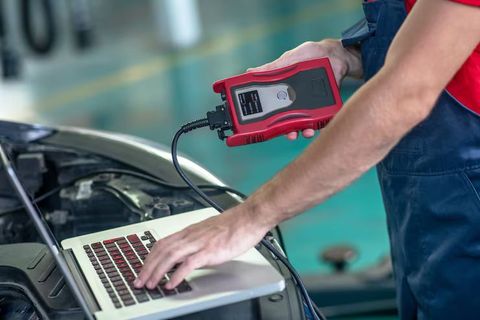
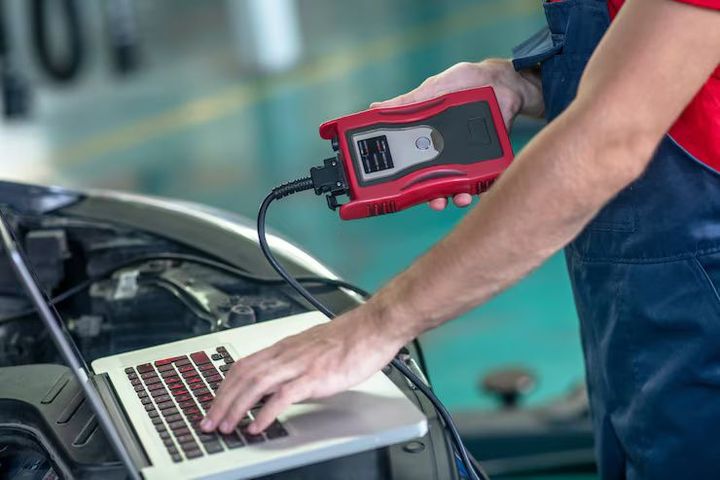
Car diagnostic scanners are electronic tools used to communicate with a vehicle’s onboard computer system. Modern vehicles are equipped with an On-Board Diagnostics (OBD) system that monitors engine performance, emissions, and various mechanical functions. When an issue occurs, the system generates error codes, which diagnostic scanners can read and interpret.
Car diagnostic scanners are devices designed to simplify vehicle maintenance and troubleshooting. Instead of manually inspecting every component, these tools allow technicians and vehicle owners to identify potential issues quickly through digital data .
Most scanners connect through the OBD-II port, which is standard in vehicles manufactured after the mid-1990s. Once connected, they retrieve diagnostic trouble codes (DTCs), live sensor data, and system status information.
Types of Car Diagnostic Scanners
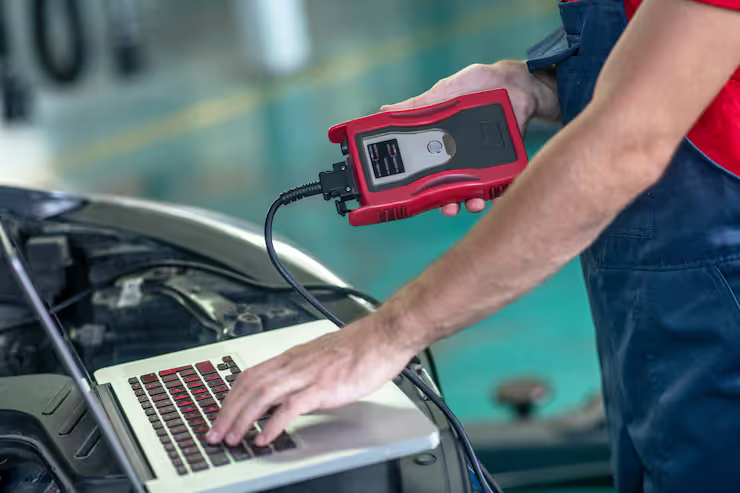
Different types of diagnostic scanners offer varying levels of functionality. Each type is suited to specific users and diagnostic needs.
Common Scanner Types
- Basic code readers for engine fault codes
- Professional OBD-II scanners with advanced features
- Bluetooth-enabled scanners that connect to mobile apps
- OEM-level scanners designed for specific vehicle brands
These tools range from simple code reading devices to advanced systems capable of full vehicle diagnostics.
Why Car Diagnostic Scanners Matter Today
Car diagnostic scanners are essential due to the increasing complexity of modern vehicles. Today’s cars rely heavily on electronic control units (ECUs), sensors, and software systems.
Who Benefits from Diagnostic Tools
- Vehicle owners managing routine maintenance
- Automotive technicians diagnosing complex issues
- Fleet managers monitoring multiple vehicles
- Regulatory authorities ensuring emission compliance
Key Problems They Help Solve
- Identifying engine faults quickly
- Reducing guesswork in repairs
- Monitoring emissions systems
- Improving fuel efficiency
- Preventing long-term mechanical damage
As technologies like hybrid engines, electric drivetrains, and ADAS systems grow, these tools provide critical performance insights.
Recent Trends and Updates in 2025
Car diagnostic technology continues to evolve alongside modern automotive advancements. In 2025, several innovations are shaping the industry.
Key Developments
- AI-powered diagnostics for predictive maintenance
- Cloud-based diagnostic platforms
- Enhanced compatibility with electric and hybrid vehicles
- Growth of mobile app-based tools
- Improved real-time data visualization
Remote diagnostics is becoming more common, allowing vehicles to send performance data to centralized systems. Advanced analytics also help predict failures before they occur, improving maintenance efficiency.
Regulatory and Policy Considerations
Car diagnostic scanners are influenced by regulations related to emissions and safety. These standards ensure vehicles meet environmental and operational requirements.
Key Regulations
- Mandatory OBD-II systems in modern vehicles
- Emission testing requirements during inspections
- Compliance with environmental standards
- Data access rules for independent repair professionals
Global standards such as OBD-II, ISO 15765, and SAE diagnostic protocols ensure consistency. Policies like “Right to Repair” are also expanding access to diagnostic data.
Tools and Resources for Car Diagnostics
A wide range of tools and digital platforms support modern car diagnostics. These tools improve efficiency and accuracy in vehicle maintenance.
Common Diagnostic Tools
- OBD-II scanners (handheld and wireless)
- Mobile diagnostic apps
- Automotive diagnostic software
- ECU programming tools
- Digital repair manuals
Key Features
- Reading and clearing error codes
- Live data monitoring
- Freeze frame analysis
- Emission readiness checks
- Battery system diagnostics
Comparison of Scanner Types
Below is a simple comparison of different scanner categories:
| Scanner Type | Feature Level | Connectivity | Typical Users |
|---|---|---|---|
| Basic Code Reader | Low | Wired | General vehicle owners |
| Mid-Range Scanner | Moderate | Wired/Wireless | Car enthusiasts |
| Professional Scanner | Advanced | Wired + Software | Automotive technicians |
| Mobile App Scanner | Variable | Bluetooth/Wi-Fi | Everyday users |
Simple Diagnostic Workflow
Using a car diagnostic scanner typically follows a straightforward process.
Step-by-Step Process
- Connect the scanner to the OBD-II port
- Turn on the vehicle ignition
- Retrieve diagnostic trouble codes
- Interpret the codes using software or manuals
- Perform necessary inspection or maintenance
This workflow helps streamline troubleshooting and ensures efficient repairs.
Frequently Asked Questions
What is an OBD-II scanner used for?
An OBD-II scanner reads and interprets error codes from a vehicle’s onboard system. It helps identify potential issues quickly.
Can diagnostic scanners detect all problems?
They can detect many electronic and system-related issues. However, mechanical problems may still require manual inspection.
Are scanners compatible with all vehicles?
Most scanners work with OBD-II-compatible vehicles. Compatibility may vary depending on the model and manufacturer.
What are diagnostic trouble codes (DTCs)?
DTCs are standardized codes generated by a vehicle to indicate specific faults or malfunctions.
Do electric vehicles require diagnostic scanners?
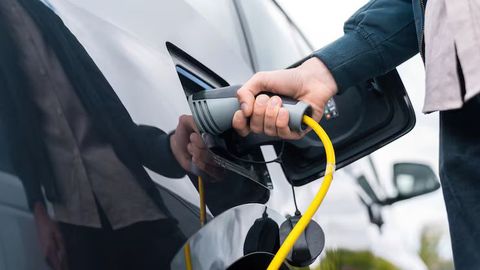
Yes, electric vehicles rely on advanced electronic systems. Specialized diagnostic tools are needed for proper monitoring and troubleshooting.
Additional Insights for Beginners
Understanding diagnostic data is as important as using the scanner itself. Each error code indicates a specific issue, but further analysis is often required to find the root cause.
Helpful Tips for Beginners
- Learn common diagnostic codes
- Understand basic vehicle systems
- Use reliable diagnostic software
- Maintain records of past diagnostics
Modern scanners are designed with user-friendly interfaces, making them accessible even for beginners.
Conclusion
Car diagnostic scanners play a vital role in modern automotive maintenance. They help monitor vehicle health, detect issues early, and support efficient repairs.
With advancements in AI, cloud technology, and connected vehicles, these tools are becoming more powerful and accessible. Understanding their use can improve vehicle performance, reduce risks, and enable better decision-making in vehicle care.