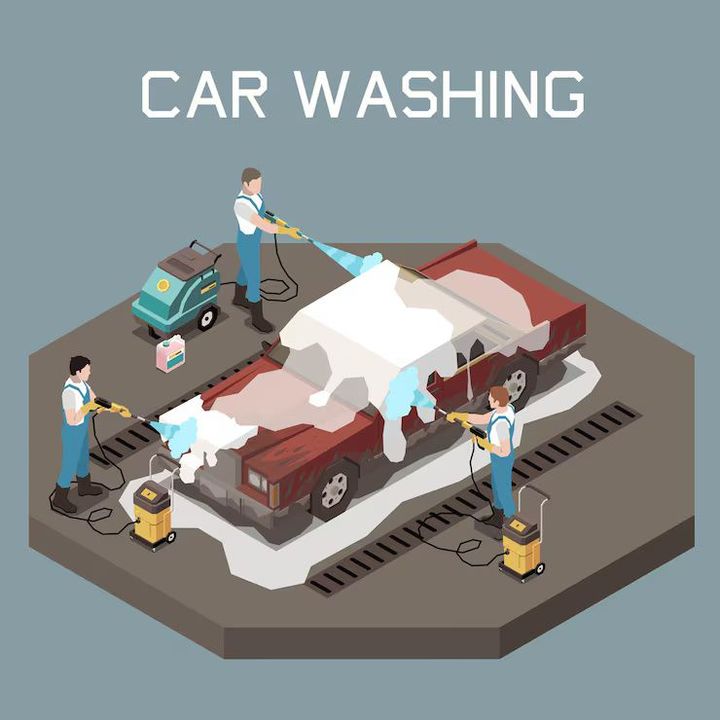
Car Washing Machines Tips for Efficient Maintenance and Water Usage
Car washing machines are specialized vehicle cleaning equipment designed to clean cars efficiently using water pressure, brushes, detergents, and automated systems. These machines are widely used in commercial car wash facilities, fuel stations, fleet maintenance centers, and residential settings. Over time, car washing technology has evolved from manual bucket-and-cloth methods to advanced automatic car wash systems that reduce water consumption and improve cleaning consistency.
Car washing machines were developed to streamline vehicle cleaning, reduce labor, and improve hygiene standards. As global vehicle ownership increased, traditional manual washing became time-consuming and resource-intensive.
Modern car washing machines include:
- Tunnel-based automatic car wash systems
- Roll-over or in-bay automatic units
- Touchless car wash machines
- Self-service pressure washer stations
- Industrial fleet washing systems
Core Technologies Used
These machines rely on a combination of:
- High-pressure washer technology
- Foam application systems
- Rotating brushes or cloth strips
- Water recycling systems
- Electronic control panels
The goal is to deliver consistent cleaning results while optimizing water and energy usage.
Importance of Car Washing Machines
The significance of car washing machines has grown due to environmental, economic, and operational factors.
Environmental Sustainability
Urban areas face water scarcity and pollution challenges. Modern automatic car wash systems often include water reclamation units to filter and reuse water. Compared to manual washing, they reduce water waste and prevent untreated detergents from entering storm drains.
Time Efficiency
Vehicle owners and fleet operators benefit from fast wash cycles. A standard automatic car wash cycle typically takes 5–10 minutes depending on the system configuration.
Commercial Fleet Maintenance
Logistics, public transport, and rental industries rely on car washing machines to maintain brand image and comply with safety standards. Clean vehicles improve visibility, reduce corrosion risk, and extend paint life.
Hygiene and Public Perception
Post-pandemic, surface cleanliness and hygiene awareness have increased. Professional car washing machines can include underbody wash systems and setups compatible with disinfectants.
Manual vs. Automatic Washing
| Feature | Manual Washing | Automatic Car Wash System |
|---|---|---|
| Water Usage | High | Controlled & Optimized |
| Cleaning Consistency | Variable | Uniform |
| Time Required | 20–40 mins | 5–10 mins |
| Water Recycling Capability | Rare | Common |
| Labor Dependency | High | Low to Moderate |
Recent Updates and Industry Trends
The car washing industry has seen technological and environmental developments over the past year.
Smart Automation and IoT Integration
Manufacturers are integrating IoT sensors into car wash systems to monitor:
- Water flow rate
- Chemical dilution ratios
- Machine performance metrics
- Maintenance alerts
Data-driven dashboards allow operators to optimize operations and reduce downtime.
Water Recycling Enhancements
New filtration modules can reclaim 80–90% of wash water, particularly useful in water-stressed regions.
Eco-Friendly Detergent Compatibility
Touchless car wash systems increasingly support biodegradable and phosphate-free detergents, aligning with environmental regulations.
Electric Vehicle Adaptations
With rising EV adoption, wash equipment now accommodates sensitive charging ports and battery enclosures. Underbody wash pressure is calibrated to prevent water intrusion risks.
Automation Growth in Urban India
Cities like Mumbai, Delhi, and Bengaluru report increased adoption of automatic car wash systems in multi-level parking facilities and residential complexes for space efficiency.
Laws and Policies Affecting Car Washing Machines
Car washing machines are regulated by environmental, water management, and municipal guidelines.
Water Usage Regulations
In India, commercial water usage is governed by municipal corporations and state pollution control boards. Requirements may include:
- Installation of water recycling systems
- Avoiding direct stormwater discharge
- Use of treated or borewell water within permitted limits
The Central Pollution Control Board (CPCB) provides guidelines for wastewater treatment and discharge standards.
Wastewater Management Rules
Facilities may require:
- Oil and grease traps
- Sedimentation tanks
- Effluent treatment systems
Discharge limits for Total Suspended Solids (TSS) and Chemical Oxygen Demand (COD) must comply with regulations.
Electrical and Safety Compliance
Automatic car wash systems must meet:
- Electrical safety standards
- Grounding and waterproofing requirements
- Equipment certification norms
In India, BIS electrical standards are relevant for commercial installations.
Urban Planning and Zoning Rules
Municipal bodies regulate:
- Location approvals
- Drainage connections
- Noise control standards
Compliance with local bylaws is essential before installation.
Tools and Resources for Car Washing Operations
Digital tools help operators manage and maintain car washing machines efficiently.
Operational Management Tools
- Cloud-based machine monitoring dashboards
- Preventive maintenance scheduling software
- Inventory tracking for detergents and spare parts
Water Usage Calculators
Environmental agencies provide calculators to measure water efficiency improvements.
Compliance and Regulatory Resources
- Central Pollution Control Board (CPCB) website
- State Pollution Control Board portals
- Municipal online approval systems
Technical Documentation
Manufacturers provide:
- Installation manuals
- Maintenance checklists
- Safety compliance documentation
Water Usage Comparison
| Wash Type | Average Water Use (Liters) |
|---|---|
| Manual Hose Washing | 150–300 |
| Self-Service Pressure | 80–120 |
| Automatic with Recycling | 50–100 |
Frequently Asked Questions
What is the difference between a touchless and brush-based system?
Touchless systems use high-pressure water jets and detergents without physical contact. Brush-based systems use rotating brushes or cloth strips for mechanical cleaning.
How much water does an automatic car wash system use?
Water usage varies with system type and recycling capacity. Modern systems with water reclamation use significantly less fresh water than manual washing.
Are car washing machines safe for electric vehicles?
Most modern systems are designed for EVs. Ensure charging ports are closed before washing.
Do car washing machines require special drainage systems?
Yes. Commercial installations need proper drainage, oil separators, and wastewater treatment systems.
How often should equipment be maintained?
Preventive maintenance varies by manufacturer, but common intervals include weekly inspections, monthly calibration, and periodic filter and nozzle replacement.
Conclusion
Car washing machines have revolutionized vehicle cleaning by combining automation, water efficiency, and environmental compliance. As urbanization grows, automatic and touchless car wash systems are gaining popularity.
Innovations in IoT monitoring, water recycling, and EV compatibility reflect a move toward smarter and more responsible vehicle cleaning. Compliance with wastewater rules, electrical safety standards, and municipal regulations remains essential for commercial operations.
Understanding car washing machines’ context, importance, regulatory landscape, and operational tools helps organizations make informed decisions about vehicle maintenance. With continued technological advancement, the industry is expected to improve efficiency, environmental performance, and reliability in the coming years.