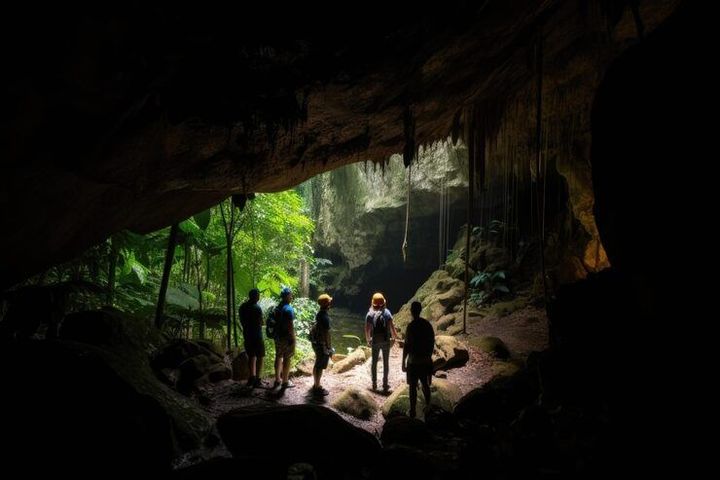
Cave Exploration Adventures and Nature Travel Guide
Cave exploration adventures are outdoor travel activities focused on discovering natural underground spaces such as limestone caves, lava tubes, sea caves, and rock formations. These environments often contain unique geological structures, underground rivers, mineral deposits, and rare ecosystems that cannot be found on the surface.
People explore caves for many reasons. Some travelers enjoy the adventure and physical challenge, while others are interested in geology, photography, history, biodiversity, or environmental learning. In many countries, cave tourism has become part of broader eco-tourism and nature travel programs that encourage responsible outdoor activities.
Underground exploration has existed for centuries. Ancient communities used caves for shelter, religious ceremonies, and storage. Over time, scientific researchers began studying caves to understand Earth’s history, climate patterns, fossils, and underground water systems. Today, modern cave exploration combines recreation, education, conservation, and sustainable tourism practices.
Caves are usually classified into different types depending on how they were formed. Common examples include:
- Limestone caves formed by water erosion
- Lava caves created by volcanic activity
- Glacier caves shaped by ice movement
- Sea caves formed by coastal waves
- Sandstone caves developed through weathering
Many travelers visit caves to experience natural landscapes that remain largely untouched. Underground environments also provide opportunities for observing rare animals such as bats, cave fish, and unique insect species adapted to dark ecosystems.
Why Underground Nature Travel Matters Today
Cave exploration adventures have become increasingly important because more people are looking for meaningful outdoor experiences connected to nature and environmental awareness. Urban lifestyles and digital routines have increased interest in activities that support physical movement, outdoor education, and environmental understanding.
Nature-based tourism also supports regional development in many rural and mountain areas. Communities near protected cave systems often benefit from tourism infrastructure, conservation programs, educational centers, and guided environmental activities.
The topic matters today for several reasons:
- Increased interest in eco-tourism and sustainable travel
- Growing awareness about environmental conservation
- Educational opportunities related to geology and biodiversity
- Outdoor recreation alternatives for families and students
- Scientific research on underground ecosystems and climate history
Caves also play an important environmental role. Many underground systems store freshwater resources and help scientists study long-term climate changes through mineral formations known as speleothems. These formations preserve environmental records that can be thousands of years old.
The following table shows key areas where cave exploration contributes to modern travel and environmental awareness.
| Area | Importance |
|---|---|
| Eco-Tourism | Encourages responsible nature travel |
| Environmental Education | Helps people learn about geology and ecosystems |
| Scientific Research | Supports climate and biodiversity studies |
| Regional Tourism | Attracts visitors to rural destinations |
| Outdoor Recreation | Promotes healthy adventure activities |
Another important factor is travel diversification. Travelers are increasingly exploring less crowded destinations instead of traditional urban tourism centers. Underground travel experiences offer a different type of adventure focused on natural landscapes and exploration rather than commercial entertainment.
Recent Updates in Cave Tourism and Adventure Travel
During 2025 and early 2026, several global trends influenced cave exploration and underground tourism activities. Environmental tourism programs expanded in many countries as governments and travel organizations focused more on sustainable outdoor experiences.
In late 2025, several protected cave regions introduced visitor management systems designed to reduce environmental damage caused by overcrowding. These systems included limited entry schedules, digital permits, and guided exploration pathways.
Adventure travel trends during 2025 also showed increased interest in:
- Small-group eco-tourism experiences
- Educational geology tours
- Wildlife observation programs
- Sustainable travel planning
- Digital mapping for underground navigation
Researchers also reported growing use of 3D cave scanning technologies. These tools help scientists map underground systems more accurately while reducing physical disruption to fragile cave environments.
Climate discussions during 2025 highlighted the importance of caves in environmental research. Scientists continued studying cave mineral deposits to understand rainfall history, temperature changes, and long-term environmental conditions.
The graph below explains major recent trends connected to cave exploration travel.
| Trend | Growth Area |
|---|---|
| Eco-Tourism | Strong Increase |
| Conservation Programs | Moderate Increase |
| Geological Education | Growing Interest |
| Digital Cave Mapping | Rapid Development |
| Wildlife Protection | Expanding Globally |
Many countries also increased awareness campaigns about cave safety and responsible tourism after several incidents involving unprepared travelers in remote underground areas. Educational programs now emphasize preparation, safety equipment, and environmental protection.
Laws and Policies Related to Cave Exploration
Cave exploration activities are often regulated because caves are sensitive natural environments. Laws and environmental frameworks vary by country, but most governments apply rules designed to protect ecosystems, geological formations, and wildlife habitats.
Protected cave systems are commonly managed under:
- National park regulations
- Wildlife conservation laws
- Environmental protection policies
- Eco-tourism management programs
- Cultural heritage preservation frameworks
Some caves are restricted during certain seasons to protect bat populations and breeding habitats. Flash photography, littering, and touching mineral formations may also be limited in protected regions.
Many countries now require:
- Visitor permits for restricted cave zones
- Guided entry in protected areas
- Environmental impact monitoring
- Safety compliance standards
- Preservation measures for geological formations
Governments and conservation organizations continue working together to balance tourism growth with environmental sustainability. Educational signage, visitor caps, and eco-tourism guidelines have become more common since 2025.
Travelers are generally encouraged to follow low-impact outdoor practices, including:
- Staying on marked paths
- Avoiding damage to cave formations
- Respecting wildlife habitats
- Carrying proper safety equipment
- Following local environmental rules
These policies help reduce long-term damage while preserving underground ecosystems for future generations.
Tools and Resources for Cave Exploration Learning
Modern cave exploration relies on both traditional outdoor preparation and digital learning tools. Travelers, students, and researchers often use mapping systems, environmental guides, and safety planning resources before visiting underground locations.
Helpful resources commonly used for cave exploration include:
- Underground navigation applications
- Geological learning platforms
- Weather monitoring tools
- Digital trail maps
- Outdoor safety checklists
- Travel planning templates
- Environmental education materials
- Biodiversity identification guides
Safety equipment remains an important part of underground travel preparation. Commonly recommended gear includes helmets, waterproof lights, navigation devices, durable footwear, and emergency communication tools.
Travel planning resources also help visitors understand:
- Cave accessibility conditions
- Seasonal weather impacts
- Environmental restrictions
- Wildlife protection periods
- Physical difficulty levels
Educational institutions increasingly use virtual cave mapping and digital simulation tools to teach geology and environmental science. These technologies allow learners to study underground structures without disturbing fragile environments.
Frequently Asked Questions About Cave Exploration
What is cave exploration?
Cave exploration is the activity of visiting and studying underground natural spaces such as limestone caves, lava tubes, and rock formations for recreation, education, or scientific learning.
Is cave exploration considered eco-tourism?
Yes. Many cave activities are part of eco-tourism because they focus on nature travel, environmental education, and conservation awareness when conducted responsibly.
Why are caves environmentally important?
Caves support unique ecosystems, store freshwater resources, and preserve geological records that help scientists study climate history and environmental changes.
What safety equipment is commonly used in caves?
Common equipment includes helmets, headlamps, waterproof lights, navigation tools, durable footwear, and emergency supplies suitable for underground conditions.
Are all caves open to visitors?
No. Some caves are protected by environmental laws, seasonal wildlife restrictions, or conservation policies that limit public access.
Conclusion
Cave exploration adventures continue to grow as part of modern nature travel and environmental tourism. These underground experiences combine outdoor activity, scientific learning, and ecological awareness in ways that appeal to travelers seeking meaningful connections with nature.
As eco-tourism trends expand during 2026, responsible cave exploration remains closely linked to conservation, education, and sustainable travel practices. Governments, researchers, and environmental organizations continue developing policies that protect underground ecosystems while supporting safe public access.