CNC Milling Machines Explained: Smart Tips & Techniques
CNC milling machines have transformed modern manufacturing by making production faster, more accurate, and highly consistent. From aerospace components to automotive parts and medical equipment, these advanced machines play an important role in industries that require precision engineering.
Unlike traditional manual milling, CNC (Computer Numerical Control) milling uses computer programming to control cutting tools. This process helps manufacturers create complex shapes and detailed parts with minimal human error.
As industrial automation continues to expand worldwide, CNC machining remains one of the most valuable technologies in smart manufacturing environments.
Understanding How CNC Milling Machines Work
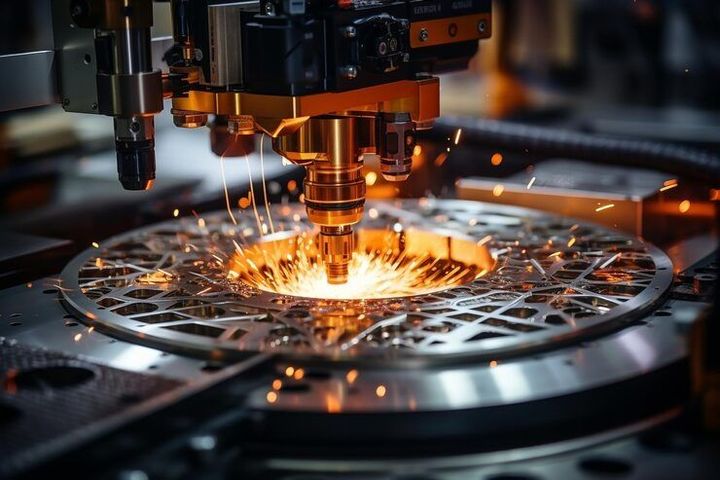
A CNC milling machine removes material from a workpiece using rotating cutting tools controlled by computer software. The machine follows programmed instructions, allowing it to cut, drill, slot, and shape materials with exceptional precision.
The basic process usually includes:
CAD Design
The product is first designed using Computer-Aided Design (CAD) software. Engineers create a digital model that defines dimensions and specifications.
CAM Programming
The CAD design is converted into machine instructions through Computer-Aided Manufacturing (CAM) software. These instructions generate tool paths for the milling operation.
Material Processing
The CNC machine follows the programmed commands and performs the required cuts while maintaining exact measurements.
This automated workflow helps improve productivity and reduces waste in manufacturing operations.
Common Types of CNC Milling Machines
Different projects require different machine configurations.
Vertical Milling Machines
These machines have vertically mounted cutting tools and are commonly used for general machining applications.
Horizontal Milling Machines
Horizontal machines are suitable for heavy-duty cutting and larger production runs because they handle chips more efficiently.
Multi-Axis CNC Milling Machines
Three-axis, four-axis, and five-axis CNC machines can move in multiple directions, allowing manufacturers to create highly complex components.
Multi-axis machining is increasingly popular in industries where advanced geometry and tight tolerances are essential.
Materials Used in CNC Milling
CNC milling machines can process a wide variety of materials, making them highly flexible for industrial applications.
Common materials include:
Metals
- Aluminum
- Stainless steel
- Titanium
- Brass
- Copper
Plastics
- ABS
- Nylon
- Polycarbonate
- Acrylic
Composite Materials
Advanced composites are often used in aerospace and automotive manufacturing because of their strength and lightweight properties.
Choosing the right material directly affects machining performance, tool life, and final product quality.
Smart Tips for Better CNC Milling Results
Experienced machinists often follow proven techniques to improve efficiency and precision.
Select the Right Cutting Tool
Different materials require different cutting tools. Using the proper tool geometry helps reduce wear and improve surface finish.
Optimize Cutting Speeds and Feed Rates
Balanced machining parameters can increase productivity while protecting both the machine and the cutting tools.
Secure the Workpiece Properly
Stable clamping minimizes vibration and improves dimensional accuracy during the milling process.
Monitor Tool Wear
Regular inspection helps prevent unexpected failures and maintains consistent machining quality.
Use High-Quality CNC Programming
Well-designed tool paths reduce unnecessary movement and improve cycle times, making production more efficient.
The Role of Industrial Automation in CNC Machining
Industrial automation and CNC milling technology work together to create highly efficient production systems.
Modern manufacturing facilities often combine CNC machines with robotics, automated material handling, and real-time monitoring systems. These technologies improve production flow and reduce downtime.
Digital manufacturing also allows engineers to collect machine performance data, helping them optimize operations and predict maintenance needs before problems occur.
This approach supports the growing trend toward smart factories and connected manufacturing environments.
Current Trends in CNC Milling Technology
The CNC machining industry continues to evolve with new innovations.
Artificial Intelligence Integration
AI-powered systems can analyze machining data and recommend process improvements.
Digital Twin Technology
Virtual machine simulations allow manufacturers to test production strategies before actual machining begins.
Advanced CAD CAM Software
Modern software solutions simplify complex programming tasks and improve overall efficiency.
Sustainable Manufacturing
Many facilities are adopting environmentally responsible machining practices by reducing material waste and improving energy efficiency.
Industry research suggests that global investment in advanced manufacturing technologies continues to grow as companies seek greater precision and operational reliability.
Benefits of CNC Milling Machines
CNC milling offers several important advantages for modern manufacturing operations.
High Precision
Computer-controlled machining produces highly accurate parts with consistent quality.
Better Productivity
Automation allows machines to operate continuously with minimal interruptions.
Improved Repeatability
Identical parts can be produced repeatedly without significant variations.
Greater Design Flexibility
Complex geometries that are difficult to create manually can be manufactured efficiently.
Reduced Material Waste
Optimized tool paths and precise cutting minimize unnecessary material removal.
These advantages make CNC milling an essential technology across many industrial sectors.
Challenges to Consider
Although CNC milling provides significant benefits, some factors require careful planning.
Complex programming may require advanced technical knowledge. Machine calibration and preventive maintenance are also important for maintaining long-term accuracy.
Additionally, selecting the wrong cutting strategy or machining parameters can reduce efficiency and shorten tool life.
Understanding these factors helps manufacturers maximize the value of CNC technology.
Conclusion
CNC milling machines are a cornerstone of modern precision manufacturing. Their ability to produce accurate, repeatable, and complex components makes them valuable across industries ranging from aerospace to electronics.
By understanding machine operation, selecting the right materials, optimizing cutting techniques, and embracing industrial automation, manufacturers can improve efficiency and achieve better machining results.