Complete Guide to Factory Tools and Manufacturing Equipment
Factory tools are an important part of modern manufacturing. They help shape raw materials, assemble products, inspect quality, and support daily operations. Whether producing furniture, vehicles, electronics, or packaged goods, factories depend on a wide range of tools to keep production organized and efficient. Many people think of large machines when they hear the term "factory tools."
While machines play a major role, factory tools also include hand tools, measuring instruments, power tools, material handling equipment, and safety devices. Each type has a specific purpose and helps workers complete tasks accurately and consistently.
This guide explains what factory tools are, the different categories, common examples, and how they contribute to manufacturing environments.
What Are Factory Tools?
Factory tools are equipment and instruments used during manufacturing, assembly, maintenance, inspection, and material handling. Some are operated by hand, while others use electricity, compressed air, or hydraulic systems.
Different industries require different tool combinations. A metal fabrication facility, for example, uses cutting and welding tools, while an electronics factory relies on precision screwdrivers, testing equipment, and soldering tools.
Choosing the right tool for the task helps improve accuracy, reduce material waste, and support a safer workplace.
Main Types of Factory Tools
Factories use many kinds of tools depending on the products they manufacture. The following categories are commonly found across different industries.
Hand Tools
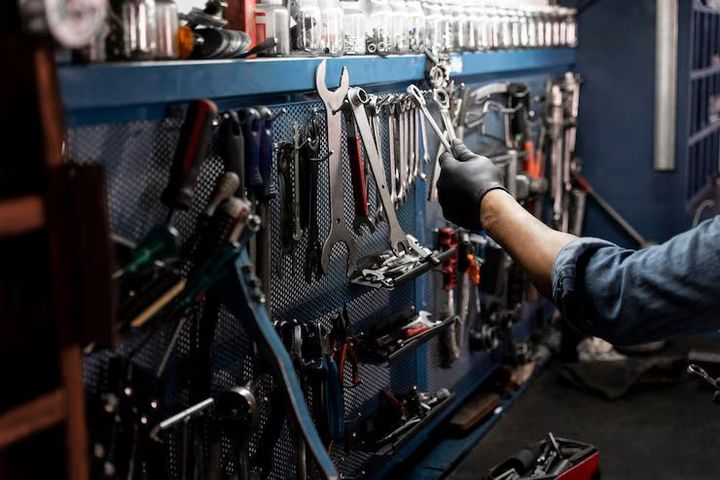
Hand tools are operated without electricity or compressed air. They remain essential because they provide precision and flexibility for many tasks.
Common hand tools include:
- Screwdrivers
- Hammers
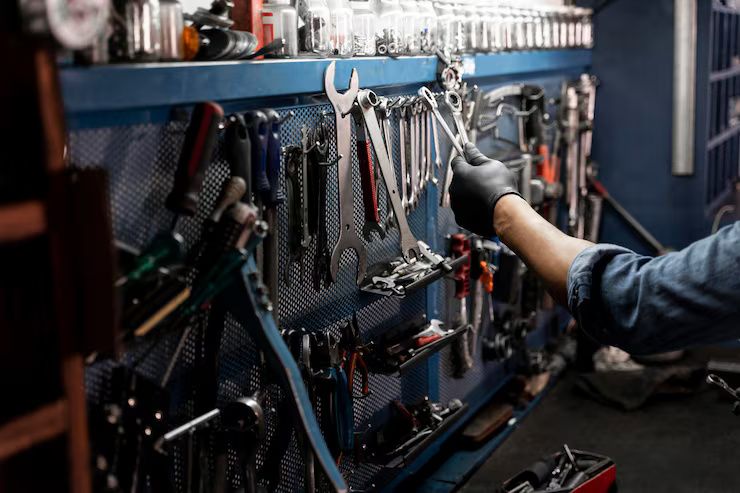
- Wrenches
- Pliers
- Allen keys
- Utility knives
- Chisels
- Files
These tools are frequently used during assembly, equipment adjustments, repairs, and routine maintenance.
Power Tools
Power tools use electric motors, batteries, or compressed air to perform work more quickly than manual tools.
Examples include:
- Electric drills
- Impact drivers
- Angle grinders
- Circular saws
- Sanders
- Rotary tools
- Pneumatic wrenches
These tools help reduce physical effort while improving consistency during repetitive work.
Measuring Tools
Accurate measurements are important throughout manufacturing. Measuring tools help verify dimensions before, during, and after production.
Common measuring tools include:
- Tape measures
- Steel rulers
- Vernier calipers
- Micrometers
- Dial indicators
- Height gauges
- Digital measuring devices
Regular measurement checks help maintain consistent product dimensions and reduce production errors.
Cutting Tools
Cutting tools remove material to create the desired shape or size.
Examples include:
- Milling cutters
- Drill bits
- Lathe cutting tools
- Saw blades
- Hole saws
- End mills
- Metal shears
Different materials require different cutting tools. Metal, wood, plastic, and composite materials each have unique cutting requirements.
Welding Tools
Many manufacturing facilities join metal components through welding.
Common welding equipment includes:
- MIG welders
- TIG welders
- Stick welders
- Welding torches
- Clamps
- Welding helmets
- Wire brushes
Proper welding tools help create strong joints while supporting safe working practices.
Material Handling Tools
Factories move materials throughout the production process using specialized handling equipment.
Examples include:
- Hand trucks
- Pallet jacks
- Forklifts
- Hoists
- Chain blocks
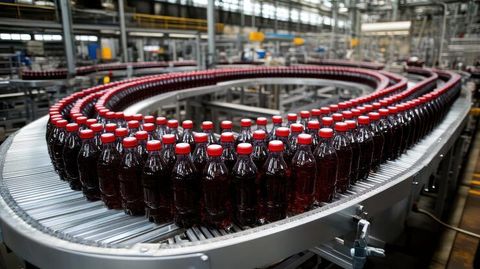
- Conveyors
- Lift tables
These tools reduce manual lifting and help move heavy materials more efficiently between workstations.
Inspection and Quality Control Tools
Manufacturing depends on regular inspections to confirm that products meet design specifications.
Inspection tools include:
- Surface gauges
- Thickness gauges
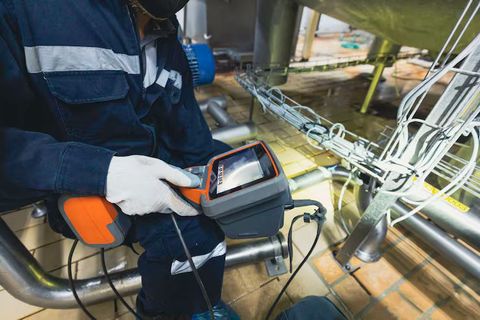
- Digital inspection cameras
- Torque testers
- Hardness testers
- Coordinate measuring machines (CMMs)
These tools help identify variations early, allowing adjustments before production continues.
Fastening Tools
Many products require bolts, nuts, screws, and rivets during assembly.
Common fastening tools include:
- Torque wrenches
- Rivet guns
- Screw guns
- Nut runners
- Impact wrenches
- Pneumatic fastening systems
Applying the correct fastening force helps components remain secure without damaging parts.
Factory Maintenance Tools
Manufacturing equipment requires regular maintenance to continue operating reliably.
Maintenance teams commonly use:
- Grease guns
- Oil dispensers
- Bearing pullers
- Socket sets
- Inspection flashlights
- Hydraulic jacks
- Alignment tools
Routine maintenance helps reduce unexpected equipment downtime and supports longer equipment life.
Safety Equipment Used Alongside Factory Tools
Using tools safely is just as important as using the correct tool.
Common protective equipment includes:
- Safety glasses
- Protective gloves
- Hearing protection
- Face shields
- Steel-toe footwear
- Hard hats
- Respiratory protection
Many factories also install emergency stop buttons, machine guards, warning signs, and lockout systems to improve workplace safety.
Factors to Consider When Choosing Factory Tools
Several factors influence which tools are suitable for a manufacturing environment.
Material Type
Different materials require different tools. Steel, aluminum, plastic, wood, and composite materials all respond differently during cutting, drilling, and shaping.
Production Volume
High-volume manufacturing often benefits from automated or powered tools, while smaller production runs may rely more on manual equipment.
Precision Requirements
Some industries require extremely tight tolerances. Precision measuring and machining tools become especially important in these situations.
Worker Safety
Tools should support safe operation through ergonomic designs, protective features, and clear operating procedures.
Maintenance Requirements
Tools that are regularly cleaned, inspected, and maintained generally remain dependable for longer periods.
Everyday Factory Tool Applications
Factory tools support nearly every stage of manufacturing.
Examples include:
- Cutting raw materials
- Drilling holes
- Tightening fasteners
- Measuring finished parts
- Polishing surfaces
- Welding components
- Packaging products
- Equipment maintenance
- Product inspection
- Material movement
Although these tasks differ between industries, the purpose remains the same: helping production move forward in an organized and controlled manner.
Emerging Trends in Factory Tools
Manufacturing continues to evolve with advances in technology.
Some modern developments include:
- Smart digital measuring equipment
- Battery-powered industrial tools
- Connected maintenance systems
- Automated inspection equipment
- Robotic assembly tools
- Predictive maintenance sensors
- Digital torque monitoring
- Computer-assisted machining equipment
These technologies help improve accuracy, monitor equipment performance, and support consistent manufacturing processes.
Caring for Factory Tools
Proper care helps tools remain reliable and ready for use.
Helpful maintenance practices include:
- Cleaning tools after use
- Checking for wear or damage
- Lubricating moving parts when appropriate
- Keeping measuring tools properly calibrated
- Storing tools in dry, organized locations
- Replacing worn cutting edges when needed
- Following manufacturer maintenance recommendations
Well-maintained tools contribute to smoother production and fewer interruptions.
Common Mistakes to Avoid
Even experienced workers can encounter problems when tools are used incorrectly.
Some common mistakes include:
- Using the wrong tool for a task
- Ignoring tool wear
- Skipping measurement checks
- Applying excessive force
- Forgetting personal protective equipment
- Poor tool storage
- Delaying maintenance
- Operating damaged equipment
Developing good habits helps reduce these issues and supports a more organized workplace.
Conclusion
Factory tools form the foundation of manufacturing across many industries. From simple hand tools to advanced inspection systems, each plays a specific role in production, maintenance, quality control, and workplace safety.
Understanding the different categories of factory tools helps explain how manufacturing processes come together. As technology continues to develop, modern factories are combining traditional tools with digital equipment, automation, and smarter monitoring systems. Even with these advancements, careful tool selection, regular maintenance, and safe working practices remain essential parts of efficient manufacturing.