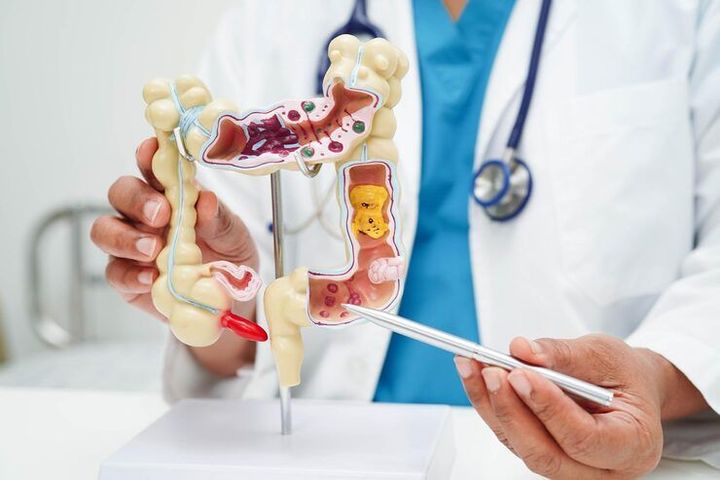
Colon cancer screening exists because colorectal cancer often develops silently in its early stages. Symptoms such as abdominal discomfort, unexplained weight loss, or changes in bowel habits may not appear until the disease has progressed. Screening helps detect abnormalities before symptoms arise.
Medical experts began promoting screening after research showed that early detection significantly improves health outcomes. Screening tests can also identify precancerous polyps, which may be removed before becoming harmful.
Common Screening Methods
Several screening options are available, each with different purposes and preparation requirements:
-
Colonoscopy
-
Stool-based tests (FIT)
-
Stool DNA tests
-
CT colonography (virtual colonoscopy)
-
Flexible sigmoidoscopy
Healthcare providers recommend specific tests based on age, family history, and individual risk factors. Screening is widely used as a preventive healthcare strategy across many countries.
Why Colon Cancer Screening Matters Today
Colon cancer is one of the most commonly diagnosed cancers worldwide and remains a leading cause of cancer-related deaths. Increasing awareness of screening is essential due to lifestyle and demographic changes that influence cancer risk.
Factors such as aging populations, dietary habits, sedentary lifestyles, and genetic conditions can increase the likelihood of developing colorectal cancer. Screening helps address these risks effectively.
Key Benefits of Screening
-
Detects cancer before symptoms appear
-
Identifies precancerous polyps early
-
Supports timely medical treatment
-
Reduces complications
-
Improves survival outcomes
Screening is generally recommended for individuals aged 45 and older, although recommendations may vary.
High-Risk Groups
-
People with a family history of colorectal cancer
-
Individuals with inflammatory bowel diseases
-
Those with hereditary genetic syndromes
-
Adults with long-term digestive disorders
Public awareness campaigns encourage early screening, as many people delay testing due to lack of information or misconceptions.
Recent Updates in Colon Cancer Screening
Recent research has improved screening methods and increased awareness. In 2025, studies highlighted the effectiveness of non-invasive stool DNA tests combined with advanced laboratory analysis.
Artificial intelligence is also being used to assist doctors in analyzing colonoscopy images. These systems help identify polyps that may otherwise be missed during examinations.
Key Trends (2024–2025)
-
Increased awareness campaigns promoting screening at age 45
-
Growth of digital health platforms for reminders
-
Use of AI-assisted colonoscopy technology
-
Research into blood-based cancer detection methods
Risk-based screening models are also emerging, allowing personalized screening schedules based on individual health data.
Laws, Policies, and National Health Programs
Colon cancer screening is supported by healthcare policies and national programs in many countries. Governments often follow guidelines developed by global and national health organizations.
These guidelines help determine screening practices and preventive healthcare strategies.
Key Policy Areas
-
Recommended screening age
-
Testing frequency
-
Risk-based screening categories
-
Preventive healthcare policies
Many countries include colorectal screening in national cancer control programs. These initiatives aim to improve early detection and reduce long-term healthcare burdens.
Additional Supporting Policies
-
Health insurance coverage for screening tests
-
Workplace wellness programs
-
National cancer awareness campaigns
Helpful Tools and Educational Resources
Digital tools and educational platforms help individuals understand screening and maintain preventive health practices. These resources provide information about symptoms, risks, and testing methods.
Useful Tools
-
Cancer risk assessment calculators
-
Preventive health checklists
-
Appointment reminder apps
-
Health record management platforms
-
Educational health websites
These tools also help track medical history, screening schedules, and lifestyle factors.
Screening Methods Overview
| Screening Method | Purpose | Frequency Range | Detection Type |
|---|
| Colonoscopy | Examines entire colon | Every 10 years | Polyps and cancer |
| FIT Stool Test | Detects hidden blood in stool | Usually yearly | Possible bleeding |
| Stool DNA Test | Identifies abnormal DNA markers | Every 3 years | Cancer indicators |
| CT Colonography | Imaging scan of colon | Every 5 years | Structural abnormalities |
| Sigmoidoscopy | Examines lower colon | Every 5 years | Polyps and cancer |
Health Monitoring Categories
| Health Monitoring Category | Example Indicators |
|---|
| Digestive Health | Bowel pattern changes |
| Lifestyle Factors | Diet and physical activity |
| Family Medical History | Genetic risk markers |
| Preventive Care | Screening timelines |
Frequently Asked Questions
What is the recommended age for screening?
Most health organizations recommend starting colon cancer screening at age 45 for average-risk individuals. Those with higher risk may need earlier screening.
Are screening tests painful?
Most screening methods involve minimal discomfort. Colonoscopy is usually performed with sedation, while stool-based tests are non-invasive.
How often should screening be done?
The frequency depends on the test type and personal risk factors. Colonoscopy is typically done every ten years, while stool tests may be done annually.
What are early signs of colon cancer?
Early-stage colon cancer may not show symptoms. Possible signs include abdominal discomfort, blood in stool, weight loss, and changes in bowel habits.
Can screening prevent colon cancer?
Screening can detect and remove precancerous polyps, reducing the risk of cancer. Early detection also improves treatment outcomes.
Conclusion
Colon cancer screening plays a critical role in preventive healthcare by detecting abnormalities before serious disease develops. Since early-stage colorectal cancer often has no symptoms, screening helps identify risks sooner.
Modern screening methods, along with advancements like AI and personalized screening models, are improving detection accuracy. Government programs and public awareness initiatives also support broader access to screening.
Understanding screening options and following medical advice can help individuals take proactive steps toward long-term health. Regular screening, combined with awareness of risk factors, supports effective prevention and early intervention.