Dental sealants are a key part of preventive dental care. Instead of treating cavities after they appear, sealants help reduce the risk of tooth decay before it starts. They are commonly used for children but are also beneficial for adults at higher risk of cavities.
Sealants are made from safe materials like resin or glass ionomer. Once applied, they bond to the tooth surface and form a protective barrier against plaque and acids. This helps maintain long-term oral hygiene and reduces the chances of decay.
How Dental Sealants Are Applied
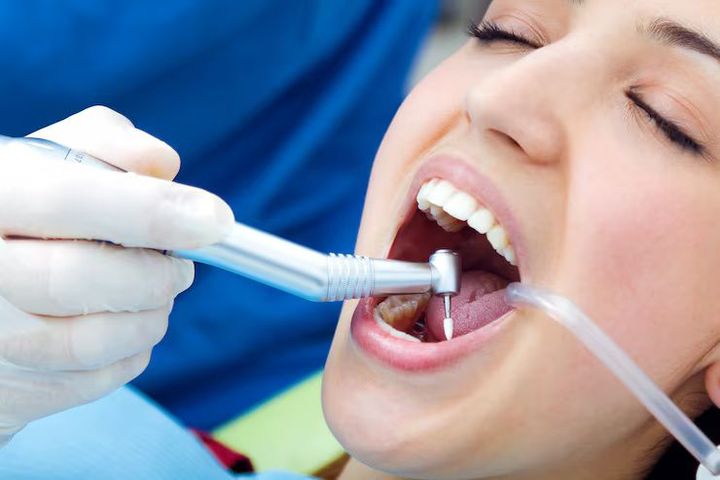
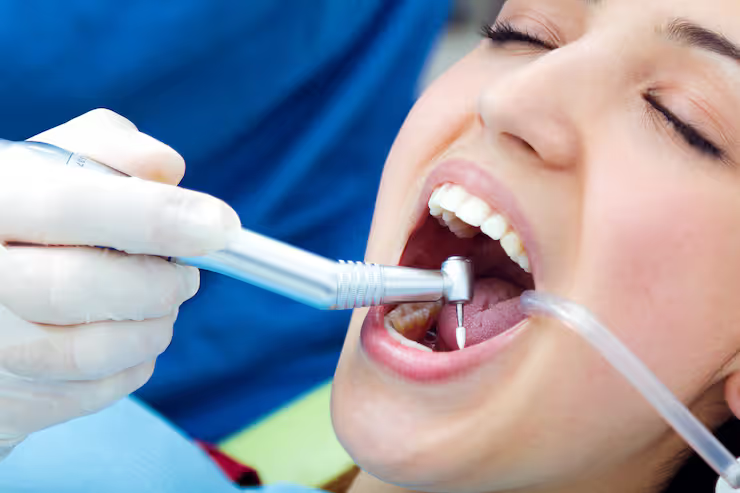
The application process is simple and painless. It is typically completed in a single dental visit and does not require drilling or anesthesia.
The process includes:
-
Cleaning and drying the tooth
-
Applying a mild solution to support bonding
-
Placing the sealant material
-
Hardening the sealant with a curing light
This quick procedure supports preventive oral health strategies and long-term protection.
Why Dental Sealants Matter in Modern Oral Health
Dental sealants play a significant role in reducing cavity risk. They are especially useful for people who may struggle with maintaining perfect oral hygiene habits.
This topic is important today because:
-
Tooth decay remains one of the most common chronic conditions worldwide
-
Children and teenagers are more vulnerable due to developing habits
-
Adults with deep molar grooves also face higher risk
-
Preventive care reduces the need for complex dental treatments
Sealants help address several common oral health challenges:
-
Difficulty cleaning hard-to-reach areas
-
Plaque buildup in deep grooves
-
Early enamel erosion
-
Increased sugar consumption in modern diets
They align with modern healthcare trends that focus on prevention rather than treatment.
Comparison of Tooth Protection Methods
| Method | Primary Purpose | Target Area | Effectiveness Focus |
|---|
| Toothbrushing | Remove plaque | All tooth surfaces | Daily maintenance |
| Fluoride Treatment | Strengthen enamel | Entire mouth | Mineral protection |
| Dental Sealants | Block bacteria entry | Molars and premolars | Physical barrier protection |
Recent Trends and Developments in 2025
Preventive dentistry has evolved significantly in 2025. One major advancement is the development of bioactive sealants that release fluoride and minerals over time, improving enamel strength.
Digital dentistry is also transforming how sealants are used. Dentists now rely on imaging tools and AI-supported diagnostics to detect early decay and identify where sealants are most effective.
Recent trends include:
-
Increased awareness programs in schools
-
Growth of minimally invasive dental techniques
-
Personalized care plans based on risk analysis
-
Improved durability of modern sealant materials
Studies in early 2025 show that sealants can remain effective for several years with proper care. Public health initiatives are also promoting early preventive interventions, especially for children.
Regulations and Public Health Policies
Dental sealants are regulated to ensure safety and effectiveness. Health authorities oversee the materials used and require strict testing before approval.
Important policy aspects include:
-
Approval of dental materials by regulatory bodies
-
Pediatric dental care guidelines
-
School-based oral health programs
-
Preventive healthcare initiatives
Different regions follow structured approaches:
-
The United States supports school sealant programs through public health agencies
-
India promotes early dental care through national health programs
-
European agencies enforce strict safety standards for dental materials
These regulations ensure that sealants remain safe, accessible, and effective in modern healthcare systems.
Helpful Tools and Resources for Oral Health Awareness
Digital tools and educational resources play an important role in improving oral hygiene awareness. They help individuals track habits and understand preventive care strategies.
Common tools include:
-
Mobile apps for tracking oral hygiene
-
Dental reminder applications
-
Educational websites on preventive dentistry
-
Digital dental monitoring systems
-
Risk assessment tools for cavity prevention
Overview of Oral Health Resources
| Resource Type | Purpose |
|---|
| Mobile Health Apps | Track daily oral hygiene habits |
| Educational Websites | Provide dental care knowledge |
| Digital Diagnostic Tools | Support early decay detection |
| Preventive Care Guides | Offer structured hygiene practices |
Using these tools can improve daily habits and support awareness about dental sealants and preventive care.
Common Questions About Dental Sealants
What Are Dental Sealants Made Of?
Dental sealants are usually made from resin-based materials or glass ionomer compounds. These materials are safe and designed to bond effectively to tooth surfaces.
Who Can Benefit from Dental Sealants?
Children and teenagers are the most common users. However, adults with deep grooves in their teeth or a higher risk of cavities can also benefit.
How Long Do Dental Sealants Last?
Sealants can last for several years with proper care. Regular dental check-ups help ensure they remain intact and effective.
Do Sealants Replace Brushing and Flossing?
No, sealants are an additional protective measure. Daily brushing, flossing, and dental visits are still necessary.
Are Dental Sealants Visible?
Sealants are usually clear or slightly tinted. They are not easily noticeable once applied.
Additional Insights into Preventive Dental Care
Preventive dentistry focuses on reducing oral diseases through early action and education. It emphasizes consistent care and awareness.
Key preventive strategies include:
-
Maintaining regular oral hygiene routines
-
Reducing sugar intake
-
Using fluoride-based products
-
Scheduling regular dental check-ups
-
Understanding personal risk factors
Dental sealants are especially effective because they protect the grooves of molars, which are highly prone to decay.
Emerging technologies are also supporting preventive care:
-
AI-based dental imaging for early detection
-
Smart toothbrushes that track brushing habits
-
Personalized treatment plans using patient data
These innovations show a shift toward proactive oral health management.
Conclusion
Dental sealants are an effective solution in preventive dentistry. They create a protective barrier that reduces the risk of cavities and supports long-term oral health.
In 2025, advancements such as bioactive materials, digital diagnostics, and public awareness campaigns are shaping the future of dental care. Regulations ensure safety, while modern tools make preventive care more accessible.
Understanding dental sealants helps individuals and families make informed decisions. When combined with regular oral hygiene practices, they contribute to better dental outcomes and overall well-being.