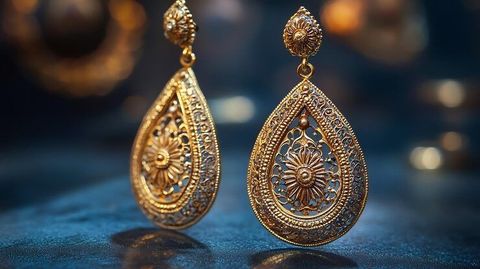
Historically, gemstones have been used in jewelry for thousands of years across cultures. Ancient civilizations valued colored stones for their symbolic meaning, rarity, and connection to traditions. Over time, engagement rings became widely associated with diamonds, but colored gemstones have continued to appear in various cultures and historical periods .
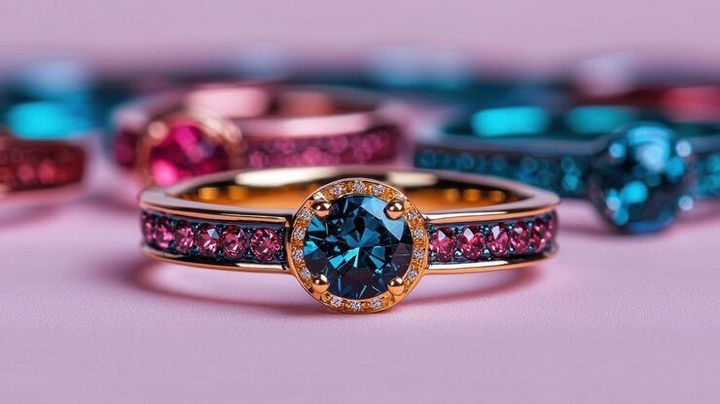
Colored gemstone engagement rings exist as an alternative design choice that highlights individuality, symbolism, and aesthetic variety. Instead of focusing on a colorless stone, these rings emphasize color, unique patterns, and distinctive gemstone characteristics.
Structure of a Colored Gemstone Engagement Ring
The structure of a colored gemstone engagement ring typically includes:
-
A central gemstone such as sapphire or emerald
-
A metal band made from gold, platinum, or other metals
-
Supporting stones or decorative elements
Some rings feature a single gemstone, while others incorporate halo designs, vintage settings, or multi-stone arrangements.
Traditional Meanings of Popular Gemstones
Different gemstones carry traditional meanings that contribute to their cultural significance.
| Gemstone | Traditional Meaning | Typical Color |
|---|
| Sapphire | Loyalty and wisdom | Blue |
| Emerald | Renewal and growth | Green |
| Ruby | Passion and strength | Red |
| Aquamarine | Calmness and clarity | Light blue |
| Morganite | Compassion and harmony | Pink |
Why Colored Gemstone Engagement Rings Matter Today
Colored gemstone engagement rings have gained increasing attention in modern jewelry discussions due to changing preferences and broader design possibilities. Consumers are increasingly exploring jewelry that reflects personal identity and values.
Key Reasons for Growing Popularity
Several factors explain their rising relevance:
-
Interest in personalized jewelry styles
-
Increased awareness of gemstone symbolism
-
Desire for distinctive engagement ring designs
-
Greater access to global gemstone markets
Modern consumers often choose gemstones that reflect emotional connections, cultural meanings, or personal taste.
Ethical and Aesthetic Considerations
Another reason for their importance is the growing discussion around ethical sourcing and transparency. Topics such as responsible mining, environmental impact, and traceability influence purchasing decisions.
Colored gemstones also offer aesthetic advantages:
-
They can complement different skin tones
-
They highlight intricate ring settings
-
They allow unique color combinations
Recent Developments and Trends in 2025
Recent developments have significantly influenced the colored gemstone engagement ring market. New technologies and design innovations continue to shape consumer preferences.
Emerging Trends
In 2025, several trends have been observed:
-
Increased use of lab-created colored gemstones
-
Popularity of non-traditional colors like teal, peach, and lavender
-
Growth of pastel and champagne tones
Design Innovations
Design trends from 2024–2025 include:
-
Minimalist gemstone settings
-
Vintage-inspired ring structures
-
Asymmetrical gemstone arrangements
-
Mixed-metal bands
Social media platforms have also contributed to spreading gemstone knowledge and influencing design preferences.
Technological Advancements
Modern gemology has adopted advanced tools such as spectroscopy and imaging technologies. These tools help determine gemstone authenticity, origin, and treatments.
Legal and Regulatory Considerations
Colored gemstone engagement rings are subject to various regulations and international standards. These frameworks ensure transparency and protect consumers.
Key Regulatory Organizations
Several organizations guide industry practices:
-
International Colored Gemstone Association (ICA)
-
World Jewellery Confederation (CIBJO)
-
Federal Trade Commission (FTC) jewelry guidelines
These organizations help ensure accurate gemstone labeling and prevent misleading claims.
Environmental and Ethical Regulations
Governments and global initiatives address responsible mining practices, including:
-
Worker safety standards
-
Land restoration requirements
-
Environmental protection measures
Conflict mineral reporting and ethical sourcing initiatives also play a significant role in modern jewelry production.
Tools and Resources for Learning About Gemstones
Various tools and platforms help individuals understand gemstone properties and engagement ring design. These resources support both beginners and professionals.
Common Educational Tools
Some widely used resources include:
-
Gemstone identification guides
-
Jewelry design software
-
Ring size measurement tools
-
Gemstone durability charts
-
Online gemology databases
Gemstone Durability Comparison
Durability is an important factor for engagement rings worn daily.
| Gemstone | Mohs Hardness | Durability Level |
|---|
| Diamond | 10 | Very high |
| Sapphire | 9 | High |
| Ruby | 9 | High |
| Emerald | 7.5–8 | Moderate |
| Morganite | 7.5–8 | Moderate |
Color Grading Factors
Gemologists evaluate gemstone appearance using:
These factors influence how gemstones look under different lighting conditions.
Common Questions About Colored Gemstone Engagement Rings
What gemstones are commonly used?
Popular choices include sapphires, emeralds, rubies, aquamarine, morganite, spinel, and tourmaline. Each gemstone offers unique colors and characteristics.
Are colored gemstones durable for daily wear?
Many gemstones such as sapphires and rubies are highly durable. Softer gemstones may require extra care and maintenance.
Do gemstones have symbolic meanings?
Yes, gemstones have long been associated with meanings like love, loyalty, wisdom, and protection.
Natural vs. Lab-Created Gemstones
Natural gemstones form over millions of years, while lab-created stones are produced using controlled scientific processes that replicate natural conditions.
How are gemstones graded?
Gemstones are graded based on color, clarity, cut, and size. Additional considerations include origin, treatments, and internal structure.
Additional Insights on Gemstone Selection
Selecting a colored gemstone involves evaluating multiple factors related to both aesthetics and durability. These considerations help ensure long-term satisfaction.
Key Selection Factors
Important aspects include:
-
Color intensity and saturation
-
Hardness and durability
-
Optical brilliance and transparency
-
Compatibility with ring settings
Understanding Inclusions
Many natural gemstones contain inclusions formed during their development. These inclusions can:
-
Affect visual appearance
-
Influence light reflection
-
Impact structural stability
However, inclusions can also help identify natural gemstones.
Common Gemstone Cuts
Different cutting styles influence how gemstones reflect light and display color:
-
Oval
-
Cushion
-
Emerald cut
-
Round brilliant
-
Pear shape
Conclusion
Colored gemstone engagement rings represent a diverse and evolving category of jewelry. They combine tradition, symbolism, and modern design innovation.
Advancements in gemstone technology, increased awareness of ethical sourcing, and changing design trends have expanded their popularity. As a result, these rings continue to play an important role in contemporary jewelry culture.
Understanding gemstone properties, durability, and symbolism allows individuals to make informed decisions. With growing resources and improved transparency, colored gemstone engagement rings remain a meaningful and versatile choice.