Colored Gemstone Engagement Rings Guide: Styles, Stone Choices, and Meaning Explained
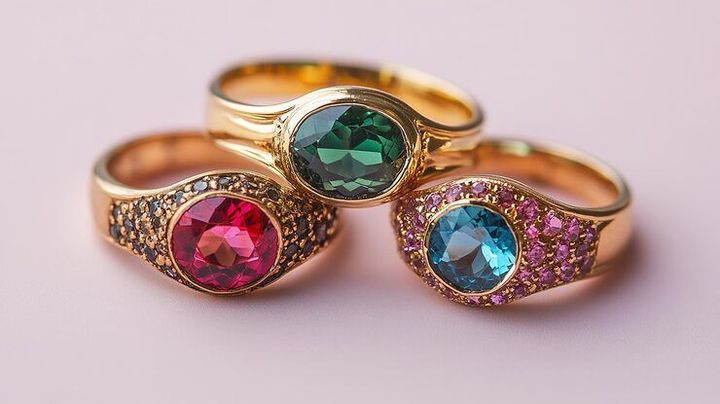
Colored gemstone engagement rings are rings that feature gemstones with natural color rather than a traditional colorless diamond center. These rings may include stones such as sapphire, emerald, ruby, morganite, aquamarine, or spinel. Historically, colored gemstones have been used in jewelry for thousands of years, long before diamonds became the most common engagement stone in the 20th century.
Different cultures have long associated gemstones with symbolism, traditions, and personal meaning. For example, sapphire represents loyalty and wisdom, emerald symbolizes renewal, and ruby reflects passion and vitality.
A colored gemstone engagement ring typically includes several key components. These elements influence both the appearance and durability of the ring.
Key Components of a Ring
- Center Gemstone: The main focal point of the ring
- Setting or Mount: Holds the gemstone securely
- Metal Band: Common options include gold, platinum, and white gold
- Accent Stones: Smaller stones that enhance the design
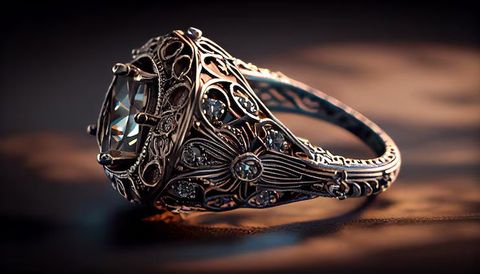
Settings such as solitaire, halo, bezel, and vintage-inspired designs contribute to the overall style. In recent years, these rings have gained popularity as alternatives to traditional diamond designs.
Why Colored Gemstone Engagement Rings Matter Today
Colored gemstone engagement rings offer greater personalization and design flexibility. They allow individuals to choose stones based on color, symbolism, and personal meaning.
Who It Affects
- Couples: Looking for unique engagement ring options
- Jewelry Designers: Creating customized and artistic designs
- Collectors: Exploring rare and valuable gemstones
- Enthusiasts: Interested in symbolic and cultural jewelry
One key factor is the wide variety of gemstone options available.
Common Gemstones and Properties
| Gemstone | Typical Color Range | Mohs Hardness |
|---|---|---|
| Sapphire | Blue, pink, yellow, green | 9 |
| Ruby | Deep red | 9 |
| Emerald | Rich green | 7.5–8 |
| Aquamarine | Light blue | 7.5–8 |
| Morganite | Peach or pink | 7.5–8 |
| Spinel | Red, purple, blue | 8 |
Durability is an important consideration. The Mohs hardness scale measures resistance to scratching, which is essential for everyday wear.
Colored gemstones also allow creative combinations of cuts, metals, and settings. Additionally, ethical sourcing and gemstone origin have become important factors for modern buyers.
Recent Trends and Developments in Colored Gemstone Jewelry
Recent trends (2024–2025) show growing interest in unique colors, modern technology, and ethical practices. These developments are shaping the future of gemstone engagement rings.
Key Trends
- Non-Traditional Sapphire Colors: Increased demand for pastel shades like teal, peach, and lavender
- Laboratory-Grown Gemstones: Rising popularity of lab-created sapphires and emeralds
- Vintage-Inspired Designs: Renewed interest in antique-style settings
- Mixed Gemstone Clusters: Combining multiple stones in one design
- Improved Cutting Techniques: Enhanced brilliance and color through precision cutting
- Digital Visualization Tools: Interactive platforms to preview ring designs
Celebrity influence and social media have also contributed to the popularity of unique gemstone choices.
Laws, Regulations, and Jewelry Industry Standards
Colored gemstone rings are governed by industry standards that ensure transparency and consumer protection. These guidelines help maintain trust in the jewelry market.
Key Regulatory Principles
- Accurate Labeling: Clear identification of gemstone type
- Treatment Disclosure: Information about enhancements or modifications
- Natural vs. Lab-Created Distinction: Proper classification of gemstones
- Certification Requirements: Verification by recognized laboratories
Organizations such as the World Jewellery Confederation (CIBJO) and the Gemological Institute of America provide guidelines for gemstone classification and reporting.
Common Gemstone Treatments
- Heat Treatment: Enhances color and clarity
- Oil or Resin Filling: Improves appearance of inclusions
- Surface Diffusion: Alters surface color
- Dyeing: Changes or enhances gemstone color
These treatments are widely used but must be disclosed according to industry standards.
Tools and Resources for Learning About Gemstones
Various tools and resources help individuals understand gemstone properties, durability, and design options. These resources support both education and purchasing decisions.
Useful Resources
- Gemological Institutes: Provide certification, research, and education
- Gemstone Guides: Offer identification and usage information
- Hardness Calculators: Help assess durability using the Mohs scale
- Ring Design Visualizers: Allow users to experiment with styles
- Color Comparison Charts: Show variations in gemstone colors
Sample Table: Gemstone Durability and Wear Suitability
| Gemstone | Hardness | Daily Wear Suitability |
|---|---|---|
| Sapphire | 9 | Excellent |
| Ruby | 9 | Excellent |
| Spinel | 8 | Very Good |
| Aquamarine | 7.5–8 | Good |
| Emerald | 7.5–8 | Moderate |
Understanding these factors helps in selecting gemstones suitable for long-term use.
Frequently Asked Questions
What gemstones are commonly used in colored engagement rings?
Popular choices include sapphire, ruby, emerald, aquamarine, spinel, morganite, and tourmaline. Each offers unique colors and durability levels.
Are colored gemstones durable for everyday wear?
Some gemstones, such as sapphire and ruby, are highly durable. Others may require careful handling depending on their hardness and structure.
Do gemstones occur in many natural colors?
Yes, gemstones naturally appear in a wide range of colors. Variations depend on chemical composition and trace elements.
Why are gemstone treatments used?
Treatments enhance color and clarity. Industry standards require full disclosure of any treatments applied.
How are gemstones evaluated?
Laboratories use advanced tools such as microscopes and spectroscopy. Reports include details on color, clarity, cut, and treatments.
Conclusion
Colored gemstone engagement rings combine tradition, symbolism, and modern design. They offer a wide range of choices in terms of color, style, and meaning.
With growing awareness of ethical sourcing, gemstone education, and advanced design tools, these rings continue to evolve. Industry standards ensure transparency and trust in gemstone identification.
As interest in unique and personalized jewelry increases, colored gemstone engagement rings remain a meaningful and versatile option for modern buyers.