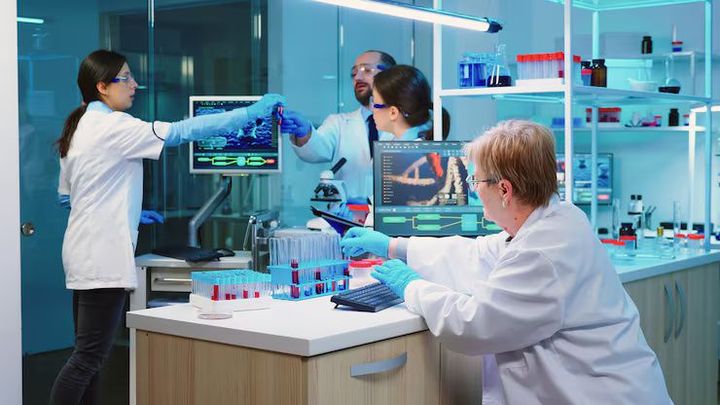
Complete Guide to Biotech Companies: Knowledge, Facts and Details
Biotech companies play an important role in improving healthcare, agriculture, environmental science, and industrial research.
They use biology, genetics, and advanced laboratory techniques to develop new medicines, diagnostic tools, sustainable farming solutions, and innovative manufacturing methods. As biotechnology continues to evolve, it influences many industries around the world.
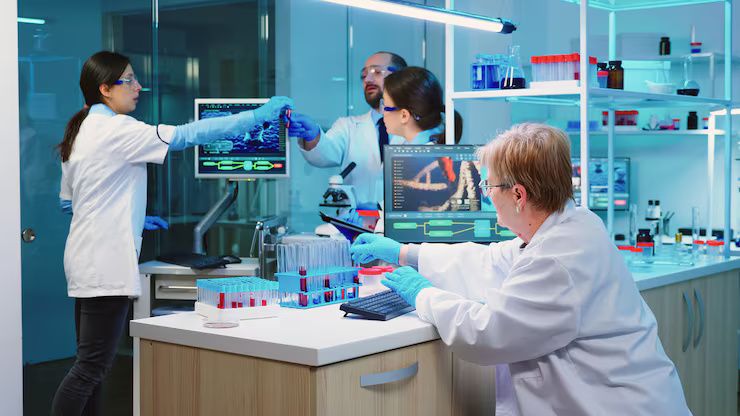
This guide explains biotech companies, their purpose, importance, recent developments, regulations, and useful resources. Whether you are a student, researcher, investor, or simply interested in biotechnology, understanding this field provides valuable knowledge about one of today's fastest-growing scientific sectors.
Context
Biotech companies are organizations that research, develop, and apply biological science to solve practical problems. Their work combines biology with technology to create products and processes that improve health, agriculture, food production, and environmental sustainability.
Modern biotechnology began to expand rapidly during the late twentieth century with advances in molecular biology and genetic engineering. Today, biotech companies work alongside universities, research institutions, healthcare organizations, and manufacturing industries to develop scientific innovations.
Common areas where biotech companies operate include:
- Human health and medicines
- Vaccines and diagnostics
- Agricultural biotechnology
- Industrial biotechnology
- Environmental biotechnology
- Gene and cell research
- Precision medicine
Types of Biotech Companies
| Type | Primary Focus | Common Applications |
|---|---|---|
| Medical Biotechnology | Human health | Medicines, vaccines, diagnostics |
| Agricultural Biotechnology | Farming | Improved crops, disease resistance |
| Industrial Biotechnology | Manufacturing | Bio-based materials, enzymes |
| Environmental Biotechnology | Sustainability | Waste treatment, pollution control |
| Marine Biotechnology | Ocean research | Marine compounds, pharmaceuticals |
Biotech companies often spend years conducting laboratory research, clinical studies where applicable, regulatory reviews, and quality testing before new technologies become widely available.
Importance
Biotech companies influence many aspects of modern life. Their research helps improve disease prevention, supports food security, and contributes to cleaner industrial processes.
Healthcare is one of the most recognized biotechnology sectors. Researchers develop treatments for rare diseases, cancer, infectious diseases, and genetic conditions using advanced biological methods.
Agriculture also benefits from biotechnology. Scientists develop crops with improved resistance to pests, changing climates, and plant diseases while supporting sustainable farming practices.
Industrial biotechnology helps reduce environmental impact by using biological processes instead of traditional chemical methods in selected manufacturing activities.
People and industries affected include:
- Patients and healthcare professionals
- Farmers and agricultural researchers
- Universities and research laboratories
- Pharmaceutical manufacturers
- Food producers
- Environmental organizations
- Government regulatory agencies
Benefits of Biotechnology
Some important advantages include:
- Supports scientific innovation
- Encourages medical research
- Improves agricultural productivity
- Promotes sustainable manufacturing
- Helps develop advanced diagnostic technologies
- Contributes to environmental conservation
Although biotechnology creates many opportunities, research requires careful scientific evaluation, regulatory oversight, and ongoing monitoring to ensure safety and effectiveness.
Recent Updates
Between 2024 and 2026, biotech companies have continued to expand research across several important areas. Artificial intelligence has become increasingly useful for analyzing biological data, identifying research targets, and accelerating laboratory workflows.
Gene editing technologies continue to receive significant attention. Researchers are improving techniques that may help study inherited diseases while maintaining strict ethical and regulatory standards.
Personalized medicine has also advanced. Scientists increasingly analyze genetic information to understand how individuals may respond differently to certain therapies and medical treatments.
Other important developments include:
- Greater use of artificial intelligence in biotechnology research
- Expansion of cell and gene therapy studies
- Increased investment in rare disease research
- Improved laboratory automation
- Growth of precision medicine programs
- Stronger focus on sustainable biotechnology
- Expanded collaboration between research institutions and biotech companies
Environmental biotechnology has also received greater attention. Researchers are developing biological solutions that may improve waste management, reduce industrial emissions, and support renewable materials.
Digital technologies, cloud computing, and advanced laboratory equipment continue to improve research efficiency while supporting collaboration between scientists across different countries.
Laws or Policies
Biotech companies operate under strict legal and regulatory frameworks designed to protect public health, research integrity, and environmental safety. Regulations vary between countries, but several common principles apply globally.
Before many biotechnology products reach the public, researchers typically conduct laboratory testing, quality assessments, and regulatory evaluations according to applicable national requirements.
Important regulatory areas include:
- Clinical research oversight
- Laboratory safety standards
- Manufacturing quality requirements
- Environmental protection regulations
- Data privacy requirements
- Ethical review of research involving humans or animals
- Intellectual property protection
Different regions maintain their own regulatory authorities responsible for reviewing biotechnology products and research activities.
Examples include:
- United States Food and Drug Administration (FDA)
- European Medicines Agency (EMA)
- UK Medicines and Healthcare products Regulatory Agency (MHRA)
- Central Drugs Standard Control Organization (CDSCO) in India
Agricultural biotechnology may also be reviewed by environmental and agricultural authorities before certain products are approved for commercial use.
International organizations encourage cooperation by promoting scientific standards, biosafety principles, and ethical research practices.
Tools and Resources
Several educational resources help people understand biotechnology, scientific research, regulations, and industry developments.
Useful resources include:
- World Health Organization publications
- National Institutes of Health educational materials
- U.S. Food and Drug Administration guidance documents
- European Medicines Agency information portal
- Clinical trial registries
- University biotechnology departments
- Government science agencies
- Biotechnology industry publications
Helpful tools may include:
- Clinical trial databases
- Scientific publication libraries
- Biotechnology terminology glossaries
- Research paper databases
- Laboratory protocol templates
- Regulatory guidance documents
Students and researchers often use these resources to understand biotechnology concepts, follow scientific developments, and learn about current regulatory expectations.
FAQs
What are biotech companies?
Biotech companies use biology and technology to research and develop products or processes related to healthcare, agriculture, manufacturing, and environmental science.
How are biotech companies different from pharmaceutical companies?
Biotech companies primarily use living organisms, cells, or biological systems in research and development, while pharmaceutical companies may develop medicines through biological or chemical methods.
Why are biotech companies important?
They contribute to medical innovation, agricultural improvement, environmental sustainability, and scientific research that benefits many industries and communities.
What technologies do biotech companies commonly use?
Common technologies include genetic engineering, molecular biology, genomics, bioinformatics, cell culture, laboratory automation, and artificial intelligence for research analysis.
How are biotech products regulated?
Regulatory authorities evaluate research, safety, manufacturing quality, and effectiveness according to national laws before many biotechnology products become widely available.
Conclusion
Biotech companies continue to shape healthcare, agriculture, industrial innovation, and environmental sustainability through scientific research and technological advancement. Their work supports discoveries that improve understanding of biology and create practical solutions for global challenges.
As biotechnology evolves, continued collaboration among researchers, governments, educational institutions, and industry remains essential. Understanding biotech companies helps readers appreciate how biological science contributes to modern society while emphasizing the importance of responsible research, ethical standards, and regulatory oversight.
The coming years are expected to bring further progress in precision medicine, sustainable biotechnology, artificial intelligence, and advanced laboratory research. Staying informed through reliable scientific resources helps individuals better understand this rapidly changing field.