Complete Guide to Dental Implants: Procedure, Benefits, and Aftercare Tips
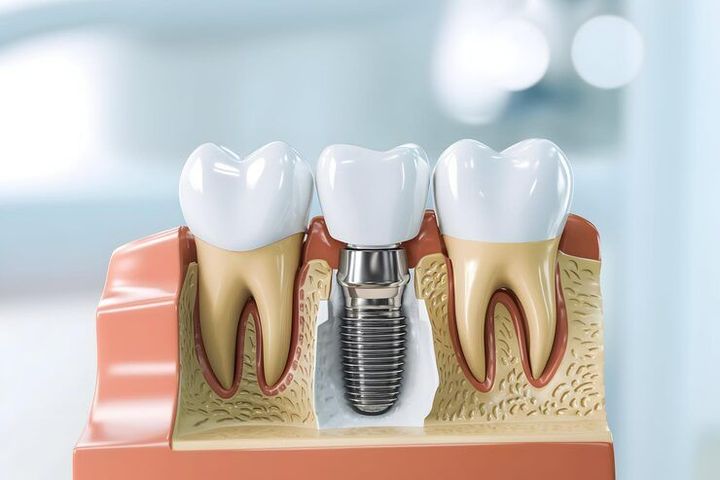
Dental implants are a modern solution used in restorative dentistry to replace missing teeth. They are small, biocompatible posts—usually made of titanium—that are placed into the jawbone to act as artificial tooth roots. Once integrated with the bone, they support crowns, bridges, or dentures.
Tooth loss can occur due to several reasons such as injury, decay, or gum-related conditions. Traditional solutions like dentures or bridges have been used for many years, but they may not always provide the same level of stability or long-term durability. Dental implants were developed to address these limitations by offering a more permanent and natural-looking option.
The concept behind dental implants is based on a process called osseointegration. This is where the implant fuses with the jawbone over time, creating a strong and stable foundation. Because of this integration, implants can mimic the function of natural teeth more closely than other methods.
In simple terms, dental implants exist to restore both function and appearance for individuals who have lost one or more teeth, helping improve chewing ability, speech clarity, and overall oral health.
Why Dental Implants Matter Today
Dental health plays a crucial role in overall well-being. Missing teeth are not just a cosmetic concern—they can lead to several complications if left untreated.
Some of the key reasons dental implants are important include:
- Improved oral function: They help restore normal chewing and speaking ability
- Bone preservation: Prevents bone loss in the jaw, which commonly occurs after tooth loss
- Enhanced appearance: Provides a natural look that blends with surrounding teeth
- Long-term stability: Offers a durable and fixed solution compared to removable alternatives
Dental implants are particularly relevant today due to increasing awareness of oral health and advancements in dental technology. People are seeking solutions that not only address immediate concerns but also support long-term dental structure.
They are commonly used by:
- Adults with missing teeth
- Individuals with damaged or decayed teeth that cannot be restored
- Patients seeking a stable alternative to removable dentures
Without proper treatment, missing teeth can lead to issues such as shifting of adjacent teeth, bite misalignment, and changes in facial structure. Dental implants help prevent these problems while maintaining overall dental alignment.
Recent Updates and Trends in Dental Implant Technology
Dental implant procedures have evolved significantly over the past year, with improvements focused on precision, comfort, and recovery time.
Some notable developments include:
- Digital implant planning (2025): Advanced imaging technologies like 3D cone beam scans allow dentists to plan procedures with greater accuracy
- Guided implant surgery: Computer-assisted tools help place implants more precisely, reducing surgical risks
- Immediate loading techniques: In select cases, temporary crowns can be placed shortly after implant insertion
- Biocompatible materials: New surface coatings enhance osseointegration and reduce healing time
- Minimally invasive procedures: Smaller incisions lead to faster recovery and less discomfort
Comparison of Traditional vs Modern Implant Techniques
| Feature | Traditional Approach | Modern Approach (2025) |
|---|---|---|
| Planning Method | Manual assessment | Digital 3D imaging |
| Surgery Type | Conventional surgery | Guided, minimally invasive |
| Healing Duration | Longer | Reduced healing time |
| Precision Level | Moderate | High accuracy |
| Patient Comfort | Standard | Improved comfort |
These advancements are making dental implants more accessible and predictable for a wider range of patients.
Regulations and Policies Related to Dental Implants
Dental implant procedures are regulated by health authorities to ensure patient safety and treatment quality. The specific guidelines vary by country, but most follow strict clinical and ethical standards.
In India, dental practices are governed by the Dental Council of India (DCI), which sets standards for dental education and professional conduct. Licensed dental practitioners must follow approved protocols when performing implant procedures.
Important regulatory aspects include:
- Certification requirements: Dentists must be qualified and trained in implantology
- Sterilization protocols: Clinics must maintain hygiene standards to prevent infection
- Material safety: Implants must meet medical-grade quality standards
- Patient consent: Clear communication about procedures and risks is required
Additionally, some government health programs and insurance frameworks may partially cover dental procedures depending on eligibility, though coverage for implants varies.
These regulations ensure that dental implant treatments are carried out safely, ethically, and with proper patient awareness.
Helpful Tools and Resources for Dental Implant Awareness
Understanding dental implants can be easier with the help of reliable tools and resources. These can assist individuals in learning about procedures, oral health, and treatment planning.
Some useful resources include:
- Dental health websites: Provide educational articles and treatment explanations
- 3D dental simulation tools: Help visualize implant placement and outcomes
- Oral hygiene tracking apps: Assist in maintaining daily dental care routines
- Medical consultation platforms: Allow users to understand procedures and ask general questions
- Dental anatomy charts and models: Useful for learning about tooth structure and implant positioning
Common Tools and Their Uses
| Tool Type | Purpose |
|---|---|
| Dental Imaging Software | Visualizes jawbone and implant placement |
| Oral Care Apps | Tracks brushing and dental habits |
| Educational Platforms | Explains procedures and oral health topics |
| Consultation Portals | Provides general dental guidance |
These resources can help individuals make informed decisions and better understand the dental implant process.
Frequently Asked Questions
What is the typical procedure for dental implants?
The process generally involves three stages: implant placement, healing (osseointegration), and attachment of the crown. The entire process may take several months depending on healing time.
Are dental implants suitable for everyone?
Not all individuals are ideal candidates. Factors such as bone density, oral health, and medical history play a role. A dental evaluation is necessary to determine suitability.
How long do dental implants last?
With proper oral hygiene and regular dental check-ups, implants can last many years. Their longevity depends on maintenance and overall health.
Is the procedure painful?
The procedure is typically performed under local anesthesia. Most patients report minimal discomfort during and after the process, which can be managed with standard care.
What aftercare is required for dental implants?
Aftercare includes maintaining oral hygiene, avoiding excessive pressure on the implant area during healing, and attending follow-up appointments.
Conclusion
Dental implants represent a significant advancement in modern dentistry, offering a reliable method for replacing missing teeth. By combining functionality with natural aesthetics, they help restore both oral health and confidence.
Understanding the procedure, its importance, and the available tools can help individuals make informed decisions. With ongoing advancements in technology and strict regulatory standards, dental implants continue to evolve as a safe and effective option in restorative dental care.
Maintaining proper oral hygiene and staying informed about dental health practices are essential steps in ensuring long-term success and overall well-being.