Complete Guide to Manufacturing Equipment Used in Modern Manufacturing Facilities
Modern manufacturing facilities are responsible for producing everything from consumer products and industrial components to medical devices and construction materials.
Behind these operations is a wide range of manufacturing equipment designed to transform raw materials into finished products efficiently and consistently. As production requirements become more complex, equipment plays an increasingly important role in maintaining productivity, quality, and operational performance.
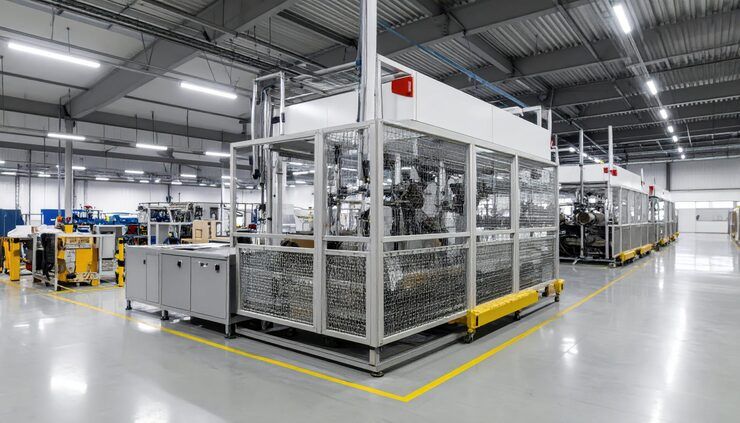
Manufacturing equipment has evolved significantly over the years. Traditional machines that relied heavily on manual operation are now often integrated with automation systems, digital monitoring technologies, and advanced control solutions. These developments allow manufacturers to improve efficiency while adapting to changing production demands.
What really matters is not simply the presence of machinery on a factory floor. The ability of manufacturing equipment to work together as part of an organized production system often determines how effectively a facility can achieve its operational goals.
This guide explores the fundamentals of manufacturing equipment, explains its role in modern facilities, highlights common equipment categories, and examines future trends shaping industrial production environments.
Understanding Manufacturing Equipment
Manufacturing equipment refers to the machines, tools, systems, and devices used to produce, process, assemble, package, and handle products within industrial environments.
These systems perform specific tasks that support production activities. Some equipment shapes raw materials, while others move products through production lines, inspect quality, or assist with packaging and storage.
This matters because manufacturing operations depend on equipment reliability and performance to maintain consistent output and product quality.
A practical example is a factory producing electronic components where specialized machines handle assembly, testing, and packaging operations throughout the production process.
Why Manufacturing Equipment Is Important
Manufacturing facilities rely on equipment to achieve efficiency, consistency, and scalability.
Without suitable equipment, production processes would become slower, more labor-intensive, and less predictable. Modern machinery helps manufacturers manage large production volumes while maintaining quality standards and operational stability.
The real difference appears when equipment is integrated into a coordinated production system that supports smooth workflow and efficient resource utilization.
A real-world example is an automotive production facility where multiple machines operate together to manufacture thousands of components with consistent precision.
How Manufacturing Equipment Supports Production Systems
Manufacturing equipment operates as part of a broader production ecosystem.
Raw materials enter the production process and move through various stages where machines perform specific operations. Equipment may cut, shape, assemble, inspect, transport, or package products before they reach the final production stage.
This coordinated approach matters because production efficiency often depends on the interaction between multiple systems rather than the performance of a single machine.
A practical example is a packaging facility where conveyors, filling equipment, inspection systems, and packaging machines work together to complete the production cycle.
Major Categories of Manufacturing Equipment
Manufacturing facilities use different types of equipment depending on production requirements.
Processing Equipment
Processing machines transform raw materials into forms suitable for production. These systems are commonly used in industries such as food processing, chemicals, plastics, and metals.
Fabrication Equipment
Fabrication equipment shapes, cuts, forms, and modifies materials into specific components or products.
Assembly Equipment
Assembly systems combine individual parts into completed products while supporting consistency and efficiency.
Material Handling Equipment
Material handling systems move products and materials throughout manufacturing facilities to support workflow and organization.
Each category serves a unique purpose within the overall manufacturing process.
Common Manufacturing Equipment Found in Modern Facilities
Many industrial facilities rely on a combination of equipment types to support production activities.
Conveyor systems help transport materials and products between workstations.
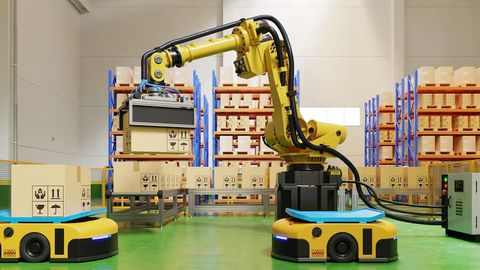
Industrial robots assist with repetitive operations such as assembly, handling, and inspection.
Packaging equipment prepares finished products for storage and distribution.
Inspection systems help monitor quality and identify production variations.
Common manufacturing equipment includes:
- Conveyor systems
- Industrial robots
- Packaging equipment
- Inspection systems
Together, these technologies contribute to efficient and organized production operations.
The Role of Automation in Manufacturing Equipment
Automation has become a major influence on modern manufacturing facilities.
Automated equipment can perform repetitive tasks with high levels of consistency while supporting productivity improvements. Automation systems also help manufacturers manage complex production processes more effectively.
This matters because production environments increasingly require flexibility, accuracy, and operational efficiency.
A practical example is an automated assembly line where robots, sensors, and control systems coordinate activities with minimal manual intervention.
The real difference appears when automation technologies improve workflow visibility while supporting long-term operational performance.
Benefits of Modern Manufacturing Equipment
Modern manufacturing equipment offers several important advantages for industrial facilities.
One key benefit is improved productivity. Advanced machinery can perform tasks more efficiently while maintaining consistent production rates.
Another advantage is enhanced quality control. Many systems incorporate monitoring technologies that help identify variations and maintain production standards.
Operational efficiency also improves because equipment can streamline workflows and reduce process bottlenecks.
A real-world example is a manufacturing facility using automated inspection systems to maintain product consistency throughout production.
Challenges Associated with Manufacturing Equipment
Despite its advantages, manufacturing equipment also presents certain challenges.
Maintenance requirements must be managed carefully to ensure equipment reliability and reduce operational interruptions.
Technology integration can become complex when multiple systems need to communicate and operate together.
Workforce training is another important consideration because employees must understand equipment capabilities and operational procedures.
A practical example is a facility introducing new automation technologies that require updated operational skills and maintenance practices.
Understanding these challenges helps organizations maximize equipment performance and operational effectiveness.
Manufacturing Equipment Compared by Function
| Equipment Category | Primary Function | Manufacturing Role |
|---|---|---|
| Processing Equipment | Material Transformation | Product Preparation |
| Fabrication Equipment | Material Shaping | Component Production |
| Assembly Equipment | Product Assembly | Final Product Creation |
| Material Handling Equipment | Product Movement | Workflow Support |
| Inspection Equipment | Quality Verification | Process Monitoring |
The real difference appears when these equipment categories operate together within a coordinated production environment.
Decision Guide for Understanding Manufacturing Equipment
Evaluating manufacturing equipment depends on several practical factors.
Production objectives are often the starting point because different facilities require different equipment capabilities.
Production volume should also be considered since operational requirements vary between small-scale and large-scale manufacturing environments.
Automation needs influence equipment selection and integration strategies as well.
A practical example is comparing a custom manufacturing operation with a high-volume production facility. Although both use manufacturing equipment, their workflow requirements and operational priorities often differ.
In many cases, the real difference appears when equipment capabilities align with production goals and facility requirements.
Real-World Applications Across Industries
Manufacturing equipment supports a wide range of industrial sectors.
Automotive manufacturers use specialized machinery for component production and vehicle assembly.
Food processing facilities rely on equipment to prepare, package, and monitor products efficiently.
Electronics manufacturers use precision equipment for assembly and testing operations.
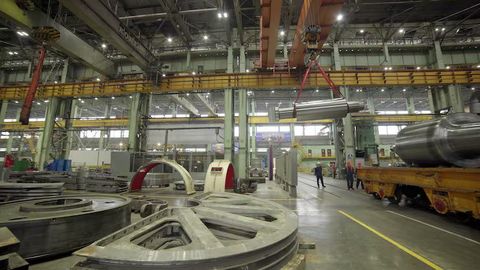
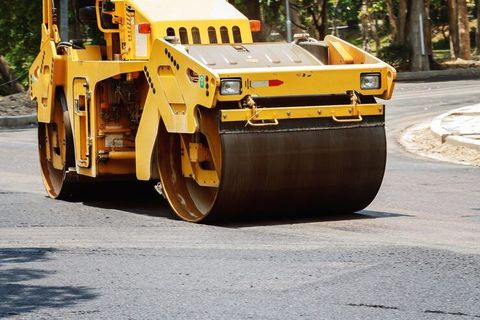
Construction material producers depend on heavy-duty machinery to process and handle industrial materials.
These applications demonstrate the broad importance of manufacturing equipment across modern industry.
Future Trends in Manufacturing Equipment
Manufacturing technology continues evolving through advances in automation, connectivity, and data-driven decision-making.
Smart manufacturing systems are providing greater visibility into equipment performance and production processes.
Artificial intelligence is beginning to support predictive maintenance, process optimization, and operational analysis.
Connected devices and industrial networks are improving communication between machines and production systems.
Advanced robotics continue expanding the capabilities of automated manufacturing environments.
What really matters is how these technologies help manufacturing equipment become more intelligent, efficient, and adaptable to changing production demands.
FAQ
1. What is manufacturing equipment?
Manufacturing equipment includes machines, tools, and systems used to produce, process, assemble, and handle products within industrial facilities.
2. Why is manufacturing equipment important?
It supports production efficiency, product quality, operational consistency, and manufacturing scalability.
3. What are the main categories of manufacturing equipment?
Processing equipment, fabrication equipment, assembly equipment, material handling systems, and inspection equipment are common categories.
4. How does automation affect manufacturing equipment?
Automation improves efficiency, consistency, workflow management, and production visibility.
5. What industries rely on manufacturing equipment?
Automotive, food processing, electronics, construction materials, and many other industries depend on manufacturing equipment.
Conclusion
Manufacturing equipment serves as the foundation of modern production facilities by supporting material processing, assembly, transportation, inspection, and automation activities. These systems help manufacturers achieve operational efficiency while maintaining product quality and production consistency.
As technology continues advancing through automation, artificial intelligence, and connected industrial systems, manufacturing equipment is becoming increasingly sophisticated and capable of supporting complex production environments. Understanding the role of manufacturing equipment provides valuable insight into how modern facilities maintain productivity and adapt to the evolving demands of industrial manufacturing.