Complete Guide to Metal Roll Forming Machine Components and Working Principles
Modern manufacturing depends on precision equipment that delivers consistent production with minimal variation across continuous operations.
Understanding Roll Forming Machine Components helps engineers, production managers, and technical teams improve planning, maintenance, and operational efficiency. This guide explains major assemblies and practical working principles used throughout industrial environments.
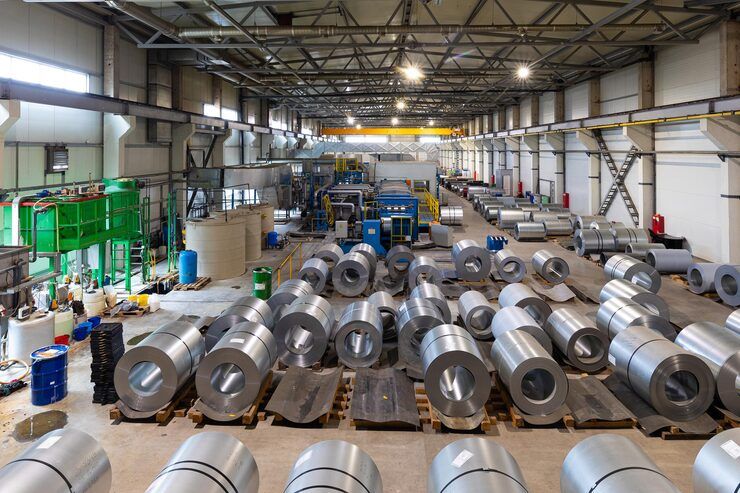
A structured understanding of Industrial Roll Forming Systems supports informed engineering decisions and strengthens quality management across fabrication facilities. Every production stage relies on accurate alignment, controlled material movement, and synchronized mechanical operations that maintain dimensional consistency while reducing unnecessary interruptions throughout manufacturing processes.
Industrial organizations continue adopting automated forming technologies because they improve workflow stability, repeatability, and production management across different applications. This editorial examines machine architecture, processing stages, operational frameworks, maintenance priorities, and technical considerations that influence long-term equipment reliability and manufacturing performance.
Core Components
Every roll forming machine consists of integrated mechanical, electrical, and control assemblies working together as one coordinated production framework. Each component contributes to material stability, forming accuracy, operational continuity, and production consistency. Proper evaluation of these assemblies improves equipment reliability and manufacturing effectiveness across industrial facilities.
Material Feeding
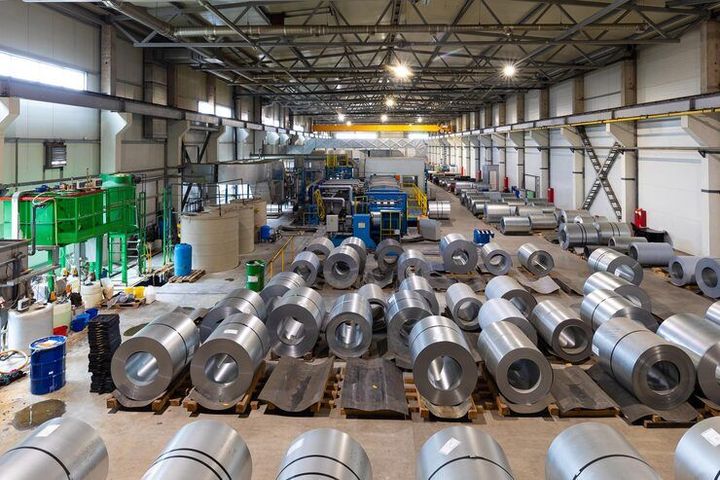
• Decoiler supports continuous metal strip unwinding.
• Entry guides maintain accurate strip alignment.
• Straightening rollers reduce initial material distortion.
• Feeding assemblies regulate consistent material movement.
Forming Station
• Sequential roller sets create progressive material profiles.
• Precision shafts support stable roller positioning.
• Bearing systems minimize rotational resistance.
• Adjustable spacers accommodate different profile dimensions.
Control System
• PLC controllers coordinate synchronized machine operations.
• Sensor networks monitor production accuracy continuously.
• Drive motors regulate forming speed precisely.
• Safety interlocks protect operators and equipment integrity.
Reliable interaction between these assemblies ensures continuous production with consistent dimensional accuracy and operational stability. Regular inspection, preventive maintenance, and systematic Metal Roll Forming Machine Evaluation strengthen long-term equipment performance while supporting efficient manufacturing management across diverse industrial applications.
Working Process
The production sequence begins when prepared metal strip enters the feeding section where alignment mechanisms position the material accurately before forming begins. Controlled movement through successive roller stations gradually transforms flat material into the required profile without excessive deformation or instability during processing.
Each forming station contributes a small geometric modification rather than attempting complete shaping in a single stage. This progressive methodology distributes mechanical forces evenly, improves dimensional consistency, reduces unnecessary stress, and supports efficient manufacturing pathways suitable for continuous industrial production environments.
After profile formation, secondary operations such as punching, cutting, embossing, or measurement may occur depending on production requirements. Integrated automation, monitoring systems, and Roll Forming Equipment Solutions enable synchronized workflow management while supporting consistent output quality and comprehensive operational documentation.
Performance Factors
Machine performance depends on roller design, shaft rigidity, material characteristics, lubrication management, and alignment precision throughout the production framework. Even minor deviations may influence profile accuracy, production consistency, and equipment reliability, making regular inspection an essential engineering practice for manufacturing organizations.
Material thickness, tensile properties, coating characteristics, and forming complexity directly affect operational planning and equipment configuration. Engineers evaluate these variables carefully to establish appropriate production parameters while maintaining dimensional stability and reducing unnecessary mechanical loading throughout continuous manufacturing operations.
Maintenance strategies emphasize bearing inspection, roller cleaning, lubrication scheduling, electrical verification, and calibration of automated control systems. Organizations implementing structured Roll Forming Technology Framework practices typically experience improved operational continuity, enhanced production consistency, stronger quality assurance, and greater long-term equipment dependability.
Frequently Asked Questions
1. What is a metal roll forming machine?
It is industrial equipment that continuously shapes metal strip into precise profiles through multiple roller stations.
2. Why are multiple roller stations required?
Each station performs gradual forming, improving dimensional accuracy while reducing mechanical stress.
3. Which materials are commonly processed?
Steel, stainless steel, aluminum, galvanized steel, and other formable metal strips are frequently used.
4. How important is preventive maintenance?
Routine inspection and maintenance improve equipment reliability, production consistency, and operational safety.
5. Where are roll forming machines commonly applied?
They are widely used in construction, automotive, infrastructure, appliance, storage, and industrial manufacturing sectors.
Conclusion
Metal roll forming machines combine precision mechanics, automation, and progressive forming principles to produce consistent industrial profiles efficiently. Understanding machine architecture, operational pathways, maintenance practices, and Industrial Roll Forming Systems enables stronger engineering decisions and improved manufacturing management. A structured technical approach supports long-term equipment reliability, production quality, and sustainable operational performance across modern industrial environments.