Cosmetics and Personal Care: Trends and Beauty Insights
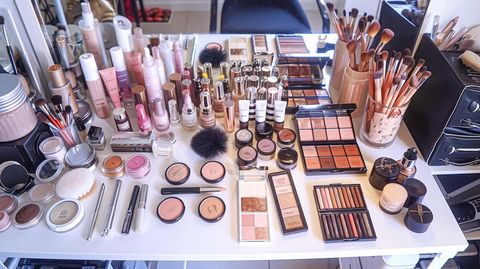
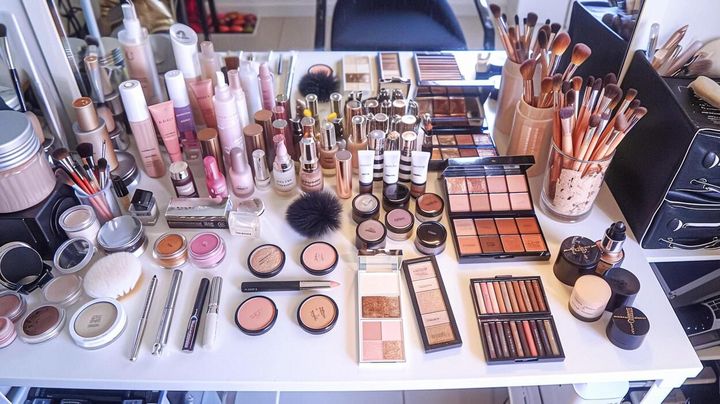
Cosmetics and personal care products are items used to maintain hygiene, improve appearance, and support everyday grooming routines. These products include skincare items, hair care products, oral care solutions, fragrances, makeup products, and personal hygiene essentials.
The concept of personal care has existed for thousands of years. Ancient civilizations used natural ingredients such as oils, herbs, minerals, and plant extracts to care for their skin and hair. Over time, scientific advancements led to the development of modern cosmetic formulations designed to meet different consumer needs.
Today, the cosmetics and personal care industry combines scientific research, dermatological knowledge, and consumer preferences to create products that support daily wellness and self-care. The industry continues to evolve as people seek products that align with their lifestyles, environmental concerns, and skin health goals.
Common Categories of Cosmetics and Personal Care Products
| Category | Examples | Primary Purpose |
|---|---|---|
| Skincare | Cleansers, moisturizers, serums | Maintain skin health |
| Hair Care | Shampoos, conditioners, oils | Support hair cleanliness and appearance |
| Oral Care | Toothpaste, mouthwash | Promote dental hygiene |
| Personal Hygiene | Soaps, deodorants | Maintain cleanliness |
| Makeup | Foundation, lipstick, mascara | Enhance appearance |
| Fragrance | Perfumes, body mists | Provide pleasant scent |
Why Cosmetics and Personal Care Matter Today
Personal care products play a significant role in daily life. They help people maintain hygiene, manage specific skin or hair concerns, and support overall confidence.
Modern lifestyles expose individuals to pollution, changing weather conditions, stress, and environmental factors that can affect skin and hair health. As a result, people increasingly rely on suitable personal care routines to protect and maintain their appearance and well-being.
Key Benefits of Cosmetics and Personal Care
• Support personal hygiene and cleanliness
• Help protect skin from environmental factors
• Improve comfort and self-confidence
• Assist in managing dryness, oiliness, or sensitivity
• Encourage healthy grooming habits
• Contribute to professional and social presentation
The importance of personal care extends beyond beauty. Proper skincare, oral care, and hygiene practices contribute to overall health awareness and preventive wellness habits.
Who Is Affected?
Cosmetics and personal care products impact nearly every age group, including:
• Teenagers managing changing skin conditions
• Adults maintaining daily grooming routines
• Older individuals focusing on skin hydration and care
• People with sensitive skin or specific personal care needs
Major Concerns Addressed by Personal Care Products
| Concern | Common Product Types |
|---|---|
| Dry Skin | Moisturizers, hydrating cleansers |
| Oily Skin | Oil-control cleansers |
| Hair Damage | Repair-focused conditioners |
| Oral Hygiene | Toothpaste and mouth rinses |
| Body Odor | Deodorants and hygiene products |
| Sun Exposure | Sun protection products |
Recent Updates and Trends in Cosmetics and Personal Care
The cosmetics and personal care sector has experienced notable developments throughout 2025 and early 2026. Consumer awareness, sustainability goals, and technological innovation continue to shape market trends.
Growing Interest in Sustainable Products
During 2025, many manufacturers increased their focus on environmentally responsible packaging and ingredient sourcing. Consumers are showing greater interest in products that reduce waste and support sustainable production practices.
Rise of Personalized Beauty
Advancements in digital technology have contributed to personalized skincare and beauty recommendations. Many platforms now use skin assessments and data-driven analysis to suggest products suited to individual concerns.
Increased Focus on Skin Barrier Health
One of the most discussed skincare topics during 2025 was skin barrier protection. Consumers have become more interested in ingredients that help maintain moisture and support healthy skin function.
Demand for Ingredient Transparency
People increasingly want to understand what ingredients are included in their personal care products. Clear labeling and educational information have become important factors in product selection.
Beauty Trend Popularity Overview
| Trend | Popularity Growth |
|---|---|
| Sustainable Packaging | High |
| Personalized Beauty | High |
| Skin Barrier Care | Very High |
| Ingredient Transparency | High |
| Simplified Beauty Routines | Moderate |
| Wellness-Focused Products | High |
Simplified Beauty Routines
Another trend gaining attention is the preference for fewer products with multiple functions. Consumers often seek routines that are efficient and easier to maintain.
Laws and Policies Affecting Cosmetics and Personal Care
Cosmetics and personal care products are subject to regulations designed to protect consumer safety and ensure product quality.
Different countries have their own regulatory frameworks that govern product manufacturing, ingredient usage, labeling requirements, and safety assessments.
Key Regulatory Areas
Product Safety Standards
Manufacturers must ensure products meet established safety requirements before reaching consumers. Safety evaluations help identify potential risks associated with ingredients and formulations.
Labeling Requirements
Regulations typically require product labels to include information such as:
• Ingredient lists
• Usage instructions
• Manufacturing details
• Expiration or shelf-life information where applicable
Claims and Advertising Rules
Advertising regulations often prohibit misleading statements regarding product performance. Companies must ensure claims are supported by appropriate evidence.
Environmental Compliance
Many governments are introducing policies aimed at reducing packaging waste and encouraging sustainable manufacturing practices.
Example Regulatory Focus Areas
| Policy Area | Purpose |
|---|---|
| Consumer Safety | Protect public health |
| Ingredient Monitoring | Ensure safe formulations |
| Label Transparency | Improve consumer awareness |
| Advertising Compliance | Prevent misleading claims |
| Environmental Standards | Support sustainability goals |
As regulations evolve, manufacturers continue adapting their products and packaging to meet changing legal requirements and consumer expectations.
Helpful Tools and Resources for Personal Care Knowledge
Many educational resources can help consumers make informed decisions regarding cosmetics and personal care products.
Ingredient Analysis Tools
These resources help users understand the purpose and function of common cosmetic ingredients.
Skin Type Assessment Tools
Digital questionnaires and assessment tools can help individuals identify whether their skin is dry, oily, combination, or sensitive.
Product Comparison Templates
Comparison charts allow users to evaluate ingredients, intended use, and product features more effectively.
Beauty Routine Planners
Routine planning templates can help organize morning and evening skincare practices.
Educational Learning Resources
Useful educational materials may include:
• Beauty science guides
• Dermatology learning resources
• Cosmetic ingredient glossaries
• Personal care research publications
• Consumer awareness materials
Personal Care Decision Framework
| Step | Purpose |
|---|---|
| Identify Needs | Understand personal concerns |
| Learn About Ingredients | Improve product knowledge |
| Check Labels | Review information carefully |
| Follow Instructions | Use products correctly |
| Monitor Results | Observe individual response |
These resources support informed decision-making without relying solely on marketing claims.
Frequently Asked Questions
What is the difference between cosmetics and personal care products?
Cosmetics are generally used to enhance appearance, while personal care products focus on hygiene, grooming, and everyday wellness. Some products may fall into both categories.
Why is ingredient transparency important?
Ingredient transparency helps consumers understand what they are applying to their skin or hair and allows them to make informed decisions based on personal preferences and sensitivities.
Are natural ingredients always better?
Not necessarily. Both natural and synthetic ingredients can be safe and effective when properly tested and formulated. Safety and suitability depend on the specific ingredient and its intended use.
How often should personal care routines be updated?
Routines may change depending on age, seasonal conditions, lifestyle changes, and evolving skin or hair needs. Regular evaluation can help maintain effectiveness.
Why are regulations important in the cosmetics industry?
Regulations help ensure products meet safety standards, provide accurate labeling, and avoid misleading claims. They contribute to consumer protection and product quality.
Conclusion
Cosmetics and personal care products have become an essential part of modern daily life. From skincare and hygiene to beauty enhancement and wellness, these products serve many practical purposes. Growing consumer awareness, advances in research, and evolving regulations continue to shape the industry.