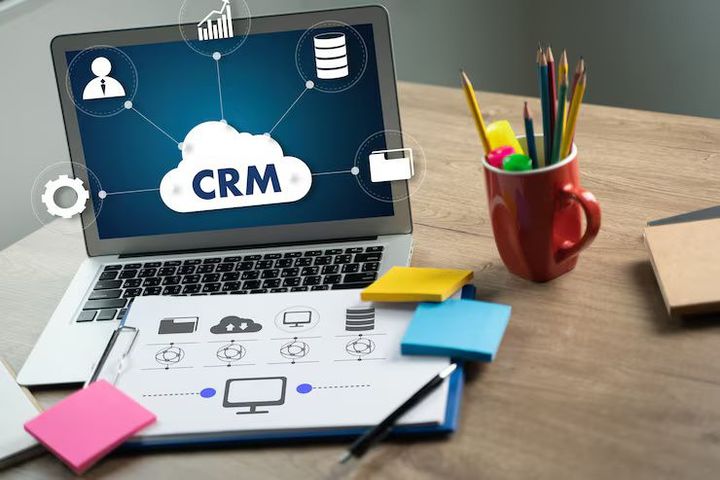
CRM Tools Overview: Essential Information for Modern Businesses
Customer Relationship Management (CRM) tools are digital systems designed to organize, store, and analyze interactions between organizations and their customers. They bring customer data management, communication history, and workflow tracking into one structured environment.
CRM tools developed as businesses moved from paper records and spreadsheets to centralized digital systems. As customer interactions expanded across multiple channels, managing consistent and accurate information became more complex.
These platforms provide a single source of customer data, combining contact records, interaction history, task tracking, and reporting dashboards. Many CRM systems also integrate with marketing, accounting, and analytics tools.
Importance: Why CRM Tools Matter Today
Growing Data Complexity
Organizations now manage large volumes of customer data from digital channels. CRM tools help structure this data and make it usable.
Communication and Accuracy
Timely and accurate communication is essential. CRM systems help maintain consistent records and reduce missed interactions.
Compliance Requirements
Data protection regulations require secure handling of personal information. CRM tools support compliance through structured data management.
Data-Driven Decisions
Businesses increasingly rely on analytics to guide decisions. CRM dashboards provide insights into customer behavior and performance metrics.
Problems CRM Tools Solve
CRM systems address several operational challenges:
- Fragmented customer data across departments
- Limited visibility into customer behavior
- Manual tracking of leads and interactions
- Difficulty measuring performance
Centralized systems improve efficiency, accountability, and long-term relationship management.
Recent Updates: Trends and Changes (2024–2025)
AI-Assisted Analytics
Many CRM platforms now use AI to summarize interactions, forecast sales pipelines, and identify patterns in customer behavior.
Improved Data Integration
CRM systems increasingly connect with enterprise tools to reduce data silos and improve consistency.
Privacy-Focused Enhancements
New features include better consent tracking and stricter access controls in response to evolving data protection laws.
Low-Code Customization
Visual workflow builders allow teams to customize CRM processes without advanced technical skills.
These trends highlight a shift toward automation, compliance, and usability.
Laws and Policies: Regulatory Impact
Key Regulations in India
CRM tools must comply with:
- Digital Personal Data Protection Act, 2023
- Information Technology Act, 2000
Compliance Features in CRM Systems
Modern CRM platforms include:
- Consent management tools
- Role-based access controls
- Audit logs and reporting
- Data retention and deletion workflows
These features help organizations meet legal requirements and manage customer data responsibly.
Tools and Resources
Popular CRM Platforms
- Salesforce – Enterprise-scale CRM with advanced analytics
- HubSpot – User-friendly CRM with integrated tools
- Zoho CRM – Flexible and customizable platform
- Microsoft Dynamics 365 – Integrated with productivity and analytics tools
Supporting Resources
- CRM data model templates
- Customer lifecycle mapping tools
- Vendor documentation and certification programs
- Data privacy assessment checklists
Core CRM Components
| Component | Purpose | Typical Data Included |
|---|---|---|
| Contact Records | Centralized customer profiles | Names, contact details |
| Interaction Logs | Activity history | Emails, calls, meetings |
| Workflow Tracking | Task management | Status, reminders |
| Analytics Dashboards | Performance insights | Trends, summaries |
These components form the foundation of most CRM systems.
FAQs
What is the main purpose of a CRM tool?
A CRM tool organizes customer data and interaction history in one system to improve communication and record accuracy.
Who uses CRM systems?
They are used by customer-facing teams, managers, analysts, and administrators across many industries.
Are CRM tools only for large companies?
No, CRM systems are scalable and used by organizations of all sizes.
How do CRM tools improve data accuracy?
They centralize records, apply validation rules, and maintain audit trails to reduce duplication and errors.
Do CRM tools support regulatory compliance?
Yes, they include features such as consent tracking and access control to help meet data protection requirements.
Conclusion
CRM tools are essential for managing customer information in modern digital environments. They provide structure, visibility, and accountability across multiple communication channels.
Advancements in automation, data integration, and privacy features continue to shape CRM systems. Regulatory frameworks further emphasize the importance of secure and compliant data handling.
Understanding CRM tools, their features, and regulatory context helps organizations manage customer relationships effectively and make informed operational decisions.