Data cabling refers to the physical infrastructure that allows digital information to travel between devices within a network. It includes cables, connectors, pathways, and supporting components that connect computers, servers, switches, routers, and other network equipment. Data cabling exists because digital communication relies on stable, high-speed transmission of information, which wireless systems alone cannot always guarantee.
In the early days of computing, data exchange was limited and localized. As organizations began using shared systems, file transfers, and networked applications, structured cabling became essential. Data cabling provided a standardized way to connect devices reliably, reduce interference, and support expanding network demands.
Today, data cabling forms the backbone of modern communication environments. From homes and offices to data centers and educational institutions, network cabling systems ensure that digital tools function efficiently and consistently. Understanding how these systems work helps users appreciate the role of physical infrastructure in an increasingly digital world.
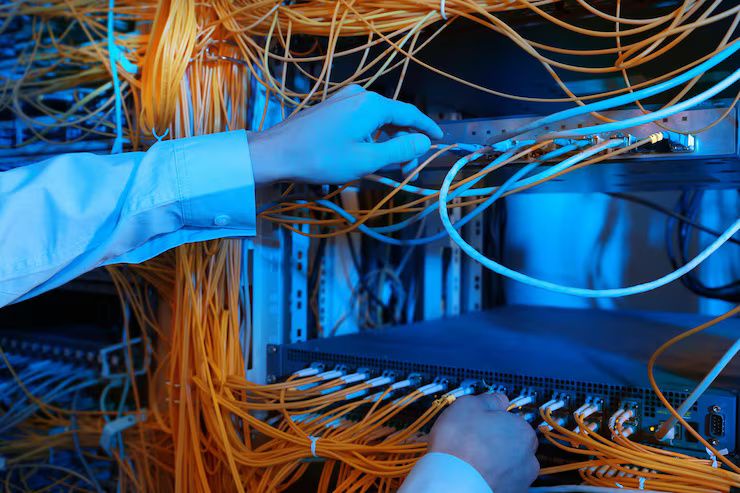
Importance: Why Data Cabling Matters Today
Data cabling remains critical even as wireless technologies advance. Wired networks continue to provide higher stability, predictable performance, and secure data transmission. As digital activity grows, the quality of cabling infrastructure directly affects network reliability and efficiency.
Key reasons data cabling is important include:
-
Reliable data transmission with minimal signal loss
-
Support for high-speed internet and internal networks
-
Reduced interference compared to wireless connections
-
Long-term scalability for growing network needs
Data cabling affects a wide range of users, including students, office workers, IT administrators, and public institutions. Poorly designed cabling can lead to slow connections, data errors, and frequent disruptions, while well-structured systems support smooth daily operations.
Common problems data cabling helps solve:
-
Network congestion caused by unstable connections
-
Inconsistent performance across connected devices
-
Difficulty expanding or upgrading network infrastructure
As cloud computing, video conferencing, and data-intensive applications become more common, dependable cabling systems remain a foundational requirement.
Recent Updates: Trends and Developments in Network Cabling
Over the past year, network cabling systems have continued to evolve to support higher data speeds and modern connectivity standards. Developments in 2025 focused on performance optimization, future readiness, and sustainability.
Notable trends observed in 2025 include:
-
Higher-category copper cables: Increased adoption of Category 6A and Category 8 cabling for faster data transfer
-
Fiber optic expansion: Greater use of fiber cabling to support long-distance and high-bandwidth networks
-
Smart infrastructure planning: Integration of cabling with intelligent building systems
-
Sustainability focus: Use of environmentally considerate materials and improved cable management
Industry standards organizations updated technical guidelines to reflect higher bandwidth requirements and improved signal integrity. These updates help ensure that cabling systems remain compatible with modern networking equipment.
The trend toward hybrid networks, combining wired and wireless solutions, has also reinforced the importance of a strong physical cabling foundation.
Laws and Policies: Regulations Affecting Data Cabling Systems
Data cabling is influenced by building codes, safety standards, and telecommunications regulations. These rules aim to ensure safe installation, interoperability, and reliable performance.
Key regulatory considerations include:
-
Fire safety and low-smoke cable requirements
-
Electrical grounding and interference control
-
Compliance with structured cabling standards
-
Data protection and infrastructure resilience
International standards bodies such as ISO and IEEE define technical specifications for cabling performance and network communication. In many countries, national building codes reference these standards for commercial and public buildings.
Government programs focused on digital infrastructure development also influence cabling practices, especially in educational campuses, healthcare facilities, and public networks. Compliance with these policies helps ensure safe and future-ready installations.
Tools and Resources: Helpful References for Data Cabling Knowledge
Understanding data cabling systems is supported by a variety of tools and educational resources. These materials help users plan, document, and evaluate network infrastructure.
Common categories of data cabling tools and resources include:
-
Cable testing and certification tools
-
Network design and diagramming software
-
Structured cabling standards documentation
-
Educational guides and technical references
Examples of commonly used resources:
| Resource Type | Purpose | Typical Use |
|---|---|---|
| Cable Testers | Verify signal quality | Network validation |
| Network Diagrams | Visualize layouts | Planning and documentation |
| Standards Guides | Define specifications | Compliance reference |
| Labeling Templates | Organize infrastructure | Maintenance clarity |
Organizations such as TIA publish structured cabling guidelines that help maintain consistency and reliability across installations.
These tools and references support clearer understanding and better management of network cabling systems.
Visual Overview: Common Types of Network Cabling
The table below summarizes widely used data cabling types and their general characteristics:
| Cabling Type | Description | Typical Environment |
|---|---|---|
| Twisted Pair (Cat 5e/6/6A) | Copper-based, widely used | Offices and homes |
| Fiber Optic | Light-based data transmission | Data centers, campuses |
| Coaxial | Shielded copper design | Legacy and specific systems |
This overview highlights why different cabling types are chosen based on distance, speed, and environment.
FAQs: Common Questions About Data Cabling
What is structured data cabling?
Structured data cabling is an organized approach to network cabling that uses standardized components and layouts to support multiple systems.
How long does network cabling typically last?
When installed correctly, cabling infrastructure can function effectively for many years, often outlasting connected equipment.
Is fiber optic cabling better than copper cabling?
Fiber optic cabling supports higher speeds and longer distances, while copper cabling remains effective for shorter, cost-efficient installations.
Does data cabling affect internet speed?
Yes. Cable quality and category influence bandwidth, signal stability, and overall network performance.
Can data cabling support future technologies?
Modern cabling standards are designed to accommodate higher speeds and evolving network requirements.
Conclusion: The Role of Data Cabling in Modern Networks
Data cabling systems provide the physical foundation for digital communication. They exist to ensure reliable, secure, and efficient data transfer across connected environments. Despite advances in wireless technology, structured cabling remains essential for consistent performance and scalability.
By understanding the context, importance, recent developments, regulatory considerations, and available resources related to data cabling, users gain a clearer view of how networks function behind the scenes. As digital connectivity continues to expand, well-planned data cabling systems will remain a critical element of modern infrastructure.