Dental Implants Guide: Procedure, Recovery & Long-Term Care
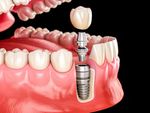
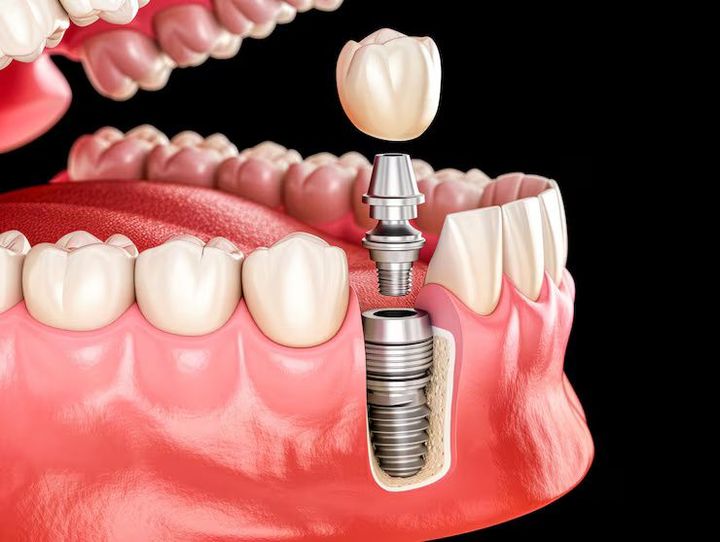
Dental implants are artificial tooth roots placed into the jawbone to support replacement teeth. They are commonly made from materials that are designed to work safely with the human body. Once the implant joins with the bone over time, it provides a stable foundation for a crown or other dental restoration.
Tooth loss can happen for many reasons, including tooth decay, gum disease, injury, or aging. Missing teeth may affect chewing, speaking, facial appearance, and overall confidence. Dental implants were developed to provide a long-lasting option that helps restore normal oral function while supporting jawbone health.
Unlike removable tooth replacements, implants remain fixed in place after successful healing. Their design aims to imitate the function of a natural tooth root, helping distribute chewing forces more evenly across the jaw.
Key Features of Dental Implants
- Support replacement teeth securely.
- Help maintain jawbone structure.
- Improve chewing ability.
- Restore natural-looking smiles.
- Support long-term oral health with proper care.
Why Dental Implants Matter Today
Dental implants have become an important part of modern dentistry because people are living longer and placing greater importance on oral health. Healthy teeth contribute to nutrition, speech, and overall quality of life.
Individuals who lose one or several teeth may experience difficulty eating certain foods or speaking clearly. Missing teeth may also allow neighboring teeth to shift over time, affecting the bite and oral alignment.
Who Can Benefit?
Dental implants may be suitable for:
- Adults with one or more missing teeth.
- Individuals with healthy gums.
- People with sufficient jawbone support.
- Patients seeking a fixed tooth replacement option.
Not everyone is an immediate candidate. A dental evaluation helps determine bone health, gum condition, and overall oral health before treatment planning begins.
Common Benefits
| Benefit | Explanation |
|---|---|
| Improved Appearance | Replacement teeth closely resemble natural teeth. |
| Better Chewing | Stable support improves eating comfort. |
| Clear Speech | Fixed teeth reduce movement during speaking. |
| Jawbone Support | Helps reduce bone loss after tooth loss. |
| Long-Term Stability | Designed for many years with proper care. |
How the Dental Implant Procedure Works
The dental implant process usually takes place over several stages. Treatment timelines vary depending on healing, bone condition, and individual oral health.
Initial Assessment
The dentist examines oral health using clinical evaluation and imaging. Treatment planning considers bone quality, gum health, and the location of missing teeth.
Implant Placement
A small implant is carefully positioned into the jawbone during a planned dental procedure. Healing begins immediately after placement.
Healing Period
Over several weeks or months, the implant gradually bonds with the surrounding bone through a natural healing process. This creates a stable foundation for the future restoration.
Placement of the Final Tooth
Once healing is complete, a connector and custom-made replacement tooth are attached to the implant.
Recovery Tips
- Follow post-treatment instructions carefully.
- Maintain excellent oral hygiene.
- Eat softer foods during early healing.
- Attend scheduled follow-up visits.
- Avoid habits that may interfere with healing.
Recovery and Long-Term Care
Successful implant treatment depends on consistent oral care and regular dental checkups.
Daily Care
Dental implants require many of the same hygiene practices as natural teeth.
Recommended habits include:
- Brushing twice each day.
- Cleaning between teeth using suitable tools.
- Rinsing as recommended by dental professionals.
- Maintaining healthy gums.
- Scheduling routine dental examinations.
Lifestyle Habits That Support Implant Health
- Eat a balanced diet.
- Reduce excessive sugar intake.
- Avoid smoking and tobacco products.
- Manage conditions affecting oral health.
- Report discomfort promptly to a dental professional.
Long-Term Maintenance Overview
| Care Activity | Recommended Frequency |
| Tooth Brushing | Twice daily |
| Cleaning Between Teeth | Daily |
| Dental Checkup | As advised by dental professional |
| Professional Cleaning | Periodically |
| Oral Health Review | Regularly |
Recent Developments in Dental Implant Care
Dental implant technology continues to evolve with improvements in materials, digital planning, and treatment techniques.
During 2025 and early 2026, several trends became increasingly common across many dental practices worldwide.
Digital Treatment Planning
Three-dimensional imaging and digital scanning continue improving treatment planning accuracy and patient communication.
Guided Implant Placement
Computer-assisted surgical guides help improve precision during implant positioning in suitable cases.
Improved Implant Surface Technology
Manufacturers continue developing implant surfaces that may support efficient healing under appropriate clinical conditions.
Personalized Restorations
Digital design technologies allow replacement teeth to better match surrounding natural teeth in appearance and function.
Focus on Preventive Care
Dental professionals increasingly emphasize preventive oral hygiene, regular monitoring, and patient education to support long-term implant success.
Laws and Policies Related to Dental Implants
Dental implant treatment is generally regulated through national healthcare and dental practice regulations. Although requirements vary between countries, several common principles apply.
Professional Licensing
Only qualified dental professionals who meet national licensing requirements are permitted to perform implant-related procedures where regulations apply.
Patient Safety Standards
Dental clinics are expected to follow infection control practices, sterilization procedures, and documentation standards established by health authorities.
Medical Device Regulations
Dental implant materials must comply with applicable medical device regulations before clinical use.
Patient Consent
Before treatment, patients are generally informed about:
- Treatment steps.
- Expected recovery.
- Possible risks.
- Alternative treatment options.
- Follow-up care requirements.
Continuing Professional Education
Many regulatory systems encourage ongoing professional education to help dental practitioners remain updated with current clinical standards and evolving treatment methods.
Helpful Tools and Learning Resources
Several educational resources can help individuals better understand dental implant treatment and oral health.
Useful resources include:
- Oral health information guides.
- Dental anatomy illustrations.
- Treatment planning templates.
- Appointment tracking calendars.
- Recovery progress journals.
- Oral hygiene checklists.
- Dental terminology glossaries.
- Medical history forms.
- Smile care planners.
- Preventive oral health educational materials.
Example Oral Care Routine
| Time | Activity |
| Morning | Brush teeth and clean between teeth |
| After Meals | Rinse mouth when appropriate |
| Evening | Brush thoroughly and clean around replacement teeth |
| Regularly | Attend dental examinations |
Frequently Asked Questions
Are dental implants permanent?
Dental implants are designed as a long-term tooth replacement solution. Their lifespan depends on oral hygiene, overall health, and regular professional care.
Is the dental implant procedure completed in one visit?
Most implant treatments involve several stages, including assessment, implant placement, healing, and placement of the final restoration. Treatment time varies for each individual.
Can older adults receive dental implants?
Age alone does not determine eligibility. Overall health, gum condition, and jawbone quality are generally more important factors during evaluation.
How should dental implants be cleaned?
Daily brushing, cleaning between teeth, and routine professional examinations help maintain implant health over time.
Can implants replace multiple missing teeth?
Yes. Depending on individual clinical conditions, implants may support single teeth, multiple teeth, or full-arch restorations as determined during treatment planning.
Conclusion
Dental implants have become an important advancement in modern dentistry by providing a stable and functional solution for replacing missing teeth. They help restore chewing ability, support clear speech, and contribute to maintaining jawbone health when combined with good oral hygiene and regular dental care.
Disclaimer: The information provided in this article is for informational purposes only. We do not make any claims or guarantees regarding the accuracy, reliability, or completeness of the information presented. The content is not intended as professional advice and should not be relied upon as such. Readers are encouraged to conduct their own research and consult with appropriate professionals before making any decisions based on the information provided in this article.