Maxillofacial Implant Manufacturing Methods and Innovations
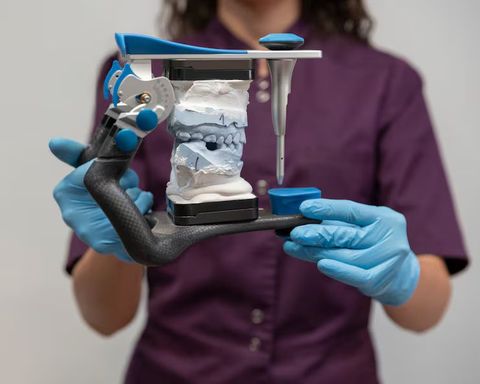
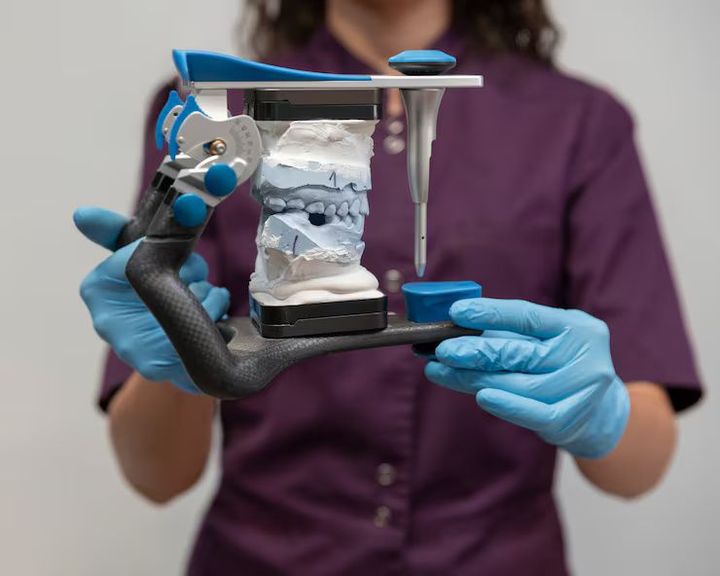
Maxillofacial implant manufacturing is the process of designing and producing medical implants used to repair, replace, or support bones and tissues in the face, jaw, and skull. These implants play an important role in reconstructive and restorative procedures following trauma, congenital conditions, disease, or surgical treatment.
The field combines medical science, engineering, biomaterials, and advanced manufacturing technologies. Over the years, implant production has evolved from simple standardized components to highly customized solutions designed for individual patients.
Maxillofacial implants are typically created using materials that are compatible with the human body and capable of maintaining strength and stability over long periods. Common materials include titanium alloys, medical-grade polymers, and specialized ceramic compounds.
The development of these implants exists because facial structures are highly complex. Every patient may have unique anatomical requirements, making precision and customization essential. Modern manufacturing methods help address these challenges by enabling detailed implant design and accurate production.
Common Types of Maxillofacial Implants
| Implant Type | Primary Purpose |
|---|---|
| Cranial Implants | Skull reconstruction |
| Mandibular Implants | Jaw restoration |
| Orbital Implants | Eye socket support |
| Zygomatic Implants | Cheekbone reconstruction |
| Facial Plates and Screws | Bone stabilization |
The manufacturing process generally includes:
- Medical imaging and data collection
- Digital design and modeling
- Material selection
- Precision manufacturing
- Surface treatment
- Quality testing
- Sterilization and packaging
Why Maxillofacial Implant Manufacturing Matters
Maxillofacial implant technology has become increasingly important due to the growing demand for advanced reconstructive procedures and personalized healthcare solutions.
Facial injuries resulting from accidents, sports activities, and other traumatic events affect millions of people globally. Additionally, conditions such as facial deformities, cancer-related bone loss, and congenital abnormalities often require reconstructive interventions.
Key Benefits of Modern Implant Manufacturing
- Improved anatomical accuracy
- Better structural support
- Enhanced patient comfort
- Reduced surgical complexity
- Increased long-term stability
- Faster treatment planning
The impact extends beyond medical outcomes. Facial reconstruction can significantly influence communication, eating, breathing, and social interaction. As a result, advancements in implant manufacturing contribute to both functional and aesthetic restoration.
Challenges Addressed by Modern Manufacturing
| Challenge | Manufacturing Solution |
| Complex anatomy | Digital 3D modeling |
| Implant fit issues | Patient-specific designs |
| Long production times | Automated workflows |
| Material performance | Advanced biomaterials |
| Surgical precision | Computer-assisted planning |
High-value industries associated with this field include medical device manufacturing, precision engineering, digital healthcare technology, advanced materials research, and additive manufacturing technologies.
Recent Updates and Emerging Technologies
The past year has seen continued innovation in maxillofacial implant manufacturing, particularly in digital design, additive manufacturing, and biomaterial development.
Increased Adoption of 3D Printing
During 2025 and early 2026, healthcare manufacturers expanded the use of additive manufacturing techniques to create patient-specific implants. This technology allows highly detailed structures to be produced directly from digital models generated through medical imaging.
Benefits include:
- Enhanced customization
- Reduced material waste
- Improved design flexibility
- Faster prototype development
Artificial Intelligence in Implant Design
Artificial intelligence is increasingly being integrated into implant planning workflows. AI-assisted software can analyze imaging data and assist engineers in creating optimized implant geometries.
Emerging applications include:
- Automated defect analysis
- Design optimization
- Surgical planning support
- Predictive performance evaluation
Growth of Bioactive Surface Technologies
Researchers continue exploring advanced surface treatments that improve implant integration with surrounding bone and tissue.
Recent developments focus on:
- Enhanced bone attachment
- Improved surface textures
- Antibacterial surface modifications
- Long-term durability improvements
Digital Manufacturing Workflow
The modern production process increasingly follows a fully digital pathway:
Medical Scan → Digital Model → Virtual Planning → Manufacturing → Quality Validation → Clinical Application
This approach improves accuracy while reducing production variability.
Smart Manufacturing Trends
Recent trends observed across the medical manufacturing sector include:
- Digital twins
- Automated quality inspection
- Robotics integration
- Data-driven manufacturing
- Advanced simulation software
These innovations are expected to influence the next generation of maxillofacial implants and reconstructive technologies.
Laws and Regulatory Frameworks
Because maxillofacial implants are medical devices used within the human body, they are subject to strict regulatory oversight.
Regulatory requirements vary by country, but most frameworks focus on safety, effectiveness, quality control, and traceability.
Common Regulatory Areas
| Regulatory Focus | Purpose |
| Device Safety | Protect patient health |
| Manufacturing Quality | Ensure consistency |
| Clinical Evaluation | Verify performance |
| Material Standards | Confirm biocompatibility |
| Post-Market Monitoring | Track long-term outcomes |
Quality Management Requirements
Manufacturers typically follow quality management systems that emphasize:
- Risk management
- Documentation control
- Product validation
- Process monitoring
- Corrective actions
International Standards
Several globally recognized standards influence implant manufacturing practices, including requirements related to:
- Medical device quality systems
- Biocompatibility testing
- Sterilization validation
- Material characterization
- Product traceability
Government Oversight
Many countries require regulatory review before implants can enter clinical use. Authorities generally evaluate:
- Safety data
- Manufacturing processes
- Technical documentation
- Clinical evidence
As medical technology advances, regulatory frameworks continue evolving to address innovations such as artificial intelligence, additive manufacturing, and personalized implant production.
Tools and Resources for Learning About Implant Manufacturing
A variety of educational and technical resources support professionals, researchers, students, and healthcare stakeholders interested in this field.
Design and Modeling Resources
- Computer-aided design software
- Medical imaging viewers
- Anatomical modeling tools
- Simulation platforms
Manufacturing Resources
- Additive manufacturing systems
- Precision machining technologies
- Material testing equipment
- Surface analysis instruments
Educational Resources
- Medical engineering publications
- Research journals
- Technical training courses
- Academic databases
Planning and Analysis Tools
| Tool Category | Purpose |
| Imaging Analysis | Review patient anatomy |
| Simulation Software | Test implant performance |
| Material Databases | Compare biomaterials |
| Validation Platforms | Assess manufacturing quality |
Helpful Learning Materials
- Industry reports
- Scientific articles
- Regulatory guidance documents
- Technical standards publications
- Engineering textbooks
These resources help users stay informed about manufacturing methods, technological developments, and regulatory expectations.
Frequently Asked Questions
What are maxillofacial implants made from?
Most maxillofacial implants are manufactured using titanium alloys, medical-grade polymers, or specialized ceramics. These materials are selected for their strength, durability, and compatibility with human tissues.
How are custom maxillofacial implants designed?
Custom implants are typically created using medical imaging data such as CT scans. Engineers use digital modeling software to design implants that match the patient's unique anatomy.
Why is 3D printing important in implant manufacturing?
3D printing allows highly customized implant production with precise geometries. It also supports rapid prototyping and complex structures that may be difficult to produce using traditional methods.
Are maxillofacial implants regulated?
Yes. Maxillofacial implants are considered medical devices and must comply with strict regulatory requirements related to safety, quality, performance, and manufacturing controls.
What technologies are shaping the future of implant manufacturing?
Emerging technologies include artificial intelligence, advanced biomaterials, additive manufacturing, digital simulation, automated inspection systems, and smart manufacturing platforms.
Conclusion
Maxillofacial implant manufacturing is a highly specialized field that combines healthcare, engineering, materials science, and digital technology. Its primary purpose is to create solutions that support facial reconstruction, restore functionality, and address complex anatomical challenges.
Disclaimer: The information provided in this article is for informational purposes only. We do not make any claims or guarantees regarding the accuracy, reliability, or completeness of the information presented. The content is not intended as professional advice and should not be relied upon as such. Readers are encouraged to conduct their own research and consult with appropriate professionals before making any decisions based on the information provided in this article.