Teeth Braces Options: A Complete Guide to Modern Orthodontic Treatments
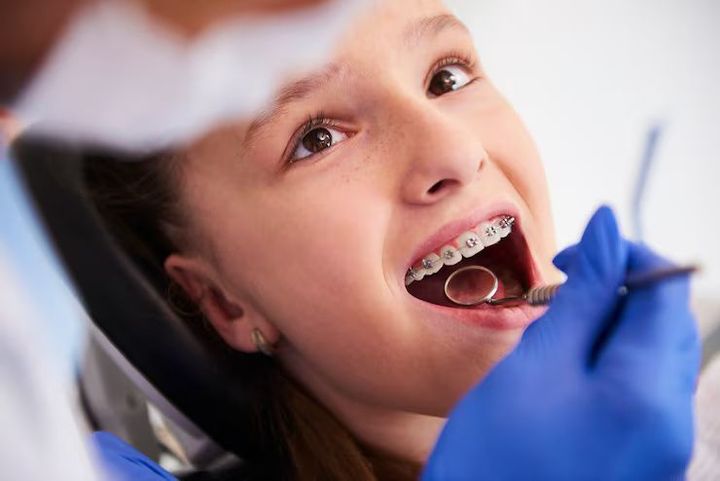
Teeth braces are orthodontic devices designed to gradually guide teeth and, in some cases, the jaws into better positions. They are used to address concerns such as crowded teeth, gaps, overbites, underbites, crossbites, and other alignment problems. Orthodontic treatment can also support better chewing, easier cleaning, and improved bite function.
The basic idea behind braces is simple. Controlled pressure is applied to teeth over time. The surrounding bone and supporting tissues gradually adapt, allowing teeth to move toward planned positions. The exact approach depends on the person’s age, dental condition, jaw development, treatment goals, and overall oral health.
Modern orthodontics now includes several teeth braces options. Traditional metal braces remain widely used, while ceramic braces, lingual braces, and clear aligners provide different approaches to appearance, comfort, and treatment planning.
A typical orthodontic assessment may include a dental examination, photographs, X-rays, digital scans, or other diagnostic records. These records help an orthodontic professional understand tooth positions, jaw relationships, and the condition of supporting structures before recommending a treatment approach.
The main teeth braces options include:
- Traditional metal braces: Use metal brackets and wires to guide tooth movement.
- Ceramic braces: Use tooth-coloured or less noticeable brackets.
- Lingual braces: Are placed on the inner surfaces of teeth.
- Clear aligners: Use a series of removable transparent trays.
- Self-ligating braces: Use a bracket design that holds the archwire in a different way.
- Retainers: Help maintain tooth positions after active orthodontic treatment.
No single option is ideal for everyone. A treatment that works well for one person may not be suitable for another because orthodontic problems vary considerably.
Why Modern Orthodontic Treatment Matters Today
The need for orthodontic care is linked to both appearance and function. Misaligned teeth can make brushing and flossing more difficult. Certain bite problems may affect chewing, speech, or the way teeth contact each other. In growing children and teenagers, orthodontic evaluation can also help identify developing jaw and alignment concerns.
Adults are also increasingly exploring orthodontic treatment. Improvements in digital planning and less noticeable appliances have expanded the range of options available to people who may not have considered braces earlier in life.
The importance of modern teeth braces options can be understood through several areas.
Improved oral hygiene: Straightening crowded teeth may make some areas easier to clean. However, braces themselves require careful daily oral hygiene because food and plaque can collect around brackets, wires, or attachments.
Better bite relationships: Orthodontic treatment may help improve how upper and lower teeth meet. A more balanced bite can support everyday functions such as chewing.
More treatment choices: Patients may now choose from fixed braces and removable systems, depending on clinical suitability and personal needs.
Digital treatment planning: 3D scans and computer-based simulations can help create detailed treatment plans. Digital tools may also support progress monitoring and communication between patients and dental professionals.
Support for different age groups: Children, teenagers, and adults can all receive orthodontic assessments. The ideal timing depends on individual dental development rather than age alone.
A key point is that orthodontic treatment is not only about creating a visually straight smile. A complete treatment plan should also consider tooth roots, gum health, jaw relationships, bite function, and long-term stability.
Recent Developments in Braces and Orthodontics
Orthodontics has experienced significant technological development during the past year. In 2025 and 2026, digital workflows, artificial intelligence research, 3D imaging, and advanced aligner planning continued to receive attention.
Recent research published in 2026 has examined the growing role of artificial intelligence in orthodontics. Researchers are exploring how AI can support tooth segmentation, treatment planning, movement prediction, and digital analysis. These systems are intended to assist professional decision-making rather than replace clinical judgment.
A 2026 randomized controlled trial also investigated an AI-assisted digital orthodontic workflow and reported improved short-term orthodontic outcomes under controlled study conditions. The researchers also noted the need for longer-term and broader clinical research before drawing wider conclusions.
Another important trend is the development of more advanced 3D digital planning systems. These technologies can create virtual representations of the teeth and simulate possible movement pathways. Such tools may help professionals assess complex alignment patterns before treatment begins.
Clear aligner manufacturing is also developing. In 2026, industry attention increased around direct 3D printing approaches for aligners, reflecting wider interest in digital manufacturing and automated orthodontic production. This trend shows how orthodontics is increasingly connected with advanced materials, computer modelling, and 3D printing.
However, technology does not remove the need for professional assessment. Digital simulations are planning tools, and actual tooth movement can vary between individuals. Biological response, patient cooperation, oral hygiene, and treatment complexity all influence results.
Laws, Regulations, and Dental Policies in India
In India, orthodontic treatment is part of the regulated dental healthcare system. The National Dental Commission Act, 2023 created a legal framework for regulating dentistry, dental education, professional standards, and related matters. The Act came into force on 29 February 2024.
A major development occurred in March 2026, when the Government of India constituted the National Dental Commission and its autonomous boards, replacing the earlier Dental Council of India framework. The new structure is intended to strengthen regulation, education quality, professional standards, and accountability within dentistry.
For people researching teeth braces options, the practical lesson is that orthodontic care should be approached through appropriately qualified dental professionals working within the applicable Indian regulatory framework.
Patients should also consider important health and safety principles:
- A proper dental examination should be completed before orthodontic treatment.
- Existing cavities or gum problems may require attention before or during orthodontic treatment.
- Treatment planning should be based on individual clinical needs.
- Digital images and patient information should be handled with appropriate privacy protections.
- Online claims about guaranteed outcomes or unusually rapid treatment should be viewed carefully.
Regulations and professional standards can change, so patients should rely on current information from recognised health authorities and qualified dental professionals.
Tools and Resources for Understanding Orthodontic Treatment
Several general tools can help people understand and manage orthodontic treatment. These resources should support professional guidance rather than replace it.
Digital dental scans: 3D intraoral scanning can create digital models of teeth and may assist with treatment planning.
Orthodontic imaging: X-rays and other diagnostic images can help assess tooth roots, jaw structures, and developing teeth when clinically appropriate.
Treatment progress tools: Digital monitoring platforms may allow patients and professionals to track changes between appointments.
Oral hygiene tools: Orthodontic toothbrushes, interdental brushes, flossing aids, and water-based cleaning devices may help people clean around braces more effectively.
Treatment planning templates: A simple written checklist can help patients record questions about treatment duration, appliance type, daily care, appointments, retainers, and possible risks.
Educational resources: Government health portals, dental education materials, professional associations, and university-based learning resources can provide general orthodontic information.
Reminder apps: Calendar and reminder applications can help track appointments, retainer routines, oral hygiene habits, and instructions provided by the dental team.
It is important to remember that online calculators or automated smile simulations cannot independently determine the most appropriate orthodontic treatment. Clinical decisions require professional evaluation.
Frequently Asked Questions About Teeth Braces Options
What are the main types of teeth braces?
The main options include traditional metal braces, ceramic braces, lingual braces, and clear aligners. The appropriate choice depends on the type and complexity of tooth movement required, oral health, age, treatment goals, and professional assessment.
Are clear aligners suitable for everyone?
No. Clear aligners can be effective for many alignment concerns, but they are not suitable for every orthodontic case. Some complex tooth movements or jaw-related problems may require fixed appliances or other treatment approaches.
How long does orthodontic treatment take?
Treatment time varies significantly. It depends on the complexity of the problem, the type of appliance, biological response, age, and adherence to treatment instructions. A qualified orthodontic professional can provide a more individualised estimate after assessment.
Are braces only for children and teenagers?
No. Adults can also receive orthodontic treatment. The condition of the teeth, gums, supporting bone, and overall oral health are important factors when considering treatment at any age.
Why are retainers needed after braces?
Teeth can naturally shift after active orthodontic treatment. Retainers help maintain the new positions. The type and wearing schedule depend on the treatment plan and individual circumstances.
Conclusion
Modern teeth braces options provide several ways to address dental alignment and bite concerns. Traditional metal braces remain an important treatment option, while ceramic braces, lingual appliances, clear aligners, and digital orthodontic planning have expanded the choices available to suitable patients.