Pulmonary Hypertension: Understanding Its Impact and Management
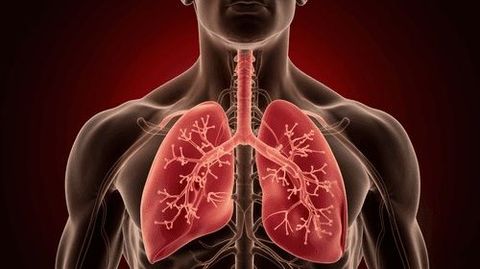
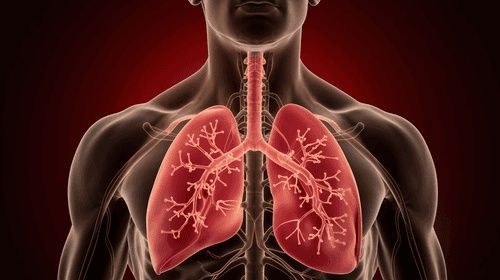
Pulmonary hypertension is a condition characterized by high blood pressure in the lungs' arteries, leading to various health challenges. Understanding its diagnosis, effects, and treatment options is crucial for affected individuals.
Pulmonary hypertension is not a single disease but a group of conditions with different underlying causes. It may develop because of heart disease, lung disorders, blood clots, connective tissue diseases, genetic factors, or other health conditions. In some people, the exact cause remains unknown.
Healthcare professionals classify pulmonary hypertension into different groups to help identify the underlying cause and determine the most appropriate treatment approach. Early diagnosis is important because symptoms often develop gradually and may resemble other common health conditions.
Many people initially experience mild symptoms such as shortness of breath during physical activity, tiredness, dizziness, or chest discomfort. As the condition progresses, symptoms may become more noticeable during everyday activities. Increased awareness helps people recognize warning signs earlier and seek timely medical evaluation.
Understanding pulmonary hypertension is important because advances in medical research continue to improve diagnosis, monitoring, and long-term management for individuals living with this condition.
Importance
Pulmonary hypertension has become an important healthcare topic because it can significantly affect daily life if not recognized early. Although considered a relatively uncommon condition, it has serious health implications when left untreated.
The condition affects people of different age groups, although certain forms are more common among older adults or individuals with existing heart or lung diseases. Some inherited forms may also appear in younger individuals.
Pulmonary hypertension matters today for several reasons:
- Early detection may help slow disease progression.
- Improved diagnostic methods allow healthcare providers to identify patients sooner.
- Better treatment strategies have improved long-term disease management.
- Greater awareness encourages individuals to seek medical attention when symptoms appear.
- Ongoing medical research continues to improve understanding of the disease.
People who may have a higher likelihood of developing pulmonary hypertension include those with:
- Chronic lung conditions
- Congenital heart disease
- Connective tissue disorders
- Chronic liver disease
- Sleep-related breathing disorders
- Previous pulmonary blood clots
- Family history of pulmonary hypertension
The condition can reduce physical activity, limit exercise tolerance, and affect emotional well-being. Proper management often combines medication, lifestyle adjustments, regular monitoring, and treatment of underlying health conditions.
Because symptoms may resemble asthma, general fatigue, or heart disease, accurate diagnosis plays an important role in helping healthcare professionals recommend appropriate treatment plans.
Recent Updates
Medical understanding of pulmonary hypertension continues to evolve. Throughout 2025 and early 2026, researchers and healthcare organizations have focused on improving diagnosis, treatment planning, and long-term patient outcomes.
Several important developments include:
- Greater use of advanced imaging techniques to support earlier diagnosis.
- Increased emphasis on identifying high-risk patients before severe complications develop.
- Expanded clinical research evaluating new treatment combinations for different forms of pulmonary hypertension.
- Improved digital monitoring methods that allow healthcare professionals to monitor symptoms between clinical visits.
- Growing interest in personalized treatment plans based on disease severity and underlying causes.
Healthcare providers are also encouraging multidisciplinary care involving cardiology, pulmonology, rehabilitation specialists, and nursing teams to improve patient outcomes.
International medical organizations continue updating clinical guidance as new research becomes available. These recommendations encourage evidence-based diagnosis, individualized treatment planning, and regular follow-up evaluations.
Artificial intelligence is also being explored as a supportive tool for analyzing medical imaging and patient records, helping identify patterns that may assist clinical decision-making. However, these technologies remain supportive tools and do not replace professional medical assessment.
Laws or Policies
The management of pulmonary hypertension is influenced by healthcare regulations, clinical guidelines, and national health programs that vary across countries.
Many countries encourage standardized diagnosis through evidence-based clinical practice guidelines developed by national medical societies and international cardiovascular organizations.
Healthcare systems commonly recommend:
- Early referral to specialized healthcare centers when pulmonary hypertension is suspected.
- Standardized diagnostic testing before confirming the diagnosis.
- Regular monitoring for disease progression.
- Patient education regarding symptom recognition and disease management.
- Appropriate reporting of rare diseases where applicable.
In many regions, medicines used for pulmonary hypertension are regulated through national medicine approval authorities to ensure safety, effectiveness, and quality standards.
Health insurance policies and public healthcare programs may provide varying levels of support depending on local healthcare systems and eligibility requirements. Coverage differs between countries and healthcare providers.
Research institutions continue conducting clinical studies under strict ethical standards designed to protect patient safety and improve future treatment options.
Public health organizations also promote awareness campaigns highlighting the importance of recognizing persistent breathlessness and seeking medical evaluation when symptoms continue.
Tools and Resources
Various educational and healthcare resources help patients and families better understand pulmonary hypertension while supporting communication with healthcare professionals.
Helpful resources include:
| Resource Type | Purpose |
|---|---|
| Symptom trackers | Record breathing difficulties, fatigue, and daily activities |
| Blood pressure logs | Monitor general cardiovascular health |
| Medication reminders | Support consistent treatment schedules |
| Activity journals | Track exercise tolerance over time |
| Medical appointment planners | Organize follow-up visits and test results |
| Educational guides | Improve understanding of pulmonary hypertension |
| Clinical guideline summaries | Explain recommended diagnostic approaches |
| Health record templates | Store laboratory and imaging reports |
Additional learning resources may include:
- Patient education booklets
- Medical glossary guides
- Lifestyle planning worksheets
- Exercise tracking templates
- Nutrition planning guides
- Breathing exercise instructions
- Healthcare discussion checklists
These resources support informed discussions between patients and healthcare professionals while encouraging long-term disease management.
Frequently Asked Questions
What is pulmonary hypertension?
Pulmonary hypertension is a condition where blood pressure inside the arteries of the lungs becomes higher than normal, making it harder for the heart to pump blood through the lungs.
What are the common symptoms?
Common symptoms include shortness of breath, tiredness, dizziness, chest discomfort, swelling in the legs, rapid heartbeat, and reduced ability to perform physical activities.
How is pulmonary hypertension diagnosed?
Diagnosis usually involves reviewing medical history, physical examination, blood tests, echocardiography, pulmonary function testing, imaging studies, and in many cases, right heart catheterization to confirm pulmonary artery pressure.
Can pulmonary hypertension be managed?
Although some forms cannot currently be completely cured, many patients can successfully manage the condition through appropriate medical treatment, healthy lifestyle habits, routine monitoring, and management of underlying diseases.
Who is more likely to develop pulmonary hypertension?
People with chronic heart disease, lung disease, connective tissue disorders, congenital heart conditions, previous pulmonary embolism, or a family history of pulmonary hypertension may have an increased likelihood of developing the condition.
Conclusion
Pulmonary hypertension is a complex medical condition that requires accurate diagnosis, regular monitoring, and individualized management. Although symptoms often develop gradually, increasing awareness helps people recognize warning signs earlier and seek timely medical evaluation.