Designer Bridal Saree Insights: Modern Designs, Draping Styles, and Elegance
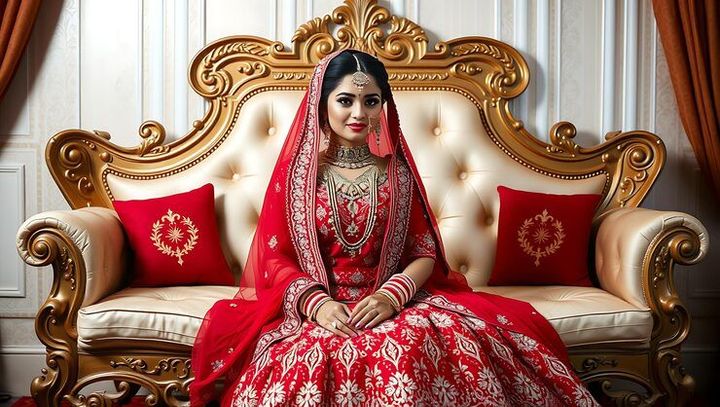
Designer bridal sarees are specially crafted garments worn during weddings and ceremonial occasions. They combine traditional Indian attire with modern design elements, offering a blend of cultural heritage and contemporary fashion. These sarees are typically made using premium fabrics such as silk, organza, velvet, and georgette, often enhanced with intricate embroidery, zari work, sequins, and handwoven patterns.
Designer bridal sarees have evolved to reflect changing preferences in wedding fashion. While traditional sarees have been worn for centuries, modern brides now look for personalization, comfort, and unique aesthetics. Designers reinterpret classic styles using new colors, draping methods, and innovative embellishments.
Bridal sarees vary across regions, showcasing India’s rich textile heritage. Some popular types include:
- Banarasi sarees known for silk and gold brocade
- Kanjeevaram sarees with bold colors and temple motifs
- Bandhani sarees featuring tie-dye techniques
- Contemporary designer sarees with minimalist or experimental styles
These variations highlight how sarees continue to adapt in modern wedding culture.
Why Designer Bridal Sarees Matter Today
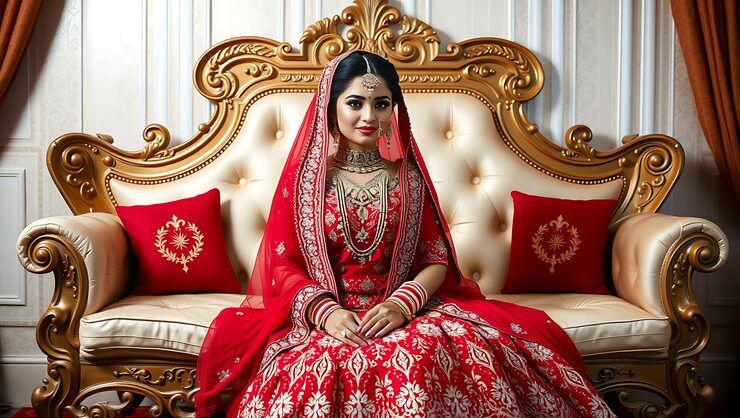
Designer bridal sarees are becoming increasingly relevant due to evolving fashion trends and cultural shifts. Modern weddings often blend tradition with innovation, and bridal attire reflects this balance.
Key Reasons for Popularity
- Brides seek individuality and personal expression
- Social media influences bridal fashion trends
- Sustainable fashion is gaining importance
- Comfort and practicality are prioritized
Designer sarees also address practical needs in wedding fashion:
- Provide lighter alternatives to heavy lehengas
- Allow customization based on body type and style
- Represent diverse cultural identities
- Suit different wedding themes and venues
They are versatile and can be worn across multiple wedding events, including engagements and receptions.
Recent Trends and Updates in 2025
Bridal saree fashion in 2025 reflects innovation, sustainability, and personalization. Designers are focusing on lightweight materials and modern aesthetics.
Trending Styles
- Pastel and muted tones like blush pink, ivory, and sage green
- Lightweight fabrics such as organza and tissue silk
- Pre-draped sarees for easy wear
- Fusion styles with jackets, belts, or capes
- Minimalist embroidery instead of heavy designs
Technology is also shaping bridal fashion. Digital tools allow designers to visualize patterns and simulate draping before production. Virtual consultations and 3D visualization are becoming more common.
Sustainability is a major focus, with increased use of eco-friendly dyes, handloom fabrics, and ethical production practices.
Traditional vs Modern Bridal Sarees
| Feature | Traditional Sarees | Modern Designer Sarees |
|---|---|---|
| Fabric Weight | Heavy | Lightweight to moderate |
| Color Palette | Bold and vibrant | Soft, pastel, neutral |
| Draping Style | Conventional | Pre-stitched or experimental |
| Embellishment | Dense embroidery | Minimal or artistic |
| Customization | Limited | High |
These updates show how bridal sarees are evolving while maintaining cultural roots.
Regulations and Policy Considerations
The designer bridal saree industry is influenced by textile, labor, and environmental regulations. In India, production must comply with established quality and sustainability standards.
Key Regulations
- Bureau of Indian Standards (BIS) guidelines for fabric quality
- Environmental rules for dyeing and waste management
- Handloom and handicraft protection policies
- Intellectual property laws for design protection
Government initiatives such as “Make in India” and “Vocal for Local” promote indigenous textiles and support artisans.
Geographical Indication (GI) tags protect traditional sarees like Banarasi and Kanjeevaram, ensuring authenticity. Labor laws also ensure fair working conditions and ethical sourcing practices.
Tools and Resources for Bridal Saree Planning
Various tools and resources help individuals explore designer bridal sarees and make informed decisions.
Useful Tools
- Fashion design software for saree visualization
- Digital mood boards for styling ideas
- Fabric guides and textile databases
- Online draping tutorials
- Virtual try-on platforms using AR
Helpful Resources
- Textile research institutes and fashion academies
- Bridal fashion blogs and educational platforms
- Cultural websites documenting traditional sarees
- Styling guides based on body types and occasions
Saree Draping Styles Overview
| Draping Style | Description | Occasion Suitability |
|---|---|---|
| Nivi Style | Classic pleated drape | Traditional ceremonies |
| Bengali Style | Wide pleats with shoulder drape | Cultural weddings |
| Gujarati Style | Pallu draped in front | Festive and bridal events |
| Pre-Stitched | Ready-to-wear structured saree | Modern weddings |
| Lehenga Style | Saree draped like a skirt | Reception or fusion events |
These tools and resources enhance understanding and simplify bridal planning.
Additional Insights on Elegance and Styling
Elegance in bridal sarees depends on fabric, color coordination, and draping technique. Styling plays a major role in the final appearance of the outfit.
Key Elements of Elegance
- Balanced color combinations
- Proper draping proportions
- Subtle embellishments
- Coordinated accessories
Modern Styling Trends
- Statement blouses with unique cuts
- Belts or waistbands for structure
- Layered jewelry for a refined look
- Minimal makeup for a natural finish
Bridal Saree Preference Trends (2025)
| Style Category | Popularity Level |
|---|---|
| Pastel Sarees | High |
| Lightweight Fabrics | High |
| Traditional Heavy | Moderate |
| Fusion Styles | High |
| Minimalist Designs | Increasing |
These trends show how modern brides are redefining elegance through simplicity and personalization.
Frequently Asked Questions
What is a designer bridal saree?
A designer bridal saree is a specially crafted saree that blends traditional elements with modern design techniques, offering unique fabrics, patterns, and draping styles.
Which fabrics are commonly used?
Common fabrics include silk, organza, georgette, velvet, and tissue silk, each offering different textures and comfort levels.
What is a pre-draped saree?
A pre-draped saree is a ready-to-wear version that eliminates traditional draping, making it easier to manage.
Are designer sarees suitable for all functions?
Yes, they can be adapted for engagements, receptions, and traditional wedding rituals.
How do modern trends differ from traditional sarees?
Modern styles focus on lightweight fabrics, pastel colors, minimalist designs, and innovative draping. Traditional sarees emphasize bold colors and heavy embroidery.
Conclusion
Designer bridal sarees represent a blend of tradition and innovation in modern wedding fashion. They offer versatility, comfort, and cultural expression while adapting to evolving trends.
With advancements in design, sustainability, and technology, bridal sarees continue to meet modern expectations. Their relevance in today’s weddings highlights a shift toward practical elegance while preserving timeless appeal.