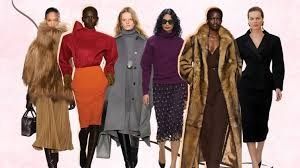
Women’s Silhouette Design Trends: Discover Creative Shape Concepts and Insights
Women’s silhouette design trends play a significant role in the fashion industry because they influence how garments are shaped, structured, and worn.
A silhouette refers to the overall outline or form of a garment when viewed from a distance. Throughout fashion history, silhouettes have changed according to cultural influences, technological developments, lifestyle needs, and artistic expression.
From fitted waistlines and flowing skirts to structured tailoring and oversized shapes, women’s fashion silhouettes have evolved continuously. Designers often experiment with volume, proportions, fabric movement, and garment construction to create distinctive looks. These creative approaches help define seasonal collections and broader fashion silhouette trends.
In recent years, modern women’s silhouette styles have become more diverse. Consumers are increasingly interested in clothing that balances comfort, personal expression, and functionality. As a result, both fitted silhouette dresses and over sized silhouette fashion have gained attention across different fashion segments.
Women’s clothing design trends are also influenced by changing work environments, social media visibility, sustainability discussions, and advancements in textile technology. These factors contribute to the growing variety of contemporary fashion silhouettes seen today.
Understanding Silhouettes in Fashion
A silhouette can be simple or complex, depending on the garment's structure. Common examples include:
- A-line silhouettes that gradually widen from the waist.
- Column silhouettes that create a long, straight appearance.
- Fit-and-flare silhouettes that combine fitted bodices with wider skirts.
- Oversized silhouettes that emphasize volume and relaxed proportions.
- Tailored silhouettes that focus on clean lines and structure.
These forms provide the foundation for many designer silhouette dresses and designer women’s apparel collections.
How Silhouettes Shape Fashion Identity
Silhouettes often communicate a particular aesthetic or mood. Structured garments may create a formal appearance, while loose-fitting styles can suggest comfort and ease. The selection of silhouette frequently influences how a garment is perceived and worn in different settings.
Importance
Fashion silhouettes matter because they affect comfort, mobility, visual balance, and personal style preferences. The shape of a garment often determines how individuals interact with clothing throughout daily activities.
Supporting Diverse Body Shapes
One reason women’s silhouette design trends remain important is their ability to accommodate diverse body proportions. Different silhouettes provide options that align with individual preferences and styling goals.
Examples include:
- Relaxed silhouettes that allow greater movement.
- Tailored silhouettes that emphasize structure.
- Layered silhouettes that create depth and dimension.
- Flowing silhouettes that focus on softness and movement.
This variety helps make fashion more adaptable to different lifestyles and occasions.
Responding to Lifestyle Changes
Modern lifestyles influence clothing design significantly. Flexible work arrangements, social events, travel, and changing dress expectations have encouraged designers to create garments that combine practicality with visual appeal.
Many contemporary fashion silhouettes now prioritize versatility while maintaining distinctive design characteristics.
Encouraging Creative Expression
Silhouettes allow designers to explore creativity beyond color and pattern. Through shape manipulation, fabric engineering, and innovative construction methods, fashion professionals can develop unique visual identities that distinguish collections from one another.
Luxury fashion silhouette trends often highlight experimental proportions and advanced tailoring techniques to explore new interpretations of garment structure.
Recent Updates
Fashion silhouette trends from recent years reflect broader cultural interests in comfort, individuality, sustainability, and adaptable design.
Growth of Oversized Shapes
One of the most visible developments is the continued popularity of over sized silhouette fashion. Large blazers, wide-leg trousers, voluminous sleeves, and relaxed outerwear have become common features in many collections.
These silhouettes often focus on:
- Ease of movement.
- Layering possibilities.
- Contemporary styling approaches.
- Flexible wardrobe combinations.
Return of Structured Tailoring
Alongside oversized styles, structured tailoring has also gained renewed attention. Designers have introduced sharp shoulders, defined waistlines, and architectural garment shapes that create balance and contrast.
This combination of relaxed and structured elements contributes to the diversity seen in modern women’s silhouette styles.
Increased Interest in Sculptural Design
Many designer women’s apparel collections now incorporate sculptural forms. Designers experiment with fabric volume, draping techniques, and innovative construction methods to create dramatic yet wearable silhouettes.
These approaches are especially visible in high end women’s fashion presentations where creative shape exploration plays a central role.
Focus on Sustainability and Longevity
Another notable trend involves designing silhouettes intended to remain relevant across multiple seasons. Rather than emphasizing short-term novelty, many collections focus on adaptable shapes that can be styled in different ways over time.
Comparison of Common Contemporary Fashion Silhouettes
| Silhouette Type | Key Characteristics | Common Uses |
|---|---|---|
| Oversized | Relaxed fit, extra volume | Outerwear, shirts, trousers |
| Tailored | Structured lines, defined shape | Blazers, dresses, suits |
| A-Line | Narrow top, wider lower section | Dresses, skirts |
| Column | Straight, elongated form | Eveningwear, formal dresses |
| Fit-and-Flare | Fitted upper section with fuller skirt | Casual and occasion wear |
| Sculptural | Experimental shapes and volume | Runway collections, statement pieces |
Laws or Policies
Fashion design and apparel manufacturing are influenced by various regulations and policies. While silhouette design itself is generally a creative process, the production and distribution of garments often operate within established legal frameworks.
Product Labeling Requirements
Many countries require clothing labels that provide information about:
- Fiber composition.
- Care instructions.
- Country of origin.
- Manufacturer identification.
These requirements help consumers understand garment characteristics and maintenance needs.
Intellectual Property Protection
Fashion creators may seek protection for certain design elements through intellectual property laws. Depending on local regulations, aspects of garment design, branding, and creative works may receive legal protection.
Sustainability and Environmental Policies
Environmental regulations increasingly affect fashion production. Policies related to textile waste, recycling, chemical usage, and manufacturing processes continue to influence how garments are designed and produced.
These developments can indirectly shape women’s clothing design trends by encouraging more efficient material use and longer-lasting garment construction.
Workplace and Manufacturing Standards
Many regions maintain labor and manufacturing regulations that govern apparel production. These standards address workplace conditions, safety requirements, and supply-chain transparency.
As consumers become more interested in production practices, these regulations remain an important part of the broader fashion industry landscape.
Tools and Resources
Various tools and digital resources support the development and analysis of women’s silhouette design trends.
Digital Design Software
Fashion designers frequently use computer-aided design platforms to visualize garments before production. These tools assist with:
- Pattern development.
- Garment rendering.
- Fabric simulation.
- Silhouette experimentation.
Examples include software used for 2D pattern drafting and 3D garment visualization.
Trend Research Platforms
Trend analysis platforms help designers monitor evolving fashion silhouette trends by collecting information from runway presentations, retail markets, and consumer behavior studies.
These resources support informed decision-making during collection development.
Digital Mood Boards
Mood board applications allow designers to organize visual references, color palettes, fabric inspirations, and silhouette concepts in one location.
Such tools help communicate creative ideas clearly throughout the design process.
Educational Resources
Fashion schools, design publications, industry reports, and online learning platforms provide educational materials covering:
- Garment construction.
- Pattern making.
- Fashion history.
- Trend forecasting.
- Contemporary silhouette development.
These resources contribute to a broader understanding of women’s fashion silhouettes and design innovation.
FAQs
What are women’s silhouette design trends?
Women’s silhouette design trends refer to popular garment shapes and structural styles that influence clothing design. These trends may include oversized, tailored, sculptural, fitted, or flowing forms.
Why are fashion silhouette trends important?
Fashion silhouette trends influence how clothing looks, fits, and functions. They help designers respond to changing lifestyles, aesthetic preferences, and cultural influences.
What are some common modern women’s silhouette styles?
Common modern women’s silhouette styles include oversized blazers, column dresses, A-line garments, structured tailoring, fit-and-flare designs, and sculptural fashion pieces.
How do designer silhouette dresses differ from standard dress designs?
Designer silhouette dresses often emphasize unique proportions, advanced construction techniques, innovative draping, and creative shape exploration while maintaining wearability.
How are luxury fashion silhouette trends influencing contemporary fashion silhouettes?
Luxury fashion silhouette trends frequently introduce experimental concepts that later influence broader fashion markets. These trends may include architectural tailoring, dramatic volume, and innovative garment structures.
Conclusion
Women’s silhouette design trends continue to evolve as fashion responds to cultural changes, technological developments, and shifting lifestyle preferences. Contemporary fashion silhouettes range from oversized forms to highly structured tailoring, providing diverse options for creative expression. Designer women’s apparel often explores new approaches to shape and proportion, contributing to ongoing innovation within the industry. Understanding silhouette concepts helps readers recognize how garment structure influences both fashion design and everyday clothing choices.