Diamond Jewelry Guide for Understanding Different Styles and Design Features
Diamond jewelry has remained one of the most admired forms of personal adornment for generations.
Whether worn for special occasions, personal expression, or everyday elegance, diamonds continue to attract attention because of their brilliance, durability, and timeless appeal. From simple solitaire pieces to intricate designer collections, diamond jewelry offers a wide variety of styles that suit different preferences and fashion trends.
As jewelry design continues to evolve, consumers are presented with more choices than ever before. Different cuts, settings, metals, and design elements can dramatically influence how a piece looks and feels. Understanding these features helps people appreciate the craftsmanship behind diamond jewelry and recognize the factors that contribute to its visual appeal.
What really matters is not simply the size or appearance of a diamond. The combination of design, setting, craftsmanship, and overall style often creates the unique character that makes a piece stand out.
This guide explores the basics of diamond jewelry, explains common styles and design features, highlights important craftsmanship elements, and examines modern trends shaping the jewelry industry.
Understanding Diamond Jewelry
Diamond jewelry refers to decorative pieces that incorporate diamonds as their primary gemstone or as part of a larger design.
Diamonds are valued for their exceptional hardness, light reflection, and ability to complement various jewelry styles. They can be incorporated into rings, necklaces, bracelets, earrings, pendants, and many other jewelry forms.
This matters because different jewelry designs showcase diamonds in different ways, influencing both appearance and overall style.
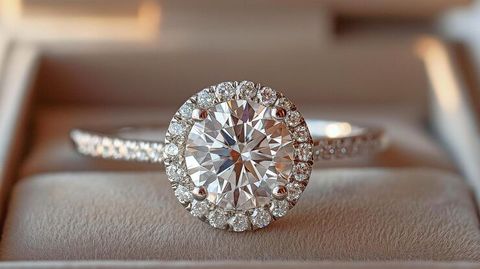
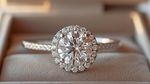
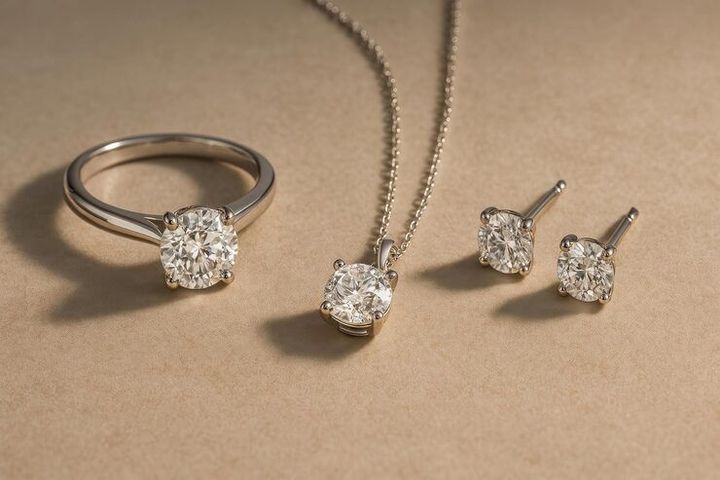
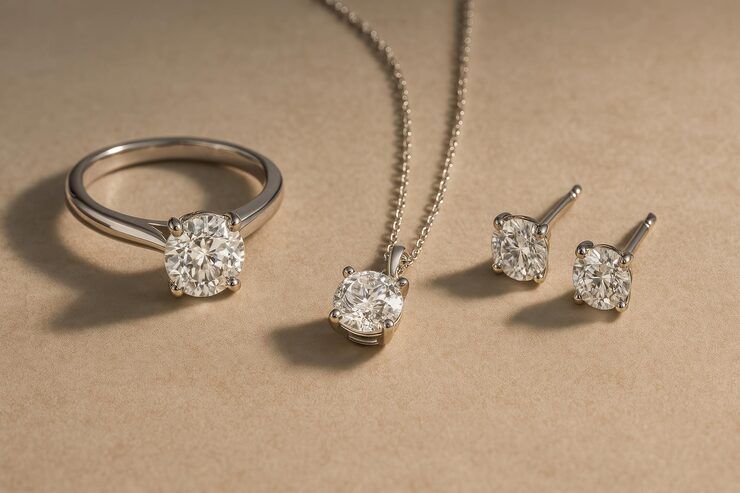
A practical example is a solitaire ring that emphasizes a single diamond compared with a halo design that surrounds the center stone with smaller diamonds to create additional visual impact.
Why Diamond Jewelry Remains Popular
Diamond jewelry has maintained its appeal across generations because it combines durability with timeless design.
Unlike many fashion trends that change quickly, diamonds often remain relevant due to their versatility and ability to complement both classic and contemporary styles. Their durability also makes them suitable for jewelry intended for regular wear.
The real difference appears when design elements enhance the natural beauty of diamonds while reflecting individual preferences and artistic creativity.
A real-world example is a diamond pendant that remains fashionable across changing trends because of its simple and elegant design.
How Diamond Jewelry Is Designed
Creating diamond jewelry involves a combination of artistic vision and technical craftsmanship.
Designers begin by developing concepts that determine how diamonds and metals will work together. The chosen diamond shape, setting style, and overall structure influence both appearance and functionality.
Manufacturing processes then transform these concepts into finished pieces through precise metalworking and stone-setting techniques.
This matters because even small design adjustments can significantly affect how light interacts with the diamond and how the jewelry appears when worn.
A practical example is adjusting a setting height to enhance brilliance while maintaining comfort and durability.
Common Diamond Jewelry Styles
Diamond jewelry is available in numerous styles that reflect different aesthetic preferences.
Solitaire Designs
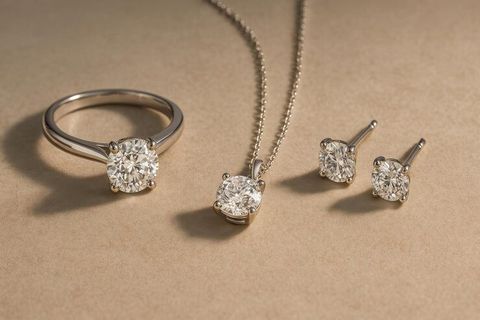
Solitaire jewelry features a single prominent diamond that serves as the primary focal point.
Halo Designs
Halo settings surround a central diamond with smaller stones, creating additional sparkle and visual dimension.
Vintage-Inspired Designs
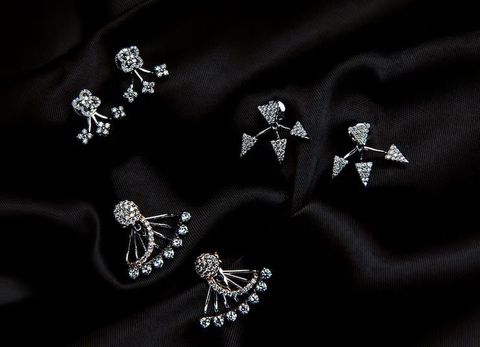
These styles incorporate decorative details and craftsmanship influenced by historical jewelry traditions.
Contemporary Designs
Modern styles often emphasize clean lines, innovative settings, and minimalist aesthetics.
Each style creates a different visual effect while highlighting the beauty of diamonds in unique ways.
Understanding Diamond Cuts
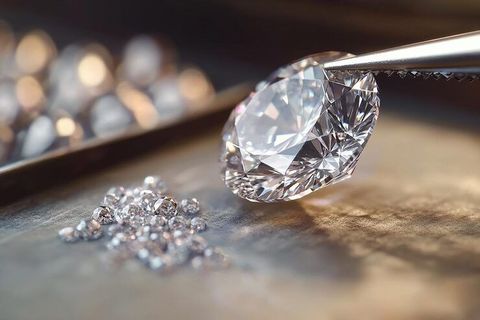
The cut of a diamond influences how it reflects and disperses light.
Round diamonds are among the most recognized cuts due to their brilliance and versatility. Princess cuts offer a more angular appearance, while oval, pear, emerald, and cushion cuts create distinct visual characteristics.
This matters because the cut often affects both style and light performance.
Common diamond cuts include:
- Round cut
- Princess cut
- Oval cut
- Cushion cut
Each shape creates a different balance of brilliance, proportions, and design possibilities.
The Importance of Diamond Settings
A diamond setting is the structure that secures the gemstone within the jewelry piece.
Settings influence appearance, protection, and how much light reaches the diamond. Different styles may prioritize brilliance, durability, or visual emphasis.
Popular settings include prong settings, bezel settings, pavé arrangements, and channel designs.
A real-world example is a prong setting that allows more light exposure compared with a bezel setting that surrounds the diamond with metal for additional protection.
The real difference appears when the setting complements both the diamond and the overall jewelry design.
Design Features That Influence Appearance
Several design elements contribute to the overall character of diamond jewelry.
Metal selection affects color contrast and overall aesthetics. Common choices include gold, platinum, and other precious metals.
Diamond placement influences visual balance and how the jewelry interacts with light.
Proportions and symmetry also play important roles in creating a refined and attractive appearance.
A practical example is a necklace where diamond spacing and arrangement create a balanced and elegant design.
These features demonstrate how craftsmanship extends beyond the diamond itself.
Comparing Popular Diamond Jewelry Styles
| Style | Primary Feature | Visual Effect |
|---|---|---|
| Solitaire | Single Diamond | Classic Simplicity |
| Halo | Surrounding Diamonds | Enhanced Sparkle |
| Vintage-Inspired | Decorative Details | Traditional Elegance |
| Contemporary | Modern Design Elements | Minimalist Appearance |
The real difference appears when personal style preferences align with specific design characteristics.
Decision Guide for Understanding Diamond Jewelry Styles
Choosing between different diamond jewelry styles depends on several factors.
Personal aesthetic preferences often influence style selection because individuals may prefer classic, modern, or decorative designs.
Jewelry purpose should also be considered since some designs are intended for everyday wear while others emphasize visual impact.
Craftsmanship details matter as well because setting quality and design execution influence both appearance and durability.
A practical example is comparing a simple solitaire pendant with an elaborate halo necklace. Both feature diamonds, but their visual presentation and design priorities differ significantly.
In many cases, the real difference appears when design features support both personal style and practical use.
Real-World Applications of Diamond Jewelry
Diamond jewelry is worn in a variety of settings and occasions.
Everyday jewelry often emphasizes comfort, versatility, and timeless design.
Formal pieces may incorporate more elaborate arrangements and decorative features.
Fashion collections frequently explore contemporary trends while maintaining the appeal of diamonds.
Special occasion jewelry often combines artistic design with symbolic significance.
These examples highlight the versatility of diamond jewelry across different lifestyles and preferences.
Future Trends in Diamond Jewelry Design
Jewelry design continues evolving through innovation, technology, and changing consumer preferences.
Computer-aided design tools are helping designers create increasingly intricate and precise jewelry concepts.
Modern consumers are showing interest in personalized and customizable jewelry designs.
Minimalist aesthetics continue influencing contemporary collections, while vintage-inspired details remain popular in many markets.
Advanced manufacturing technologies are also expanding creative possibilities within jewelry craftsmanship.
What really matters is how designers balance timeless appeal with evolving trends to create pieces that remain meaningful and visually compelling.
FAQ
1. What is diamond jewelry?
Diamond jewelry includes rings, necklaces, bracelets, earrings, and other decorative pieces that feature diamonds as key design elements.
2. Why are diamond cuts important?
Diamond cuts influence brilliance, light reflection, and overall visual appearance.
3. What is a halo setting?
A halo setting surrounds a central diamond with smaller diamonds to enhance sparkle and visual impact.
4. How do settings affect diamond jewelry?
Settings influence appearance, protection, durability, and how light interacts with the diamond.
5. What are some popular diamond jewelry styles?
Solitaire, halo, vintage-inspired, and contemporary designs are among the most popular styles.
Conclusion
Diamond jewelry combines beauty, craftsmanship, and design versatility in ways that continue to attract admiration across generations. From understanding diamond cuts and settings to exploring different jewelry styles, each design element contributes to the overall character and appeal of a piece.
As jewelry design continues evolving through new technologies and creative approaches, diamond jewelry remains a fascinating blend of tradition and innovation. Understanding the styles and design features behind these pieces provides valuable insight into the artistry that makes diamond jewelry enduringly popular.