Nose adornment has existed for centuries across different cultures. Historical records suggest that nose piercing traditions appeared in parts of the Middle East and South Asia many hundreds of years ago. Over time, these practices spread globally and became associated with cultural identity, fashion trends, and personal expression.
Diamond nose rings gained popularity as diamond cutting technology improved and jewelry craftsmanship advanced. Their brilliance and durability make them ideal for small yet eye-catching accessories. Today, they are available in various styles suited for both traditional and modern fashion preferences.
Common Styles of Diamond Nose Rings
-
Diamond nose studs – small single diamonds on a thin pin
-
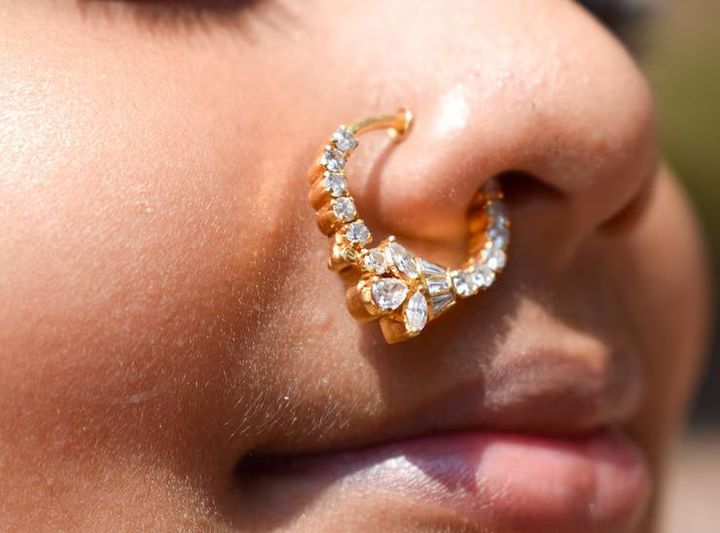
Diamond nose hoops – circular rings with diamond accents
-
L-shaped nose rings – designed for secure placement
-
Screw-style nose rings – shaped to stay firmly in place
-
Decorative diamond rings – feature multiple stones or intricate designs
Diamond nose rings are worn for cultural, aesthetic, and symbolic reasons. In some cultures, they represent tradition and marital customs, while in others they serve as fashion accessories.
Why Diamond Nose Rings Matter in Modern Fashion and Culture
Diamond nose rings represent a blend of traditional heritage and contemporary style. They are widely recognized across global fashion platforms, making them relevant in both cultural and modern contexts.
Key Groups Influenced by This Jewelry
-
Individuals exploring personal style and identity
-
Jewelry designers and fashion stylists
-
Cultural communities maintaining traditions
-
Social media influencers and digital creators
-
Event planners and wedding stylists
The rise of global fashion trends has increased the visibility of cultural jewelry. Items once limited to specific regions are now worn worldwide, often appearing in fashion media and online platforms.
Practical Benefits of Diamond Nose Rings
-
Lightweight and comfortable for daily wear
-
Durable due to diamond hardness
-
Versatile for casual and formal outfits
-
Easy to combine with other accessories
Minimalist jewelry trends have also contributed to their popularity. Small diamond studs and subtle designs align with modern preferences for understated elegance.
Recent Updates in Diamond Nose Ring Trends
Jewelry trends continue to evolve, and diamond nose rings have seen several notable developments in recent years. In 2025, micro-diamond jewelry became increasingly popular, focusing on very small stones arranged in minimalist patterns.
Key Trends in 2024–2025
-
Minimalist diamond studs for everyday wear
-
Tiny diamond clusters for subtle sparkle
-
Geometric shapes such as triangles and stars
-
Mixed-metal combinations with gold and platinum
-
Stacked styling with earrings and ear cuffs
Lab-grown diamonds have also gained attention due to advancements in technology and discussions around sustainability. These diamonds share similar physical and chemical properties with natural diamonds.
Social media platforms have further influenced trends by showcasing styling ideas and increasing awareness. Ethical sourcing and transparency have also become important considerations in modern jewelry design.
Laws and Policies Affecting Jewelry and Body Piercing
Diamond nose rings are not heavily regulated as fashion items, but certain laws influence their production and use. These regulations focus on safety, labeling, and ethical sourcing.
Key Regulatory Areas
-
Limits on nickel content in jewelry
-
Standards for precious metal purity
-
Consumer labeling requirements
In the European Union, regulations such as REACH control hazardous substances in consumer products. In the United States, FTC Jewelry Guides ensure accurate labeling of diamonds and metals.
Body Piercing Safety Regulations
-
Sterilization procedures in piercing studios
-
Use of single-use needles
-
Strict hygiene protocols
-
Professional certification requirements
International initiatives like the Kimberley Process aim to prevent the trade of conflict diamonds. These policies support ethical sourcing and responsible manufacturing practices.
Tools and Resources for Learning About Diamond Jewelry
Various tools and resources help individuals understand diamonds and jewelry design. These resources provide insights into gemstone grading, certification, and styling.
Useful Learning Tools
-
Diamond grading guides (cut, color, clarity, carat)
-
Jewelry design software for professionals
-
Gemstone certification databases
-
Fashion and jewelry trend reports
-
Educational websites on gemstone science
Diamond Grading Overview
| Diamond Attribute | Description |
|---|
| Cut | Determines how well the diamond reflects light |
| Color | Indicates the level of colorlessness |
| Clarity | Measures internal imperfections |
| Carat | Represents the weight of the diamond |
Common Nose Ring Types
| Nose Ring Type | Characteristics |
|---|
| Stud | Small, simple design with a single diamond |
| Hoop | Circular ring with or without accents |
| Screw Style | Twisted post for secure placement |
| L-Shaped | Bent design that holds the jewelry in place |
Educational platforms and fashion publications often provide tutorials on jewelry care, gemstone identification, and styling practices.
Frequently Asked Questions
What makes diamonds suitable for nose rings?
Diamonds are highly durable and resistant to scratching. Their reflective qualities allow even small stones to produce noticeable sparkle.
Are diamond nose rings worn for cultural or fashion reasons?
They are worn for both reasons. In some cultures, they represent traditions and ceremonies, while in modern fashion they serve as decorative accessories.
What metals are commonly used in diamond nose rings?
Common metals include gold, platinum, titanium, and surgical stainless steel. These materials are chosen for durability and compatibility with body piercings.
How do diamond grading factors affect small jewelry pieces?
Cut quality influences brilliance even in small diamonds. Color and clarity may be less noticeable but still affect overall appearance.
Why are lab-grown diamonds popular in recent trends?
Advances in technology have made lab-grown diamonds more accessible. Sustainability discussions have also increased their popularity in modern jewelry.
Conclusion
Diamond nose rings represent a blend of culture, craftsmanship, and modern fashion. From their historical roots to their presence in contemporary jewelry, they continue to evolve with changing trends.
Recent developments highlight minimalist styles, micro-diamond designs, and a growing focus on ethical sourcing. Technological advancements in diamond production are also shaping the future of this accessory.
Understanding their cultural significance, industry regulations, and modern trends helps provide a broader perspective. Diamond nose rings remain a timeless form of personal expression that reflects both tradition and innovation.