Diamond Ring Guide: Understanding Styles, Settings, and Everyday Wear Options
A diamond ring is one of the most recognized forms of jewelry in many cultures around the world.
It is commonly associated with engagements, weddings, anniversaries, personal milestones, and family traditions. Over time, diamond jewelry has evolved from simple handcrafted pieces into a wide variety of styles that reflect different preferences, materials, and design approaches.
The tradition of giving a diamond engagement ring became more widespread during the twentieth century and continues today in many regions. Alongside engagement jewelry, diamond wedding rings and other forms of diamond bridal jewelry have become common parts of wedding ceremonies and celebrations.
Modern consumers can choose from many options, including a solitaire diamond ring, designer diamond rings, certified diamond rings, and a custom diamond ring created to match personal preferences. Advances in jewelry manufacturing have also introduced new options such as the lab grown diamond ring, expanding the range of choices available to individuals and families.
Understanding ring styles, settings, materials, and everyday wear considerations can help people better understand how diamond jewelry is designed and used. While diamond rings are often linked to special occasions, many people also wear them as part of their regular daily accessories.
Understanding Diamond Ring Components
A typical diamond ring consists of several elements working together:
- Center diamond or multiple diamonds
- Ring setting that secures the stone
- Band made from precious metals
- Design features such as side stones or decorative details
The appearance and durability of a ring are influenced by how these components are combined.
Common Diamond Quality Factors
Diamonds are commonly evaluated using four key characteristics:
| Factor | Description |
|---|---|
| Cut | How well the diamond reflects light |
| Color | Degree of colorlessness present |
| Clarity | Presence of internal or external characteristics |
| Carat Weight | Measurement of diamond weight |
These factors help describe the physical characteristics of a diamond rather than determining its personal value to the wearer.
Importance
Diamond rings remain relevant because they often represent meaningful life events and personal expressions. They are worn by people across different age groups and cultural backgrounds.
Symbolism and Personal Meaning
For many individuals, a diamond engagement ring symbolizes commitment and partnership. Similarly, diamond wedding rings often represent the continuation of a shared journey after marriage.
Others may choose luxury diamond rings or high end diamond rings to commemorate achievements, anniversaries, or family milestones. In these situations, the jewelry serves as a lasting reminder of an important event.
Everyday Wear Considerations
Many diamond rings are designed for regular use. However, daily wear introduces practical considerations such as durability, comfort, and maintenance.
Important factors include:
- Secure stone settings
- Comfortable band width
- Resistance of the metal to scratches
- Ease of cleaning
- Compatibility with daily activities
A platinum diamond ring is often discussed in relation to everyday wear because platinum is known for its durability and resistance to corrosion. The metal develops a natural surface patina over time, which some wearers appreciate as part of its appearance.
Understanding Different Ring Styles
Several popular styles appear across the diamond jewelry market.
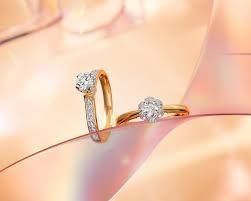
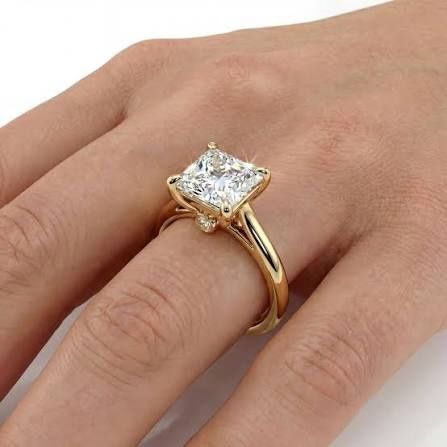
A solitaire diamond ring features a single central stone and remains one of the most recognized designs. Its simplicity allows the diamond to remain the primary focal point.
Designer diamond rings often incorporate unique artistic elements, intricate metalwork, or distinctive stone arrangements.
A custom diamond ring allows specific design preferences to be incorporated during the creation process. This may include selecting the setting style, metal type, diamond shape, and decorative details.
Luxury diamond rings may feature larger stones, complex craftsmanship, rare diamond cuts, or premium materials, although design approaches vary significantly between manufacturers.
Recent Updates
The diamond jewelry industry has experienced several developments in recent years. These changes have influenced how consumers learn about, compare, and select diamond rings.
Growth of Lab-Grown Diamonds
One notable trend is the increased visibility of the lab grown diamond ring. These diamonds are created using technological processes that replicate the conditions under which natural diamonds form.
Lab-grown diamonds possess many of the same physical and chemical characteristics as natural diamonds. As public awareness grows, more consumers are researching how these diamonds compare with mined alternatives.
Increased Focus on Certification
Interest in certified diamond rings continues to expand. Certification reports provide information about a diamond's characteristics, including cut, color, clarity, and carat weight.
Many consumers review certification documents when comparing diamonds because they provide standardized grading information from recognized gemological organizations.
Digital Ring Visualization Tools
Jewelry brands and retailers increasingly use digital visualization technology. These tools may allow users to:
- View rings from multiple angles
- Compare stone sizes
- Explore different setting styles
- Visualize metal combinations
- Examine design details closely
These developments have made educational information more accessible to the public.
Personalization Trends
Customization remains a significant trend. Many consumers are exploring custom diamond ring designs that reflect personal preferences rather than selecting standardized styles alone.
Popular personalization elements include:
- Mixed metal designs
- Unique diamond shapes
- Engraved bands
- Vintage-inspired settings
- Minimalist contemporary styles
Growing Interest in Platinum Jewelry
The platinum diamond ring continues to receive attention due to its durability and naturally white appearance. Platinum is frequently selected for engagement and wedding jewelry because it securely supports gemstone settings while maintaining structural strength over long periods.
Laws or Policies
Diamond jewelry is influenced by various regulations that promote transparency, consumer protection, and accurate product descriptions.
Diamond Disclosure Requirements
In many countries, businesses must accurately describe whether a diamond is natural, laboratory-created, or treated. These disclosure requirements help ensure that consumers receive factual information about jewelry products.
Regulatory agencies often require clear labeling practices for diamond products and related advertising materials.
Hallmarking and Precious Metal Standards
Many jurisdictions have hallmarking systems that verify precious metal purity. These standards may apply to metals commonly used in diamond jewelry, including platinum, gold, and silver.
Hallmarks help identify metal composition and support transparency within the jewelry market.
Consumer Protection Rules
Consumer protection laws generally address:
- Accurate product descriptions
- Fair advertising practices
- Material disclosure requirements
- Product authenticity claims
- Return and warranty information where applicable
These rules are intended to reduce misleading information and encourage clear communication.
International Diamond Trade Standards
The global diamond industry also follows various trade standards and certification frameworks. These systems help improve traceability and establish consistent methods for evaluating diamonds across different markets.
Requirements may vary by country, so consumers often review local regulations when researching jewelry purchases.
Tools and Resources
Several tools and educational resources can help people understand diamond rings and jewelry terminology.
Diamond Certification Databases
Many gemological organizations provide online verification tools that allow users to confirm certificate information using a report number.
These databases can help readers understand the grading details associated with certified diamond rings.
Ring Size Measurement Tools
Ring sizing guides and printable measurement templates are commonly used to estimate finger size. Accurate sizing contributes to comfort and daily wearability.
Educational Gemology Websites
Educational platforms explain topics such as:
- Diamond grading systems
- Ring setting styles
- Metal characteristics
- Jewelry maintenance
- Diamond shapes and cuts
These resources can help individuals build foundational knowledge before making jewelry-related decisions.
Jewelry Care Checklists
Maintenance checklists can assist with routine care activities, including:
- Cleaning schedules
- Inspection reminders
- Storage practices
- Setting security checks
- Professional evaluation records
Digital Design Platforms
Some jewelry design platforms allow users to experiment with ring configurations virtually. These tools may assist individuals exploring designer diamond rings or planning a custom diamond ring concept.
FAQs
What is the difference between a diamond engagement ring and diamond wedding rings?
A diamond engagement ring is traditionally exchanged during a proposal or engagement period, while diamond wedding rings are typically exchanged during a wedding ceremony. Design styles vary, and some people wear both rings together.
What are certified diamond rings?
Certified diamond rings contain diamonds that have been evaluated by a recognized gemological laboratory. The certification report generally includes information about cut, color, clarity, and carat weight.
Is a lab grown diamond ring a real diamond?
Yes. A lab grown diamond ring contains diamonds created in controlled environments using advanced technology. These diamonds share many physical and chemical properties with natural diamonds.
Why is a platinum diamond ring commonly used for everyday wear?
A platinum diamond ring is often associated with durability and resistance to corrosion. Platinum also holds gemstones securely because of its structural strength, making it a common material for engagement and wedding jewelry.
What makes a solitaire diamond ring different from other styles?
A solitaire diamond ring features a single central diamond without multiple surrounding stones. This design emphasizes the main diamond and remains one of the most recognized ring styles.
Conclusion
Diamond rings continue to hold cultural, personal, and symbolic significance across many societies. From a classic solitaire diamond ring to designer diamond rings, certified diamond rings, and modern lab grown diamond ring options, a wide range of styles and materials are available. Understanding ring settings, diamond grading, metal choices, and everyday wear considerations can help people better appreciate how these pieces are designed and used. As industry practices evolve, education, transparency, and personalization remain important themes within the diamond jewelry landscape.