Dining room furniture refers to the tables, chairs, storage units, and supporting elements designed for shared meals and social interaction within a home. Its existence is closely tied to the human need for communal eating, conversation, and ritual. Across cultures, the dining area has long been a place where families and communities gather, making furniture in this space both functional and symbolic.
Historically, dining furniture emerged as households moved from floor-based dining to raised tables and seating. In traditional settings, furniture design reflected local materials, craftsmanship, and cultural values. Heavy wooden tables, carved chairs, and storage cabinets were common, emphasizing durability and permanence.
As lifestyles changed, dining room furniture evolved. Modern homes introduced new layouts, smaller spaces, and flexible usage. This led to lighter designs, modular forms, and a broader range of materials. Today, dining room furniture exists to support daily meals, social gatherings, and multifunctional living while reflecting personal style and cultural preferences.
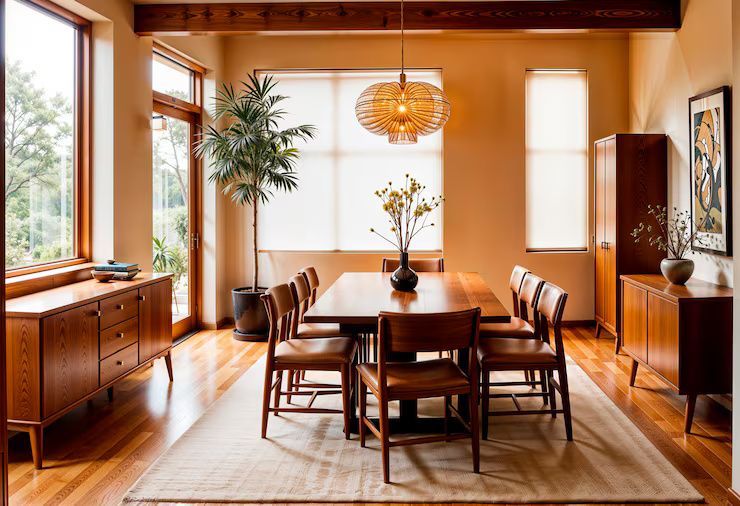
Importance: Why Dining Room Furniture Matters Today
Dining room furniture remains important because it shapes how people interact within a shared space. Beyond eating, dining areas often function as places for conversation, work, learning, and celebration.
Dining room furniture matters today because it:
-
Supports comfortable and organized shared meals
-
Encourages social interaction and family bonding
-
Adapts to changing home layouts and lifestyles
-
Reflects cultural traditions and modern design values
This topic affects homeowners, interior designers, architects, and families. Well-designed dining furniture helps solve common challenges such as limited space, changing household sizes, and the need for multifunctional rooms. Furniture that balances comfort, proportion, and durability contributes to both usability and visual harmony.
In modern homes, dining furniture often bridges traditional values of togetherness with contemporary needs for flexibility and efficiency.
Recent Updates: Dining Furniture Trends from the Past Year
During 2024 and early 2025, dining room furniture trends reflected broader shifts in interior design and lifestyle habits. One noticeable trend in early 2024 was the continued blending of traditional and modern styles. Design discussions highlighted transitional furniture that combines classic forms with simplified lines.
In mid-2024, there was increased focus on space-efficient dining solutions. Extendable tables, compact seating, and adaptable layouts were frequently mentioned in design analysis, responding to smaller urban living spaces and flexible home use.
By late 2024 and into 2025, natural materials and warm finishes gained renewed attention. Wood textures, neutral tones, and understated detailing were commonly discussed as ways to create inviting dining environments. At the same time, modern designs emphasized clean silhouettes and minimal ornamentation.
Another recent development was the growing interest in multifunctional dining areas. Furniture designed to support dining, working, and social activities reflected changing daily routines and hybrid home usage.
Laws and Policies: Standards Affecting Dining Room Furniture
Dining room furniture is influenced indirectly by safety standards, material regulations, and environmental guidelines rather than design-specific laws. These frameworks ensure that furniture used in homes meets basic safety and quality expectations.
Furniture standards in many countries address structural stability, load-bearing capacity, and material safety. These guidelines help reduce risks related to tipping, breakage, or material-related concerns.
Environmental policies also play a role. Regulations related to sustainable material sourcing, emissions, and waste management influence how furniture is produced and documented. While consumers focus on aesthetics and comfort, these policies provide a foundation for responsible manufacturing and long-term use.
In residential contexts, building and housing guidelines may influence dining room layouts, indirectly shaping furniture dimensions and placement.
Tools and Resources: Planning and Understanding Dining Furniture
Several educational and planning tools help individuals understand dining room furniture styles and layout considerations. These resources support informed and practical decision-making.
Helpful tools and references include:
-
Room layout planners for table and seating placement
-
Measurement guides for dining space proportions
-
Interior design style references and visual catalogs
-
Ergonomic seating guidelines for dining chairs
-
Educational articles on traditional and modern furniture design
The table below outlines common dining room furniture elements and their general role:
| Furniture Element | Primary Function | Design Focus |
|---|---|---|
| Dining table | Central surface for meals | Proportion and durability |
| Dining chairs | Seating comfort | Ergonomics and style |
| Sideboards | Storage and serving support | Organization |
| Display cabinets | Storage and presentation | Visual balance |
| Benches | Flexible seating option | Space efficiency |
These tools and resources help align furniture selection with space, usage, and aesthetic goals.
Frequently Asked Questions About Dining Room Furniture
What defines traditional dining room furniture?
Traditional dining furniture often features solid materials, detailed craftsmanship, and classic proportions influenced by historical styles.
How is modern dining room furniture different?
Modern dining furniture emphasizes clean lines, simplicity, and functional design, often using lighter forms and mixed materials.
Can traditional and modern styles be combined?
Yes, many dining spaces successfully blend traditional and modern elements to create balanced, transitional interiors.
Why is table size important in dining room design?
Proper table size ensures comfortable seating, movement, and visual balance within the dining area.
Is dining room furniture still relevant in open-plan homes?
Yes, dining furniture helps define shared spaces and supports social interaction even in open-plan layouts.
Conclusion: Dining Room Furniture as a Reflection of Lifestyle
Dining room furniture reflects how people live, gather, and interact within their homes. From traditional designs rooted in craftsmanship to modern styles shaped by flexibility and simplicity, dining furniture continues to evolve alongside social and spatial changes.
Understanding the context, importance, recent trends, regulatory influences, and planning resources allows readers to view dining room furniture as more than functional objects. They are integral elements of daily life that support connection, comfort, and cultural expression, making them a lasting part of residential interior design.