Lounge Bench Variations: Complete Guide to Styles, Materials, and Modern Design Ideas
A lounge bench is a seating furniture piece designed for comfort, relaxation, and aesthetic appeal in both indoor and outdoor environments. Unlike traditional chairs or sofas, lounge benches typically feature elongated seating surfaces that accommodate multiple users while maintaining a minimalist structure. They are commonly found in residential living rooms, office waiting areas, hotel lobbies, public parks, and hospitality environments.
The concept of lounge seating dates back to early furniture traditions, where benches were used for communal seating in homes and public spaces. Over time, this simple design evolved into modern lounge benches that combine ergonomics, innovative materials, and interior design principles.
Today, lounge benches are available in a wide range of styles and materials. These variations are influenced by architectural trends, sustainability practices, and advancements in furniture manufacturing technologies.
Common Types of Lounge Benches
Common lounge bench categories include:
- Upholstered lounge benches
- Wooden lounge benches
- Metal frame lounge benches
- Modular lounge seating benches
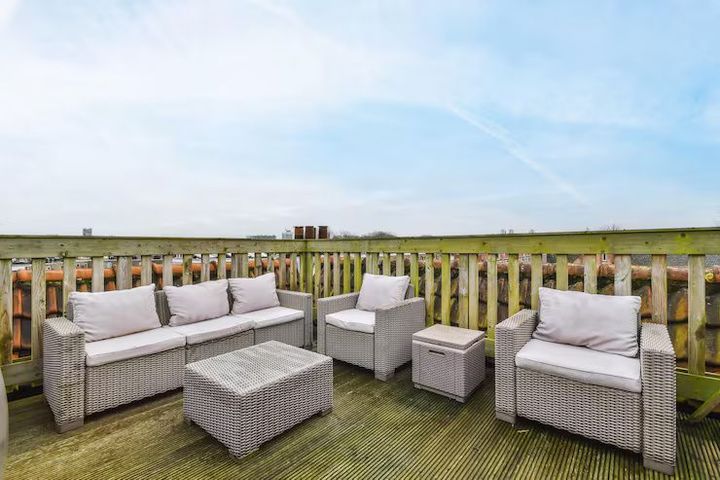
- Outdoor lounge benches
Each type offers unique advantages depending on the environment. In interior design, lounge benches function as both seating solutions and decorative elements.
Why Lounge Bench Designs Matter in Modern Interior Planning
Lounge benches play a significant role in contemporary interior design and space planning. Their flexible structure allows them to fit into homes, offices, hospitality environments, and public infrastructure.
In residential spaces, they help create relaxed seating areas in living rooms, entryways, and balconies. Designers use them to improve visual flow while maintaining functionality.
Use in Commercial Spaces
In commercial environments, lounge benches are commonly used in:
- Airport waiting areas
- Corporate reception spaces
- Healthcare facilities
- Hospitality lounges
- Educational campuses
These seating solutions help maximize space efficiency and accommodate multiple users effectively.
Key Benefits in Interior Design
Modern lounge benches address several practical challenges:
- Space optimization in compact areas
- Flexible seating arrangements
- Integration with modern aesthetics
- Improved comfort for shared seating
Modular systems allow designers to create adaptable layouts for coworking spaces and collaborative environments. They can be easily reconfigured as needs change.
Features of Modern Lounge Benches
Modern designs often include:
- Contoured seating surfaces
- High-density cushioning
- Sustainable materials
- Integrated storage or charging ports
These features highlight the growing connection between furniture design, technology, and user experience.
Recent Developments and Design Trends
Furniture design continues to evolve as designers experiment with materials and technologies. Recent trends reflect changing user needs and environmental concerns.
Sustainability has become a major focus in 2024 and 2025. Designers are increasingly using recycled wood, eco-friendly fabrics, and responsibly sourced materials.
Emerging Innovations
Recent innovations in lounge bench design include:
- Smart benches with USB charging ports
- Acoustic benches for noise reduction
- Lightweight aluminum frames for outdoor use
- Hybrid designs with built-in storage
Technology such as CAD and digital prototyping allows designers to test ergonomics before manufacturing. This improves both comfort and production efficiency.
Industry Trends
The demand for adaptable seating has increased due to hybrid work environments. Offices now require flexible furniture solutions that support collaboration and mobility.
Outdoor lounge benches are also gaining popularity as cities expand public and recreational spaces. These trends emphasize multifunctionality and durability.
Regulations and Policies Affecting Furniture Design
Furniture design is influenced by safety standards, environmental regulations, and certification programs. These ensure that products are safe, durable, and environmentally responsible.
Several international standards apply to lounge benches:
- ISO standards for structural safety
- ANSI/BIFMA standards for commercial performance
- EU REACH regulations for chemical safety
- RoHS compliance for electronic components
Regulatory Considerations
Furniture used in public spaces must meet strict requirements, including durability and fire resistance. These standards help protect users and improve product quality.
Regulatory Overview Table
| Regulation Area | Purpose |
|---|---|
| Structural testing | Ensures stability and weight capacity |
| Fire safety standards | Reduces risk in public environments |
| Environmental compliance | Limits hazardous chemicals |
| Accessibility guidelines | Supports inclusive furniture design |
Public institutions often follow additional procurement guidelines to ensure accessibility and long-term durability. Sustainability programs also promote eco-friendly production methods.
Helpful Tools and Resources for Furniture Design
Designers use digital tools and resources to plan lounge bench layouts and materials. These tools support visualization, analysis, and efficient project execution.
Interior Design Software
Common tools include:
- SketchUp
- AutoCAD
- Revit
- Blender
These platforms allow detailed modeling and layout simulations.
Material and Sustainability Resources
Designers rely on:
- Material ConneXion
- Mindful Materials database
- Sustainable Furnishings Council resources
These resources help evaluate environmental impact and material performance.
Design Planning Table
| Design Factor | Consideration |
|---|---|
| Material durability | Wood, steel, aluminum, fabric |
| Comfort level | Cushion density and seat depth |
| Environment | Indoor or outdoor placement |
| Style compatibility | Modern, minimalist, traditional |
These tools and frameworks help designers make informed decisions when selecting lounge bench designs.
Frequently Asked Questions
What is a lounge bench used for?
A lounge bench is used for comfortable seating in shared environments such as homes, offices, and public spaces. It combines functionality with design appeal.
What materials are commonly used?
Common materials include wood, metal, upholstered fabrics, leather, and composite materials. These are selected for durability and aesthetics.
How are lounge benches different from traditional benches?
Lounge benches focus more on comfort and visual appeal. They often include cushions and ergonomic designs.
Where are lounge benches commonly placed?
They are used in homes, hotels, offices, parks, and transportation hubs. Their versatility makes them suitable for many environments.
Are they suitable for outdoor use?
Yes, outdoor lounge benches are made from weather-resistant materials such as treated wood and aluminum. These materials ensure durability in outdoor conditions.
Conclusion
Lounge bench designs represent an important aspect of modern furniture. They combine functionality, comfort, and visual appeal across various environments.
From residential interiors to public infrastructure, these benches enhance seating arrangements while contributing to design aesthetics. Their adaptability makes them valuable in both private and commercial spaces.
Recent innovations in sustainability, modular design, and digital tools have expanded their potential. At the same time, safety and environmental regulations continue to guide responsible production.
Understanding lounge bench variations helps designers and users make informed decisions. As interior spaces evolve, these benches will remain a practical and versatile design element.