Custom furniture is designed to meet specific space, style, and functional requirements. It is tailored to fit unique room dimensions and individual preferences, unlike standard furniture that follows fixed sizes.
This concept is especially relevant in modern living, where homes and offices vary widely in layout and usage. Custom solutions help optimize space while maintaining aesthetic appeal.
How Custom Furniture Is Created
The process of designing custom furniture involves several structured steps. Each stage ensures precision and alignment with user needs.
-
Assessing space dimensions and layout
-
Selecting materials such as wood, metal, or engineered boards
-
Designing structure and functionality
-
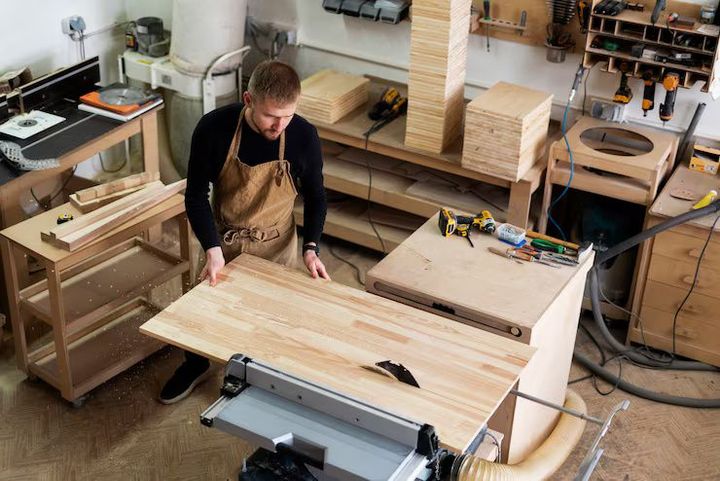
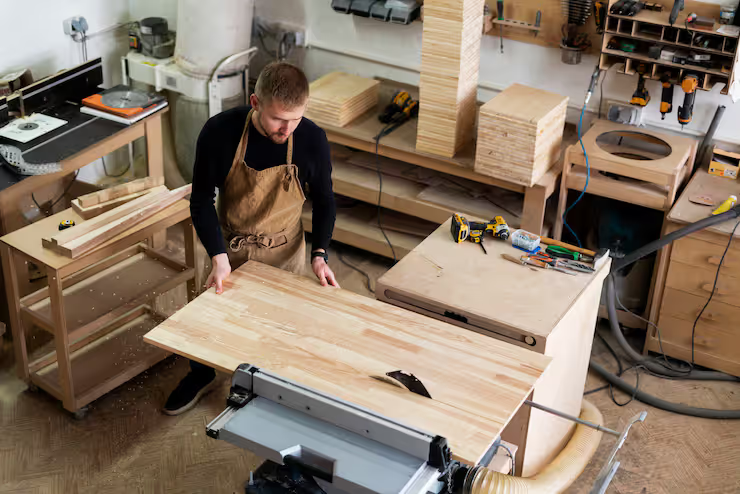
Crafting and assembling based on exact specifications
Custom furniture is widely used in homes, offices, hospitality settings, and commercial spaces. It supports both decorative and functional purposes.
Why Custom Furniture Matters in Modern Living
Custom furniture plays a key role in addressing modern lifestyle challenges. Urbanization and compact living spaces have increased the need for efficient and adaptable designs.
It helps homeowners and designers create functional spaces without compromising on style.
Key Benefits
-
Efficient use of limited space in urban apartments
-
Improved organization with built-in storage
-
Alignment with modern interior design trends
-
Enhanced functionality for specific needs
-
Long-term usability due to precise construction
Custom furniture also contributes to sustainability and accessibility. It reduces material waste and can be adapted for elderly or differently-abled individuals.
Standard vs Custom Furniture Comparison
| Feature | Standard Furniture | Custom Furniture |
|---|
| Fit to Space | Generalized | Precise and tailored |
| Design Flexibility | Limited | High |
| Functionality | Basic | Multifunctional |
| Material Selection | Predefined | Customizable |
This comparison highlights why custom furniture is often preferred for modern interiors.
Recent Trends and Developments (2025)
The custom furniture industry has evolved significantly in 2025. Innovations focus on efficiency, sustainability, and personalization.
These trends reflect changing consumer preferences and technological advancements.
Smart Furniture Features
-
Built-in charging ports and wireless charging surfaces
-
Adjustable desks with automated height control
-
Integrated lighting systems
Sustainable Material Usage
-
Reclaimed wood
-
Bamboo and eco-friendly composites
-
Low-emission finishes
Modular and Space-Saving Designs
-
Wall-mounted foldable desks
-
Hidden storage compartments
-
Convertible furniture like sofa beds and extendable tables
Digital tools now allow users to preview furniture designs using 3D visualization before production.
Trend Distribution Overview
| Trend Category | Growth Level (2025) |
|---|
| Smart Furniture | High |
| Sustainable Materials | High |
| Modular Designs | Moderate |
| Minimalist Aesthetics | High |
These trends indicate a shift toward smarter and more efficient living environments.
Regulations and Policies Affecting Custom Furniture
Custom furniture production is guided by various regulations to ensure safety and sustainability. These standards differ by region but share common objectives.
In India, regulations focus on quality, environmental impact, and safety compliance.
Key Regulatory Aspects
-
Bureau of Indian Standards (BIS) guidelines
-
Environmental rules on wood sourcing and emissions
-
Fire safety standards for commercial furniture
Global Compliance Standards
-
Formaldehyde emission limits for engineered wood
-
FSC (Forest Stewardship Council) certifications
-
Workplace safety regulations in manufacturing
Compliance ensures safer indoor environments and durable products. It also promotes environmentally responsible practices.
Tools and Resources for Custom Furniture Planning
Modern tools have simplified the process of designing custom furniture. They improve accuracy and help visualize outcomes before production.
These tools support both professionals and individual users.
Common Tools Used
-
3D interior design software
-
CAD (Computer-Aided Design) tools
-
Material selection guides
-
Space planning calculators
-
Augmented reality (AR) apps
Typical Workflow
-
Measure available space
-
Create a digital layout
-
Select materials and finishes
-
Simulate placement using AR or 3D tools
-
Finalize specifications
These resources reduce errors and improve planning efficiency.
Common Types of Custom Furniture and Their Uses
Custom furniture is categorized based on its function and application. Each type serves a specific purpose in optimizing space and usability.
It is especially useful in compact and multifunctional environments.
Popular Types
-
Built-in wardrobes and storage units
-
Modular kitchen cabinets
-
Foldable beds and space-saving furniture
-
Office desks and ergonomic chairs
-
Entertainment units and shelving systems
Space-Saving Furniture Examples
| Furniture Type | Key Benefit |
|---|
| Foldable Bed | Saves floor space |
| Wall-Mounted Desk | Ideal for small rooms |
| Storage Ottoman | Combines seating and storage |
| Extendable Dining Table | Adjustable for different needs |
These designs enhance functionality without overcrowding the space.
Frequently Asked Questions
What is custom furniture?
Custom furniture is designed to meet individual requirements in terms of size, style, and functionality. It differs from standard furniture by offering personalized solutions.
How does custom furniture improve space utilization?
It fits precisely into available spaces and often includes multifunctional features. This helps maximize usability in both small and large areas.
What materials are commonly used?
-
Solid wood
-
Plywood
-
MDF
-
Metal
-
Glass
-
Eco-friendly composites
Is it suitable for small homes?
Yes, custom furniture is ideal for compact spaces. It allows for efficient layouts with features like hidden storage and foldable designs.
What are current design trends?
-
Smart furniture integration
-
Sustainable materials
-
Modular designs
-
Minimalist aesthetics
Key Insights on Craftsmanship and Design
Craftsmanship is essential in custom furniture production. It ensures durability, precision, and visual appeal.
Modern techniques combine traditional skills with advanced technology.
Important Craftsmanship Factors
-
Strong joinery techniques
-
High-quality surface finishing
-
Appropriate material selection
-
Ergonomic design for comfort
Design Considerations
-
Proper proportion and scale
-
Color coordination with interiors
-
Functional requirements like storage or mobility
Balancing aesthetics and functionality is key to achieving effective results.
Conclusion
Custom furniture offers a flexible and practical solution for modern interiors. It supports efficient space usage, personalized design, and improved functionality.
With trends like smart features, sustainability, and modular systems, it continues to evolve alongside changing lifestyles. Understanding these concepts helps individuals create comfortable and well-organized living spaces.