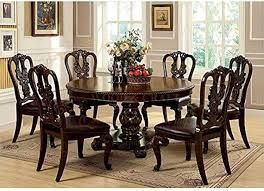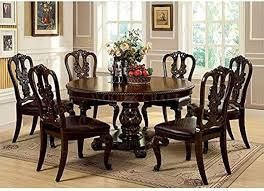
Vintage Dining Table: Guide to Antique Styles and Historic Dining Room Trends
A vintage dining table is more than a functional piece of furniture.
It reflects craftsmanship, design traditions, and cultural influences that have evolved over many decades. Many homeowners and interior designers appreciate vintage and antique furniture because it preserves historical design elements while remaining useful in modern living spaces.
The term vintage dining table generally refers to dining tables inspired by or originating from previous decades, often featuring distinctive materials, finishes, and construction techniques. An antique dining table is typically associated with furniture that has significant historical age and represents design styles from earlier centuries.
Throughout history, dining rooms have served as important gathering spaces for families and guests. As a result, antique dining room furniture often reflected social customs, architectural trends, and available materials. Traditional woodworking methods, hand-carved details, and durable construction contributed to the long lifespan of many historic pieces.
One of the most recognized examples is the antique oak dining table. Oak became popular because of its strength, attractive grain patterns, and ability to withstand regular use. Other materials commonly found in historic dining furniture include walnut, mahogany, cherry, and maple.
Today, interest in vintage furniture continues due to its connection to historical design, craftsmanship, and sustainability. Many people also explore custom vintage dining table designs that combine traditional aesthetics with modern functionality.
Common Historic Dining Table Styles
Several dining table styles have influenced furniture design over time:
- Victorian style features decorative carvings, curved legs, and elaborate detailing.
- Edwardian style often emphasizes lighter proportions and elegant craftsmanship.
- Arts and Crafts style focuses on simplicity, solid wood construction, and visible joinery.
- Mid-century modern style highlights clean lines, minimal ornamentation, and practical design.
- Farmhouse style incorporates rustic materials and sturdy construction.
These styles continue to influence contemporary furniture collections and restoration projects.
Materials Used in Historic Dining Furniture
Many historic dining tables were built using durable hardwoods. A solid wood vintage dining table often remains functional for generations due to the quality of its materials.
| Material | Common Characteristics | Historical Usage |
|---|---|---|
| Oak | Strong, durable, visible grain | Traditional dining furniture |
| Mahogany | Rich color, fine texture | Formal dining rooms |
| Walnut | Dark appearance, smooth finish | Decorative furniture |
| Cherry | Warm tones, ages gracefully | Colonial-inspired designs |
| Maple | Dense wood, light color | Everyday household furniture |
Importance
Vintage and antique dining furniture remains relevant because it connects modern households with historical craftsmanship and design traditions.
Preserving Historical Design
Many antique dining room furniture pieces showcase construction techniques that are less common in mass-produced furniture. Hand-cut joints, detailed carvings, and traditional finishing methods provide insight into historical manufacturing practices.
Supporting Sustainable Furniture Use
Furniture that remains usable for decades reduces the need for frequent replacement. A well-maintained antique dining table may continue serving its purpose long after many contemporary products have reached the end of their lifespan.
Enhancing Interior Design Variety
Modern interiors often combine traditional and contemporary elements. A luxury vintage dining table can introduce visual contrast and character within minimalist or modern spaces.
Meeting Different Household Needs
Dining tables are available in many configurations, including:
- Extendable tables for flexible seating arrangements.
- Round tables for smaller rooms.
- Rectangular tables for larger gatherings.
- Vintage dining table set collections that include matching chairs and storage pieces.
This variety allows homeowners to select furniture that fits both practical and aesthetic requirements.
Recent Updates
Interest in historic and vintage-inspired furniture has continued to grow between 2024 and 2026. Rather than focusing exclusively on original antiques, many consumers have explored reproductions and restored furniture pieces that reflect traditional styles.
Increased Interest in Solid Wood Construction
Furniture made from engineered materials remains common, but there has been renewed attention toward solid wood vintage dining table designs. Durability, repairability, and natural appearance are frequently cited reasons for this trend.
Growth of Mixed-Era Interiors
Interior design trends increasingly combine furniture from different periods. A historic dining table may be paired with contemporary lighting, modern textiles, or minimalist décor.
Customization and Restoration
The popularity of the custom vintage dining table has expanded as homeowners seek furniture tailored to specific room dimensions and design preferences. Restoration workshops and furniture specialists also continue to refurbish older dining tables rather than replacing them.
Demand for Premium Craftsmanship
Interest in luxury dining room furniture and high end dining furniture remains associated with detailed craftsmanship, quality materials, and long-term durability. Consumers often evaluate construction quality, wood selection, and finishing techniques when comparing furniture styles.
Digital Research and Marketplaces
Online platforms have improved access to information about historical furniture styles. Detailed photographs, digital catalogs, and virtual room-planning tools help individuals understand furniture dimensions and design characteristics before making decisions.
Laws or Policies
The regulation of antique and vintage furniture varies by country. Several rules may affect ownership, transportation, restoration, and international trade of historical furniture.
Cultural Heritage Regulations
Some countries maintain laws that protect historically significant antiques. Furniture with cultural or historical importance may require documentation before being exported or transferred internationally.
Wood and Material Regulations
Certain antique furniture pieces contain wood species that are protected under environmental regulations. Documentation may be necessary when transporting furniture made from restricted materials across borders.
Consumer Product Safety Requirements
Restored furniture may need to comply with modern safety standards in certain situations. These requirements can relate to structural stability, finishes, or materials used during restoration.
Environmental Policies
Many governments encourage sustainable consumption practices. Reusing and restoring furniture aligns with broader environmental goals that aim to reduce waste and extend product lifecycles.
Because regulations differ across regions, requirements may vary depending on the age, origin, and materials of a particular dining table.
Tools and Resources
Several tools and resources can help people learn more about historic dining furniture.
Furniture Identification Databases
Museum collections, historical archives, and furniture databases provide information about design periods, construction methods, and decorative styles.
Room Planning Applications
Digital room planners help users visualize furniture placement and compare table dimensions within available space.
Useful features often include:
- Floor plan creation
- Measurement tools
- Furniture placement simulations
- Scale comparisons
Restoration Guides
Books, online tutorials, and woodworking references explain traditional restoration techniques and maintenance practices for antique dining tables.
Auction and Valuation Platforms
Historical auction records can provide insight into furniture categories, manufacturing periods, and stylistic characteristics.
Heritage and Museum Resources
Museums and preservation organizations frequently publish educational materials related to furniture history, craftsmanship, and historical interiors.
FAQs
What is the difference between a vintage dining table and an antique dining table?
A vintage dining table generally comes from a previous design era and reflects older styles. An antique dining table is typically much older and is often associated with historical significance or traditional craftsmanship.
Why is an antique oak dining table still popular today?
An antique oak dining table is valued for its durability, attractive wood grain, and long history of use in dining room furniture. Oak remains one of the most recognized materials in traditional furniture making.
What materials are commonly used in a solid wood vintage dining table?
Common materials include oak, walnut, cherry, maple, and mahogany. These hardwoods have historically been used because of their strength and appearance.
What is included in a vintage dining table set?
A vintage dining table set often includes a dining table and matching chairs. Some collections may also include sideboards, cabinets, or display furniture designed for dining rooms.
How does a custom vintage dining table differ from standard furniture?
A custom vintage dining table is typically designed according to specific dimensions, materials, finishes, or historical style preferences. Customization allows furniture to fit particular room layouts and design goals.
Conclusion
Vintage and antique dining furniture reflects centuries of design development, craftsmanship, and cultural traditions. From the antique oak dining table to modern interpretations of luxury vintage dining table styles, these furnishings continue to play an important role in residential interiors. Interest in solid wood construction, restoration, and historical design remains strong as people explore durable and visually distinctive furniture options. Understanding materials, styles, regulations, and available resources can help individuals appreciate the historical significance of antique dining room furniture and related dining room trends.