Discover Solitaire Rings: Tips, Suggestions, and Classic Jewellery Ideas
Solitaire rings are a classic form of jewellery design defined by a single central gemstone, usually set on a simple band. The concept has existed for centuries, with early versions appearing in European aristocratic traditions where a single stone symbolized focus, clarity, and lasting value. Over time, solitaire rings became closely associated with engagement traditions, but their use extends beyond that purpose.
The simplicity of solitaire rings highlights the natural features of the gemstone, such as its cut, clarity, and color. Unlike multi-stone designs, the attention remains on one focal point, which makes the design both timeless and adaptable. Today, solitaire rings are available in a wide variety of materials, shapes, and settings, making them relevant across different cultures and personal styles.
Understanding solitaire rings involves more than appearance. It includes knowledge of gemstone types, ring settings, and how design influences durability and comfort. This broader perspective helps explain why solitaire jewellery continues to remain relevant across generations.
Importance
Solitaire rings play a significant role in modern jewellery choices because they balance simplicity with meaning. Many people prefer designs that are not overly complex, especially for everyday wear. The single-stone structure makes solitaire rings easier to maintain and versatile enough to match different occasions.
Another reason for their importance is adaptability. Solitaire rings can be customized based on personal preferences such as metal type, gemstone size, and band thickness. This flexibility allows individuals to select designs that reflect their identity without requiring intricate or heavy styling.
There are also practical considerations. A single gemstone reduces the chances of stones loosening or falling out compared to multi-stone rings. This makes solitaire rings more suitable for long-term use, especially in daily routines.
Common challenges addressed by solitaire ring designs include:
- Durability concerns: Fewer components reduce structural complexity.
- Maintenance simplicity: Cleaning and care are easier with a single stone.
- Style versatility: Suitable for both formal and casual settings.
- Symbolic meaning: Often associated with commitment, focus, or individuality.
These factors contribute to the ongoing relevance of solitaire rings in jewellery collections worldwide.
Recent Updates
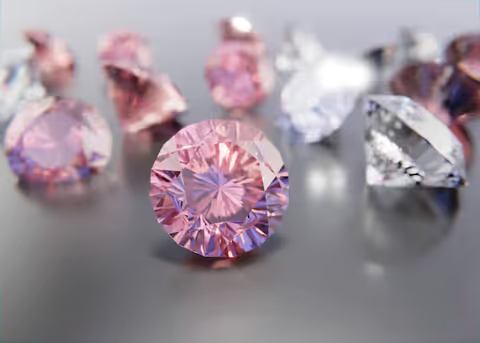
In recent years, solitaire rings have seen subtle but meaningful changes in design and production. One noticeable trend is the growing interest in alternative gemstones. While diamonds remain widely recognized, other stones such as sapphires, emeralds, and moissanite are increasingly used in solitaire settings.
Another development is the rise of sustainable and ethically sourced materials. Consumers are showing more awareness about how gemstones and metals are obtained. As a result, there is increased attention to traceability and responsible sourcing practices within the jewellery industry.
Design trends have also evolved. Minimalist bands with unique textures, such as matte finishes or hammered surfaces, are becoming more common. Additionally, hidden details—like small accent stones beneath the main setting—are being incorporated without changing the classic solitaire appearance.
Technology has also influenced the design process. Digital tools allow for precise customization, enabling individuals to visualize different ring styles before finalizing a design. This has expanded access to personalized jewellery without requiring traditional design methods.
Laws or Policies
The jewellery industry, including solitaire rings, is influenced by various regulations that ensure transparency and consumer protection. These rules vary by country, but several common principles apply.
One key area is hallmarking. Many countries require precious metals such as gold, silver, and platinum to be tested and marked for purity. This helps consumers understand the composition of the ring they are acquiring.
Another important regulation relates to gemstone disclosure. Sellers are typically required to inform buyers if a gemstone has been treated or enhanced in any way. This ensures clarity about the characteristics and durability of the stone.
Import and export regulations also play a role, especially for diamonds. International frameworks like the Kimberley Process aim to prevent the trade of conflict diamonds by requiring certification of origin.
In addition, consumer protection laws often cover:
- Accurate labeling of materials
- Clear representation of gemstone quality
- Transparent pricing structures
- Return and warranty policies
These regulations contribute to a more informed and secure environment for individuals exploring solitaire rings.
Tools and Resources
Several tools and resources can help individuals better understand solitaire rings and make informed decisions. These tools focus on education, comparison, and visualization rather than promotion.
Online Ring Size Guides
Many jewellery websites provide printable or interactive ring size guides. These tools help individuals measure their finger size accurately at home.
Gemstone Comparison Charts
Educational platforms often include charts that compare different gemstones based on hardness, appearance, and durability. These charts can clarify differences between diamonds and alternative stones.
3D Visualization Tools
Some platforms allow users to design solitaire rings digitally. Users can adjust the band, setting, and gemstone shape to see how different combinations appear.
Jewellery Care Guides
Maintenance resources explain how to clean and store solitaire rings properly. These guides often include step-by-step instructions for preserving shine and preventing damage.
Below is a simple comparison table of common gemstone options used in solitaire rings:
| Gemstone | Hardness (Mohs Scale) | Common Colors | Durability Level |
|---|---|---|---|
| Diamond | 10 | Clear, yellow, blue | Very High |
| Sapphire | 9 | Blue, pink, yellow | High |
| Emerald | 7.5–8 | Green | Moderate |
| Moissanite | 9.25 | Clear | High |
This table highlights how different gemstones vary in strength and appearance, which can influence long-term wear and maintenance.
FAQs
What are solitaire rings and why are they popular?
Solitaire rings feature a single central gemstone, typically set on a plain band. Their popularity comes from their simple design, which highlights the gemstone and allows for versatile use across different occasions.
How do I choose the right gemstone for solitaire rings?
Choosing a gemstone depends on factors such as durability, color preference, and intended use. Harder stones like diamonds and sapphires are generally more suitable for daily wear due to their resistance to scratches.
Are solitaire rings only used for engagements?
No, solitaire rings are not limited to engagement purposes. They are also worn as fashion jewellery, anniversary gifts, or personal accessories that reflect individual style.
What settings are commonly used in solitaire rings?
Common settings include prong, bezel, and tension settings. Each setting affects how the gemstone is held and how much light enters the stone, influencing both appearance and security.
How should solitaire rings be maintained?
Regular cleaning with mild soap and water helps maintain the ring’s appearance. It is also important to store the ring separately to avoid scratches and to check the setting periodically for any signs of loosening.
Conclusion
Solitaire rings remain a widely recognized jewellery design due to their simplicity, adaptability, and symbolic value. Their single-stone structure allows for a clear focus on the gemstone while supporting a variety of personal styles. Recent trends highlight changes in materials, design preferences, and technology, reflecting evolving consumer awareness. Understanding the basic features, regulations, and available resources can help individuals explore solitaire rings with greater clarity. These factors contribute to their continued relevance in both traditional and modern contexts.