Ear Cuffs Overview: Everything About Modern Ear Jewelry
Ear cuffs have become a popular form of modern ear jewelry because they add style without always requiring additional ear piercings. Available in a wide variety of shapes, finishes, and designs, ear cuffs allow people to experiment with different fashion looks while maintaining comfort and flexibility. Whether worn alone or paired with earrings, they have become a recognizable accessory in everyday fashion as well as special occasions.
This ear cuffs overview explains the history, purpose, materials, styling options, and current developments surrounding this unique jewelry category. As modern ear jewelry continues to evolve, understanding its features, care requirements, and industry standards helps consumers make informed decisions while appreciating both fashion and craftsmanship.
Context
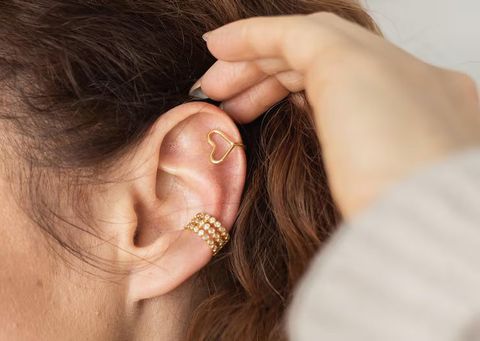
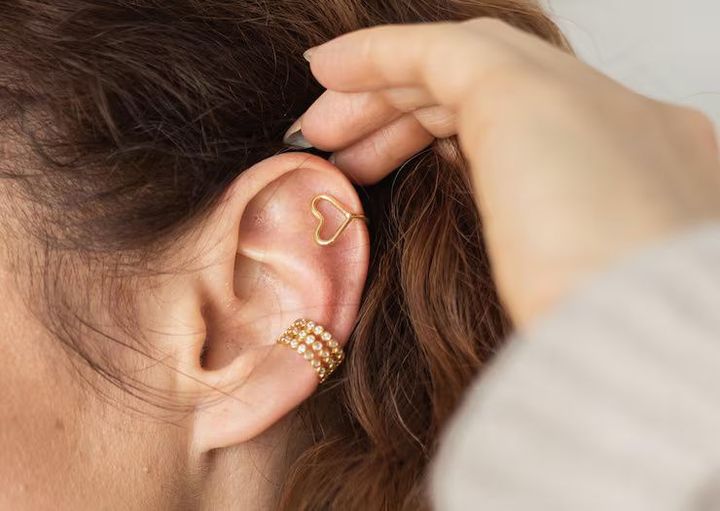
Ear cuffs are decorative jewelry pieces designed to fit around the outer edge of the ear. Unlike traditional earrings, many ear cuffs stay in place through gentle pressure rather than requiring a piercing. Some styles are designed for pierced ears and combine cuffs with chains or studs, while others can be worn independently.
Historically, ear adornments have appeared in many civilizations across Asia, Europe, Africa, and the Americas. Modern ear jewelry has expanded these traditional ideas by introducing lightweight metals, innovative designs, and improved manufacturing techniques that make ear cuffs more comfortable for everyday wear.
The main purpose of ear cuffs is decorative expression. They provide an alternative way to accessorize without permanently changing one's appearance. Designers create minimalist, geometric, floral, vintage-inspired, and contemporary styles suitable for different preferences.
Types of Ear Cuffs
Common varieties include:
- Non-piercing ear cuffs
- Adjustable ear cuffs
- Chain-connected ear cuffs
- Wrap-around ear cuffs
- Gemstone ear cuffs
- Minimalist metal cuffs
- Sculptural statement cuffs
The materials used often include sterling silver, stainless steel, titanium, brass, gold, platinum, and various gemstones or crystals depending on the design.
| Feature | Ear Cuffs | Traditional Earrings |
|---|---|---|
| Piercing required | Usually no | Usually yes |
| Placement | Outer ear | Earlobe or cartilage |
| Fit | Adjustable in many designs | Fixed through piercing |
| Style flexibility | High | Moderate to high |
| Everyday wear | Depends on comfort and design | Common for many users |
Importance
Ear cuffs play an important role in today's fashion industry because they provide versatility and personalization. They allow individuals to experiment with different looks without making permanent modifications.
Modern ear jewelry appeals to a broad audience, including:
- Fashion enthusiasts
- Jewelry collectors
- Individuals without multiple piercings
- People exploring contemporary accessories
- Designers following seasonal trends
Ear cuffs also demonstrate how jewelry design continues to evolve through advances in materials and manufacturing. Improved metal finishing, lightweight alloys, and precision production techniques have made many modern designs more comfortable for extended wear.
From a cultural perspective, ear jewelry often represents identity, creativity, and personal style. Ear cuffs contribute to this tradition by combining historical inspiration with modern aesthetics.
Recent Updates
The period from 2024 to 2026 has seen continued innovation in ear cuffs and modern ear jewelry. Jewelry designers have introduced collections that emphasize sustainability, customization, and improved comfort.
Design Trends (2024–2026)
Recent developments include:
- Lightweight construction using advanced metal processing
- Recycled precious metals in selected jewelry collections
- Modular ear cuff designs that combine multiple pieces
- Mixed-metal finishes featuring silver and gold tones together
- Nature-inspired textures and sculptural patterns
- Personalized engraving options available through many jewelry brands
Digital technology has also influenced the jewelry industry. Computer-aided design (CAD), 3D modeling, and precision manufacturing help designers create detailed patterns while maintaining consistent quality.
Consumer preferences have shifted toward versatile accessories that transition easily between casual, professional, and formal settings. As a result, many new ear cuff collections focus on simple yet adaptable designs.
Social media, fashion publications, and international runway events continue to influence jewelry trends, introducing new styling combinations and creative ways to wear ear cuffs alongside traditional earrings.
Laws or Policies
Although ear cuffs themselves are fashion accessories, several regulations and industry standards apply to jewelry manufacturing and consumer safety in many countries.
Manufacturers commonly follow regulations concerning:
- Metal purity and hallmark requirements
- Nickel release limitations in applicable regions
- Product labeling standards
- Consumer safety regulations
- Import and export documentation
- Environmental compliance during manufacturing
Many countries require accurate disclosure of precious metal content for items made from gold, silver, platinum, or palladium. Hallmarking systems help verify metal purity where required by national regulations.
Consumer protection authorities may also require truthful labeling regarding gemstone treatments, plated finishes, or synthetic materials.
Environmental regulations increasingly encourage responsible sourcing of metals and improved recycling practices throughout the jewelry supply chain. While policies vary by country, sustainability has become an important consideration for manufacturers and consumers alike.
Individuals with metal sensitivities should review material information before selecting jewelry and may prefer hypoallergenic metals such as titanium or high-quality stainless steel where appropriate.
Tools and Resources
Several educational resources help consumers learn more about ear cuffs, jewelry materials, and proper care.
Useful resources include:
- National hallmarking authority websites
- Government consumer protection agencies
- Jewelry care guides from recognized industry associations
- Precious metal education resources
- Gemstone identification references
- Jewelry sizing guides
Helpful online tools may include:
- Ring and jewelry measurement charts
- Metal purity reference tables
- Gemstone hardness charts
- Jewelry care checklists
- Material comparison guides
When researching modern ear jewelry, it is helpful to compare material durability, maintenance needs, and comfort rather than focusing only on appearance.
FAQs
What are ear cuffs?
Ear cuffs are decorative jewelry pieces that wrap around or clip onto the outer ear. Many designs do not require additional ear piercings.
Are ear cuffs comfortable for daily wear?
Comfort depends on the design, material, and proper fit. A correctly fitted ear cuff should stay secure without applying excessive pressure.
What materials are commonly used in modern ear jewelry?
Common materials include sterling silver, gold, stainless steel, titanium, brass, platinum, and various natural or laboratory-created gemstones.
How should ear cuffs be cleaned?
Most ear cuffs can be cleaned using a soft microfiber cloth. Cleaning methods vary depending on the metal and gemstone, so manufacturer care instructions should be followed.
Are ear cuffs suitable for formal occasions?
Yes. Ear cuffs are available in minimalist, elegant, artistic, and statement designs suitable for casual, business, and formal events.
Conclusion
Ear cuffs represent an important part of modern ear jewelry by combining creativity, flexibility, and contemporary fashion. Their variety of materials, designs, and wearing styles makes them suitable for many personal preferences. Recent developments from 2024 to 2026 highlight improvements in sustainable manufacturing, lightweight construction, and digital design techniques. Understanding jewelry materials, safety standards, and proper care helps individuals appreciate ear cuffs as both fashionable accessories and carefully crafted decorative items.