Electric Mobility Equipment Guide: Learn Basics, Benefits, and Practical Insights
Electric mobility equipment refers to vehicles, tools, and supporting technologies designed to operate using electric power instead of conventional fossil fuels. These systems rely on rechargeable batteries, electric motors, and digital energy management systems to move people or goods.
The concept of electric mobility emerged as governments, researchers, and industries began seeking alternatives to fuel-powered transportation. Rising fuel consumption, environmental concerns, and urban air pollution encouraged the development of low-emission vehicles.
Electric mobility equipment includes a wide range of transportation technologies designed to reduce reliance on fossil fuels. These solutions play a key role in sustainable transportation and smart city planning.
Types of Electric Mobility Equipment
Electric mobility covers several vehicle categories and systems, including:
- Electric cars
- Electric scooters and motorcycles
- Electric bicycles (e-bikes)
- Electric buses and trucks
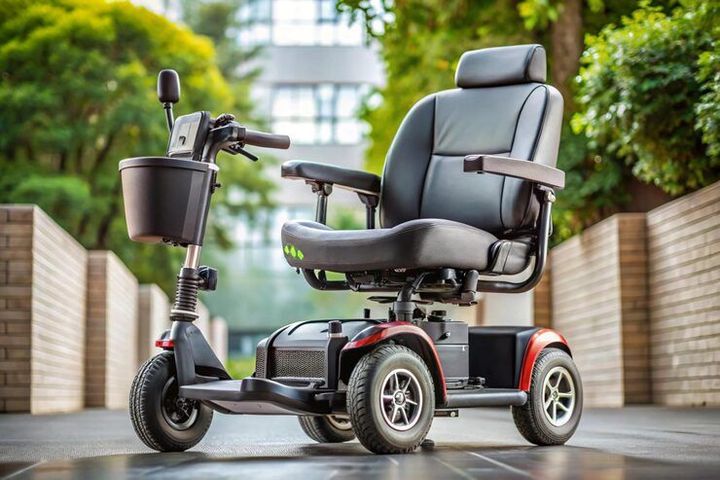
- Mobility scooters for accessibility
- Charging infrastructure and battery systems
These technologies collectively support cleaner and more efficient urban transportation.
Core Technologies in Electric Mobility
Modern electric mobility systems integrate advanced components that improve performance and efficiency. These technologies enable better energy use and system optimization.
Key components include:
- Lithium-ion battery systems
- Electric powertrains
- Smart charging infrastructure
- Energy management software
- Regenerative braking systems
Together, these innovations support environmentally responsible transportation systems.
Why Electric Mobility Equipment Matters Today
Electric mobility equipment has gained importance due to environmental, economic, and technological challenges. Transportation contributes significantly to global emissions, prompting a shift toward cleaner alternatives.
Various groups benefit from this transition, including urban commuters, governments, and logistics industries.
Key Benefits of Electric Mobility
Electric mobility addresses multiple modern challenges through improved efficiency and sustainability.
Environmental Impact
Electric vehicles produce zero tailpipe emissions, helping reduce air pollution. This contributes to better public health and environmental sustainability.
Energy Efficiency
Electric motors are more efficient than traditional combustion engines. They convert energy more effectively, reducing overall energy waste.
Urban Transportation Challenges
Cities face congestion, noise pollution, and environmental degradation. Electric mobility offers quieter and cleaner alternatives to traditional vehicles.
Technological Innovation
Electric mobility supports advancements in battery systems, smart grids, and renewable energy integration.
Comparison: Conventional vs Electric Vehicles
| Feature | Conventional Vehicles | Electric Mobility Equipment |
|---|---|---|
| Energy Source | Fossil fuels | Electricity |
| Emissions | High | Low or none |
| Energy Efficiency | Moderate | High |
| Noise Levels | Higher | Lower |
| Maintenance Complexity | Mechanical-heavy | Electronics-focused |
Electric mobility equipment is shaping the future of sustainable infrastructure.
Recent Developments and Industry Trends
The electric mobility sector has seen rapid advancements in recent years. Innovations in technology and infrastructure are accelerating adoption worldwide.
Growth in Battery Technology (2025)
Battery research continues to evolve, with improvements in energy density and charging speed. These advancements enable longer travel ranges and better efficiency.
Expansion of Charging Infrastructure
Countries have expanded charging networks across cities and highways. Both governments and private organizations are investing in fast-charging stations.
Integration with Renewable Energy
Electric mobility systems are increasingly connected to renewable energy sources such as solar and wind. This helps reduce overall carbon emissions.
Smart Mobility Systems
Artificial intelligence and digital platforms are used to optimize charging, routing, and energy consumption. These systems improve overall efficiency.
Electrification of Public Transport
Many cities have introduced electric buses and transport fleets to reduce emissions in densely populated areas.
Industry Trends Overview
| Year | Key Focus Area |
|---|---|
| 2023 | Charging network expansion |
| 2024 | Battery efficiency improvements |
| 2025 | Smart mobility and AI integration |
These developments reflect a global shift toward cleaner transportation technologies.
Laws, Regulations, and Government Policies
Electric mobility equipment is shaped by various regulations and policies aimed at promoting sustainability. Governments worldwide are supporting adoption through incentives and infrastructure development.
Environmental Regulations
Countries have introduced emission reduction targets aligned with climate agreements. These regulations encourage low-emission technologies.
Vehicle Safety Standards
Electric vehicles must meet strict safety requirements related to batteries and electrical systems. Regulatory agencies ensure safe operation.
Energy and Charging Infrastructure Policies
Policies often focus on expanding charging networks and integrating electric mobility into national energy strategies.
Example: India’s Policy Framework
India introduced the Faster Adoption and Manufacturing of Electric Vehicles (FAME) initiative. This program promotes EV adoption and infrastructure development.
Urban Mobility Planning
Cities implement policies for traffic management and sustainable transport systems. These include clean transport zones and smart mobility strategies.
Tools and Resources for Electric Mobility
Digital tools and resources support planning, research, and adoption of electric mobility systems. These tools help users make informed decisions.
Common Tools
- Electric vehicle range calculators
- Charging station locator platforms
- Battery performance monitoring systems
- Energy consumption analysis tools
- Smart mobility planning software
Resource Categories and Uses
| Tool Category | Purpose |
|---|---|
| Charging network maps | Identify charging stations |
| Energy efficiency calculators | Estimate energy usage |
| Battery monitoring tools | Track battery health |
| Smart mobility dashboards | Analyze transport patterns |
Academic institutions and industry organizations also provide research and educational materials on electric mobility technologies.
Additional Insights into Electric Mobility Technology
Electric mobility systems rely on several interconnected technologies that enhance performance and efficiency.
Electric Powertrain
The electric powertrain replaces the internal combustion engine and converts electrical energy into motion.
Key components include:
- Electric motor
- Battery pack
- Inverter
- Power electronics
Battery Technology
Battery systems determine vehicle performance and durability. Ongoing innovations continue to improve storage capacity and efficiency.
Charging Infrastructure
Charging systems vary based on speed and power levels.
Common types include:
- Standard charging
- Fast charging
- Ultra-fast charging
Digital Connectivity
Modern electric vehicles use software systems to monitor performance and optimize energy usage. These systems also connect vehicles to smart mobility networks.
Frequently Asked Questions
What is electric mobility equipment?
Electric mobility equipment includes vehicles powered by electricity instead of fossil fuels, such as electric cars, e-bikes, and buses.
How do electric vehicles store energy?
Most electric vehicles use rechargeable lithium-ion batteries to store and supply energy to the motor.
Why is electric mobility environmentally friendly?
Electric vehicles produce no tailpipe emissions, reducing air pollution and greenhouse gases.
What is regenerative braking?
Regenerative braking captures energy during braking and converts it into electricity to recharge the battery.
Can electric mobility use renewable energy?
Yes, many charging systems integrate with renewable energy sources like solar and wind power.
Conclusion
Electric mobility equipment represents a major transformation in transportation systems. By replacing fuel-powered engines with electric technologies, it reduces environmental impact and supports sustainable development.
Advancements in battery technology, charging infrastructure, and smart systems are accelerating adoption globally. Governments and industries continue to support this transition through policies and innovation.
As demand for sustainable solutions grows, electric mobility will remain a central component of future transportation systems.