Electric Motorcycle Guide to Understanding Modern Two-Wheel Transportation
The transportation industry is undergoing a significant transformation as electric mobility becomes increasingly common across cities and highways worldwide.
Among the most exciting developments is the rise of the electric motorcycle, which combines modern battery technology, efficient electric motors, and advanced digital systems to create a new generation of two-wheel transportation. These motorcycles offer a different riding experience compared to conventional internal combustion engine models while contributing to broader sustainability initiatives.
Advances in battery design, charging infrastructure, and power electronics have made electric motorcycles more practical for commuting, recreation, and professional applications. Understanding how these vehicles work helps riders, enthusiasts, students, and anyone interested in modern transportation appreciate the technologies behind electric mobility. This electric motorcycle guide explores vehicle components, operating principles, battery systems, charging methods, performance characteristics, practical applications, decision-making considerations, and emerging industry trends.
This article explains electric motorcycle fundamentals, key technologies, performance features, maintenance considerations, and future developments shaping modern two-wheel transportation.
What Is an Electric Motorcycle?
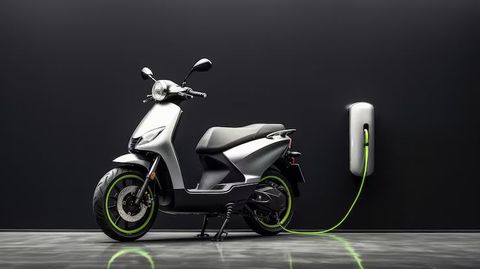
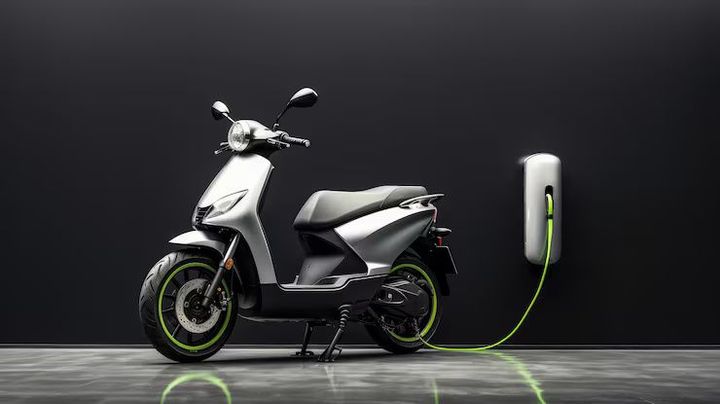
An electric motorcycle is a two-wheeled vehicle powered by an electric motor instead of a conventional gasoline engine.
Energy is stored in rechargeable battery packs that supply electricity to the motor through an electronic control system. The motor converts electrical energy into mechanical motion, driving the motorcycle while delivering smooth and responsive acceleration.
Many electric motorcycles also integrate digital displays, regenerative braking systems, smartphone connectivity, and advanced rider assistance technologies.
These features distinguish electric motorcycles as a modern alternative within the broader transportation landscape.
Main Components of an Electric Motorcycle
Several integrated systems work together to power an electric motorcycle.
Battery Pack
The battery pack stores electrical energy and is commonly based on lithium-ion technology because of its high energy density, long service life, and efficient charging characteristics.
Electric Motor
The electric motor converts electrical energy into rotational motion, providing propulsion with smooth and consistent torque delivery.
Motor Controller
The controller regulates power flow between the battery and motor while managing acceleration, regenerative braking, and overall system efficiency.
Charging System
The charging system allows the battery to be replenished using compatible charging equipment, supporting both home and public charging solutions where available.
Digital Electronics
Modern motorcycles often include digital dashboards, battery monitoring systems, navigation support, ride modes, connectivity features, and diagnostic functions.
How Electric Motorcycles Work
Electric motorcycles operate through a relatively simple energy conversion process.
When the rider accelerates, the battery supplies electricity to the motor controller, which adjusts power delivery based on throttle input.
The controller sends precisely regulated electrical current to the motor, producing rotational force that drives the rear wheel either directly or through a transmission system, depending on the motorcycle's design.
During deceleration, some models use regenerative braking to recover a portion of kinetic energy and return it to the battery, improving overall energy efficiency.
This efficient operating process contributes to the distinctive riding characteristics of electric motorcycles.
Performance Characteristics
Electric motorcycles offer several unique performance features.
Electric motors deliver maximum torque almost immediately, resulting in smooth acceleration from low speeds.
The absence of conventional gear shifting in many models creates a simplified riding experience.
Battery placement often lowers the vehicle's center of gravity, contributing to balanced handling.
Many models also produce significantly lower operating noise than traditional motorcycles, creating a quieter riding environment.
Actual performance varies depending on battery capacity, motor output, vehicle weight, riding conditions, and environmental factors.
Charging and Battery Technology
Battery technology plays a central role in electric motorcycle performance.
Lithium-ion batteries dominate modern designs because they provide favorable energy storage characteristics and relatively long operating life.
Charging methods may include standard home charging equipment or faster charging solutions where supported.
Battery management systems continuously monitor temperature, voltage, and charging conditions to maintain safe operation and optimize battery performance.
Ongoing improvements in battery chemistry continue increasing energy density while supporting shorter charging times and improved durability.
Practical Applications
Electric motorcycles serve a wide range of transportation needs.
Urban commuters often appreciate their smooth operation in city traffic.
Delivery services increasingly incorporate electric motorcycles into local transportation fleets.
Recreational riders enjoy the responsive performance and quiet riding experience.
Educational institutions use electric motorcycles for research and engineering programs focused on sustainable transportation technologies.
Law enforcement agencies and municipal organizations in some regions also incorporate electric motorcycles into specialized operational fleets.
These examples demonstrate the versatility of modern electric motorcycles.
Decision Guide: Choosing an Electric Motorcycle
Selecting the best electric motorcycle depends on intended use, battery capacity, riding range, charging compatibility, motor performance, vehicle weight, maintenance requirements, comfort, and available infrastructure.
Urban commuters often prioritize efficiency, compact dimensions, and convenient charging options, while recreational riders may place greater emphasis on performance, handling, and long-distance capability. Fleet operators may also evaluate durability, charging logistics, and operational efficiency when considering electric motorcycles.
An electric motorcycle comparison generally evaluates battery technology, motor performance, charging systems, riding range, digital features, maintenance requirements, comfort, and overall practicality.
In many cases, motorcycles with balanced battery capacity and efficient power management tend to perform well because they provide a practical combination of range, performance, and everyday usability.
The real difference appears when vehicle characteristics align with the rider's transportation needs and typical riding environment.
Emerging Trends in Electric Motorcycles
Electric motorcycle technology continues evolving rapidly.
Battery research is improving energy density, charging speed, and long-term durability.
Artificial intelligence increasingly supports battery management and predictive maintenance systems.
Connected vehicle technology enables remote diagnostics, software updates, and smartphone integration.
Manufacturers are exploring lightweight materials, aerodynamic improvements, and enhanced regenerative braking systems to increase efficiency.
Growing charging infrastructure and continued investment in electric mobility are expected to support wider adoption of electric motorcycles in the coming years.
These innovations continue shaping the future of two-wheel transportation.
Frequently Asked Questions
1. What is an electric motorcycle?
An electric motorcycle is a two-wheeled vehicle powered by an electric motor and rechargeable battery instead of a conventional gasoline engine.
2. How does an electric motorcycle work?
Electricity stored in the battery powers an electric motor through a controller, which regulates energy delivery based on rider input.
3. What are the main components of an electric motorcycle?
Key components include the battery pack, electric motor, motor controller, charging system, and digital electronics.
4. Why is battery technology important?
Battery technology influences riding range, charging time, overall performance, and long-term durability.
5. What factors should be considered when choosing an electric motorcycle?
Battery capacity, charging options, riding range, motor performance, maintenance needs, comfort, intended use, and available charging infrastructure should all be evaluated.
Conclusion
The electric motorcycle represents an important step in the evolution of modern transportation by combining efficient electric propulsion, advanced battery technology, and intelligent digital systems. Understanding how these vehicles operate, their key components, performance characteristics, and charging methods provides valuable insight into the future of sustainable mobility. This comprehensive electric motorcycle guide highlights how innovation continues improving two-wheel transportation through advances in engineering, connectivity, and energy storage. As electric mobility continues expanding worldwide, electric motorcycles are expected to play an increasingly important role in everyday transportation.