Electrical Panel Basics Explained for Homes, Offices, and Industrial Applications
Electricity powers nearly every aspect of modern life, from household appliances and office equipment to complex industrial machinery.
Behind every reliable electrical system is a central distribution point that safely manages and controls electrical power. An electrical panel performs this essential role by distributing electricity to various circuits while protecting people and equipment from electrical faults. Understanding how an electrical panel works helps homeowners, facility managers, and industry professionals appreciate its importance in maintaining safe and efficient electrical systems.
As buildings become increasingly dependent on advanced electrical equipment and smart technologies, electrical panels continue evolving to provide greater safety, improved energy management, and enhanced system reliability. Whether installed in a home, commercial office, or manufacturing facility, the right panel supports efficient power distribution while simplifying maintenance and future expansion. This electrical panel guide explains the core concepts, major components, applications, and practical considerations involved in understanding modern electrical panels.
This article explores the fundamentals of electrical panels, their main components, operating principles, safety features, applications, decision-making factors, and future industry developments.
What Is an Electrical Panel?
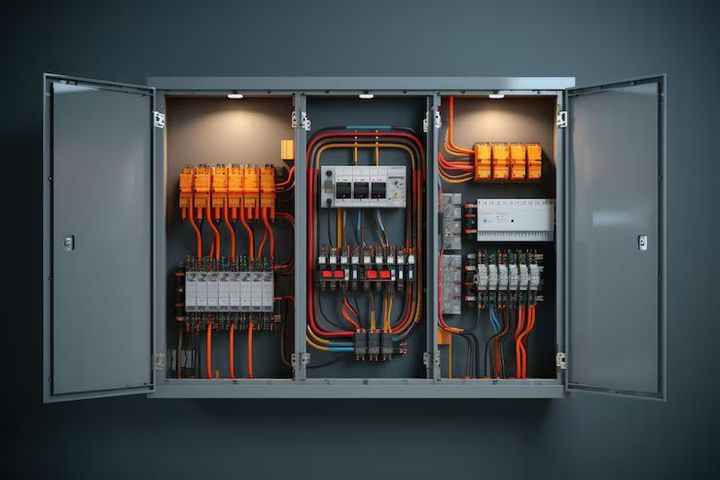
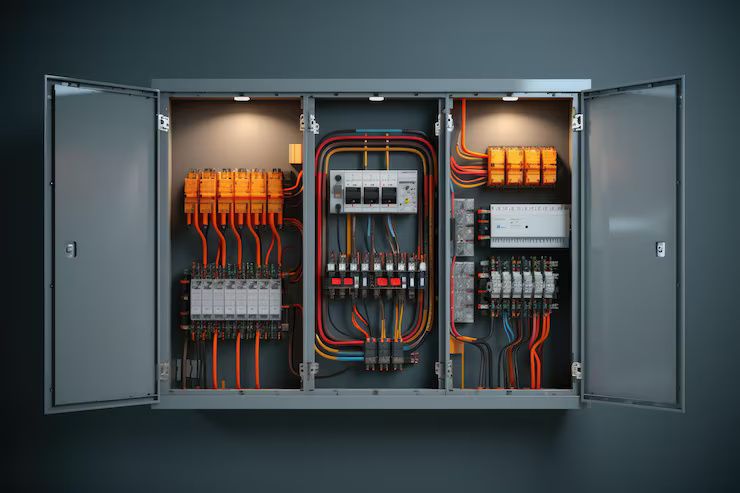
An electrical panel is a centralized enclosure that receives electrical power from the main supply and distributes it safely to multiple circuits throughout a building or facility. It also provides protection by automatically interrupting electrical flow when faults such as overloads or short circuits occur.
Electrical panels are installed in residential homes, office buildings, hospitals, educational institutions, shopping centers, manufacturing plants, warehouses, and infrastructure projects.
Depending on the installation, panels may distribute power to lighting systems, outlets, heating and cooling equipment, machinery, communication systems, and specialized electrical devices.
How an Electrical Panel Works
Electricity enters the electrical panel from the utility supply or another power source before being distributed through individual branch circuits.
Each circuit is protected by a circuit breaker that monitors electrical current. If excessive current flows because of an overload or short circuit, the breaker automatically disconnects the affected circuit to reduce the risk of equipment damage or electrical hazards.
The panel organizes electrical distribution while allowing individual circuits to be isolated for maintenance or troubleshooting without affecting the entire electrical system.
This structured distribution improves both operational safety and maintenance efficiency.
Main Components of an Electrical Panel
Several components work together to ensure reliable electrical distribution.
Main Circuit Breaker
The main breaker controls the electrical supply entering the panel and provides overall protection for the electrical system.
It can disconnect power to all connected circuits when necessary.
Branch Circuit Breakers
Individual circuit breakers protect specific electrical circuits serving lighting, outlets, appliances, machinery, or other equipment.
Each breaker is selected according to the electrical requirements of the connected circuit.
Busbars
Busbars distribute incoming electrical power from the main supply to individual circuit breakers.
They provide efficient electrical connections within the panel while supporting organized power distribution.
Neutral and Ground Bars
Neutral bars provide return paths for electrical current, while ground bars support protective grounding systems that improve electrical safety.
Proper grounding helps reduce the risk of electric shock and equipment damage.
Panel Enclosure
The enclosure protects internal components from dust, accidental contact, and environmental conditions while providing organized access for inspection and maintenance.
Why Electrical Panels Matter
Electrical panels are essential because they combine power distribution with multiple layers of electrical protection.
They help prevent overloaded circuits, reduce fire risks associated with excessive current, and simplify electrical maintenance through clearly organized circuit management.
Panels also support future electrical expansion by allowing additional circuits to be installed when buildings require increased electrical capacity.
Reliable electrical distribution contributes directly to equipment performance, operational continuity, and occupant safety.
Applications Across Different Environments
Electrical panels serve different purposes depending on the installation.
Residential Homes
Residential electrical panels distribute electricity to lighting, kitchen appliances, air conditioning systems, water heaters, entertainment equipment, and household outlets.
Modern homes may also include dedicated circuits for electric vehicle charging, home offices, and renewable energy systems.
Office Buildings
Commercial offices depend on electrical panels to supply power for computers, lighting, communication equipment, elevators, heating and cooling systems, and security infrastructure.
Reliable electrical distribution supports uninterrupted business operations and workplace productivity.
Industrial Facilities
Industrial electrical panels manage power for heavy machinery, production equipment, automation systems, motors, conveyors, pumps, compressors, and process control equipment.
Industrial environments often require larger panels capable of supporting higher electrical loads and complex distribution systems.
Safety Features of Modern Electrical Panels
Safety remains one of the primary functions of every electrical panel.
Circuit breakers automatically respond to overloads and short circuits, reducing the likelihood of equipment damage and electrical fires.
Grounding systems help direct fault currents safely away from equipment and personnel.
Clearly labeled circuits improve maintenance efficiency while reducing the risk of accidental disconnection during servicing.
Many modern panels also incorporate surge protection, monitoring systems, and diagnostic capabilities that improve overall electrical reliability.
These features contribute to safer operation across residential, commercial, and industrial environments.
Decision Guide: Choosing the Right Electrical Panel
Selecting the best electrical panel depends on electrical load requirements, building size, future expansion plans, safety standards, environmental conditions, and intended application.
Residential installations generally prioritize compact designs with sufficient capacity for household circuits, while commercial buildings often require additional flexibility to support office equipment and building services. Industrial facilities typically benefit from larger distribution panels capable of handling higher electrical loads and more complex control systems.
An electrical panel comparison usually considers current capacity, number of circuit positions, safety features, enclosure type, environmental protection, maintenance accessibility, and compatibility with future electrical expansion.
In many cases, choosing a panel with moderate additional capacity tends to work well because it allows future electrical upgrades without requiring complete panel replacement.
The real difference appears when the selected panel provides an appropriate balance between current operational needs, long-term reliability, safety, and anticipated system growth.
Emerging Trends in Electrical Panel Technology
Electrical distribution technology continues advancing rapidly.
Smart electrical panels now provide real-time energy monitoring, remote diagnostics, and circuit-level performance analysis through connected digital platforms.
Integration with renewable energy systems, battery storage, and electric vehicle charging infrastructure is becoming increasingly common in residential and commercial installations.
Industrial facilities are adopting intelligent panels that support predictive maintenance, automated fault detection, and integration with building management systems.
Manufacturers are also improving panel efficiency through enhanced thermal management, compact designs, and modular construction that simplifies installation and future expansion.
These innovations continue strengthening the role of electrical panels within modern energy infrastructure.
Frequently Asked Questions
1. What is an electrical panel?
An electrical panel is a central distribution unit that safely distributes electrical power while protecting circuits from overloads and short circuits.
2. What are the main components of an electrical panel?
Common components include the main circuit breaker, branch circuit breakers, busbars, neutral bars, ground bars, and the protective enclosure.
3. Why are circuit breakers important?
Circuit breakers automatically interrupt electrical flow during overloads or faults, helping protect wiring, equipment, and building occupants.
4. Where are electrical panels commonly used?
They are installed in homes, office buildings, commercial facilities, hospitals, educational institutions, factories, warehouses, and industrial plants.
5. What factors should be considered when selecting an electrical panel?
Electrical capacity, number of circuits, safety features, future expansion requirements, environmental conditions, and application type should all be evaluated.
Conclusion
Understanding the electrical panel is essential for appreciating how modern buildings safely distribute and manage electrical power. From residential homes and commercial offices to large industrial facilities, electrical panels provide the foundation for reliable electrical operation while protecting equipment and occupants from potential hazards. This comprehensive electrical panel guide demonstrates how proper panel selection, thoughtful system design, and modern safety features contribute to dependable power distribution and long-term operational efficiency. As electrical infrastructure continues evolving with smart technologies and renewable energy integration, electrical panels will remain at the center of safe and efficient electrical systems.