Agricultural Robotics Guide to Precision Farming and AI Integration
What Agricultural Robotics Is and Why It Exists Agricultural robotics refers to the use of automated machines, artificial intelligence, and smart sensors in farming activities. These technologies are designed to support tasks such as planting, harvesting, crop monitoring, irrigation management, and soil analysis.
The concept emerged as a response to several long-term agricultural challenges. Farmers across countries like India, the United States, and Japan face labor shortages, unpredictable weather, and increasing food demand. Robotics helps address these issues by improving efficiency, reducing manual strain, and enhancing decision-making through data analytics.
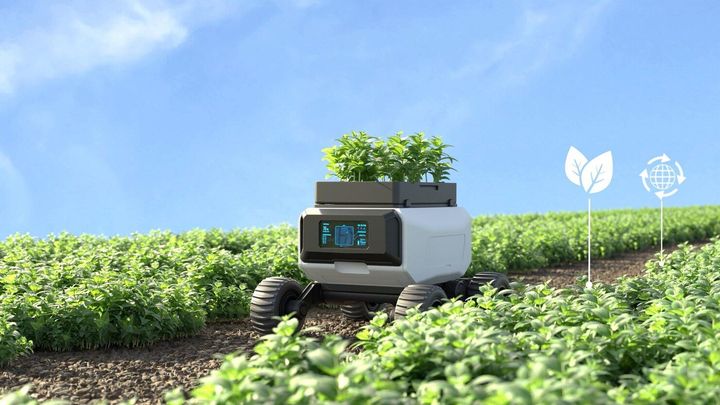
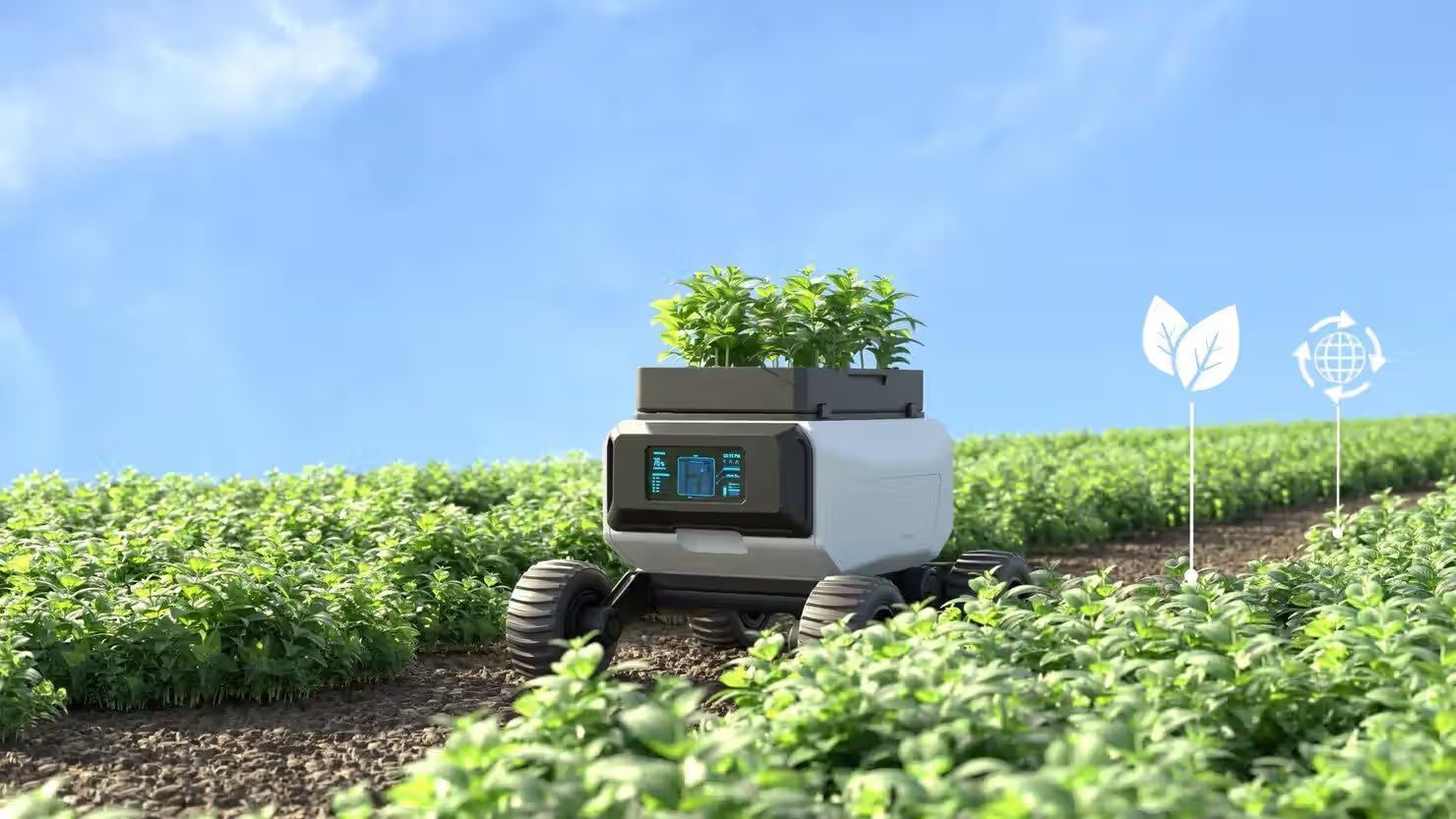
Modern agricultural robots include autonomous tractors, robotic harvesters, drone-based crop monitoring systems, and automated weed control machines. These systems often integrate with precision agriculture platforms that use GPS, machine learning, and real-time field data.
As climate change and resource constraints influence farming practices, agricultural robotics aims to make farming more sustainable, accurate, and resilient.
Importance: Why Agricultural Robotics Matters Today
Agricultural robotics is important because global food demand continues to grow while farmland and water resources remain limited. Farms must increase productivity without expanding land use, making efficiency critical. Robotics contributes to this goal by optimizing input usage and minimizing waste.
Key Benefits
- Improved crop yield prediction using AI-driven analytics
- Reduced chemical usage through targeted spraying
- Enhanced soil health monitoring with smart sensors
- Lower dependency on seasonal labor
- Greater accuracy in planting and harvesting
Farmers, agribusiness companies, policymakers, and agricultural researchers are directly affected by this technology. Small and medium farms increasingly use affordable automation tools, while large farms adopt advanced robotic systems integrated with cloud-based platforms.
Traditional vs Robotic Farming
| Feature | Traditional Farming | Robotic Farming |
|---|---|---|
| Labor Dependency | High | Moderate to Low |
| Data Usage | Limited | Real-time analytics |
| Input Application | Uniform | Precision-based |
| Crop Monitoring | Manual inspection | Drone & sensor monitoring |
| Resource Efficiency | Variable | Optimized |
Agricultural robotics also supports environmental sustainability by reducing excessive fertilizer and pesticide application, contributing to better ecosystem balance.
Recent Updates and Trends (2025–2026)
Over the past year, agricultural robotics has experienced significant technological and policy developments. Innovations are focused on automation, sustainability, and data integration.
AI-Powered Weed Control
In 2025, AI-powered robotic weeders gained attention for reducing herbicide dependency through computer vision. These machines identify weeds at the plant level and apply mechanical removal instead of chemicals.
Expansion of Drone Monitoring
Drone-based monitoring systems expanded in countries like Australia and Brazil. Large-scale farms benefit from aerial imaging to track crop stress and irrigation patterns more effectively.
Government Support and Funding
Governments have increased funding for smart farming innovation. In mid-2025, agricultural technology grants in India were expanded under digital agriculture initiatives to encourage adoption of robotics and AI systems in rural areas.
IoT Integration in Farming
Another emerging trend is the integration of robotics with Internet of Things (IoT) platforms. Smart irrigation robots now connect to weather forecasting systems, adjusting water distribution automatically based on rainfall predictions.
Sustainable Robotics Growth
The growth of electric and solar-powered agricultural robots is also noticeable. This shift reflects sustainability goals and carbon reduction strategies across global farming sectors.
Laws and Policies Influencing Agricultural Robotics
Agricultural robotics operates within regulatory frameworks related to machinery safety, drone usage, data privacy, and environmental standards. These regulations ensure safe and responsible implementation of advanced technologies.
India
In India, the Ministry of Agriculture promotes mechanization through government subsidy programs that support advanced farm equipment adoption. Drone usage for crop monitoring is regulated by civil aviation authorities to ensure airspace safety.
United States
In the United States, agricultural automation is influenced by safety standards under federal labor and machinery regulations. Drone operations require proper licensing and compliance with aviation rules.
European Union
In the European Union, environmental policies encourage precision agriculture tools, including robotics. These initiatives aim to reduce chemical inputs and improve traceability in farming systems.
Data Protection Considerations
Data protection laws also play a role, as many robotic systems collect farm data. Operators must comply with digital privacy standards and ensure secure data storage.
Government programs generally encourage responsible innovation while maintaining safety and environmental compliance.
Tools and Resources for Agricultural Robotics
Farmers and researchers can access various tools and platforms to understand and implement agricultural robotics effectively. These resources support both learning and practical application.
Useful Tools
- Farm management software platforms with AI integration
- GPS-based precision farming tools
- Agricultural drone mapping applications
- Soil analysis data platforms
- IoT-based irrigation monitoring dashboards
- University research portals focused on agricultural engineering
- Government agriculture department websites for guidelines and training materials
Workflow Integration in Farming
Agricultural robotics typically follows a structured workflow:
Farm Data Collection → AI Processing → Field Action (Planting/Spraying/Harvesting) → Performance Monitoring → Data Feedback Loop
Open-source robotics communities and agricultural research institutions also publish technical guides and case studies. Educational platforms now provide structured modules on sensor calibration, drone mapping basics, and predictive analytics interpretation.
Frequently Asked Questions
What is the main purpose of agricultural robotics?
The primary purpose is to automate repetitive and labor-intensive farming tasks. It also improves efficiency, accuracy, and sustainability through data-driven decision-making.
Are agricultural robots suitable for small farms?
Yes, many entry-level automation tools such as drone monitoring systems and smart irrigation devices are scalable. They can be adapted to smaller land holdings effectively.
How does agricultural robotics support sustainability?
Robotics reduces excessive chemical application, optimizes water usage, and enables precise soil management. This contributes to environmental conservation and long-term ecosystem balance.
Is specialized training required to operate agricultural robots?
Basic training is typically needed to operate advanced robotic systems. Many governments and agricultural institutions provide workshops and digital learning modules for support.
What are the risks associated with agricultural robotics?
- Technical malfunctions
- Cybersecurity concerns
- Regulatory compliance challenges
Proper maintenance and adherence to guidelines can significantly reduce these risks.
Conclusion
Agricultural robotics represents a significant shift in modern farming practices. By combining artificial intelligence, precision agriculture, IoT integration, and automation technologies, it helps farmers address productivity, sustainability, and labor challenges.
Recent advancements in 2025–2026 show continued growth in AI-powered weeders, drone monitoring systems, and smart irrigation robotics. Government policies across regions such as India, the United States, and the European Union support responsible adoption through funding, training, and regulatory frameworks.
As global food demand rises and environmental concerns intensify, agricultural robotics provides a structured and data-driven approach to farming. With proper understanding, training, and compliance, it can contribute to resilient agricultural systems while maintaining transparency and sustainability standards.