LED Digital Billboards Guide: Understanding Technology, Trends, and Applications
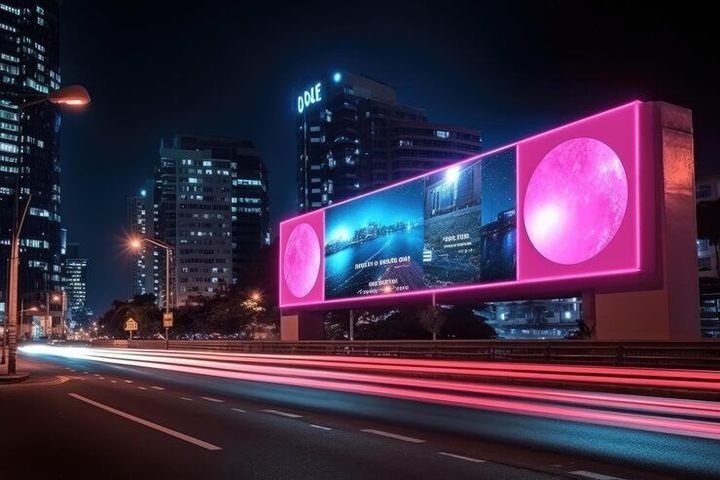
LED digital billboards are large electronic displays that use light-emitting diodes (LEDs) to show advertisements, announcements, and public information. These displays are commonly placed along highways, in urban areas, and at high-traffic locations where visibility is important.
Unlike traditional printed billboards, LED digital billboards can change content frequently and display multiple messages within a short period. This flexibility exists because the content is controlled through digital systems, allowing operators to update visuals remotely.
The concept evolved as part of the broader shift toward digital signage, where static media transitioned into dynamic formats. Companies such as Daktronics and Lamar Advertising Company played a significant role in advancing large-scale LED display technologies.
These billboards exist primarily to improve communication efficiency in public spaces. They help businesses, governments, and organizations deliver messages quickly, especially in environments where attention spans are short.
Importance
LED digital billboards are increasingly relevant in today’s fast-paced and technology-driven world. They impact several sectors, including advertising, public information systems, and urban infrastructure.
One major reason they matter is visibility. LED displays are bright and can be easily seen during both daytime and nighttime. This ensures that messages reach a wide audience regardless of lighting conditions.
They also support real-time updates, which makes them useful for time-sensitive communication such as traffic alerts, weather updates, and emergency announcements.
For businesses, these billboards provide:
- Increased engagement due to motion graphics and animations
- Better message targeting based on time or location
- Reduced material waste compared to printed billboards
For cities and governments, they help solve communication challenges by delivering information quickly to large populations.
Additionally, LED billboards contribute to the digital transformation of urban environments, aligning with the concept of smart cities.
Recent Updates
In the past year, LED digital billboard technology has seen several notable developments.
- In 2025, advancements in energy-efficient LEDs have reduced power consumption significantly, making these displays more sustainable.
- Artificial intelligence integration has improved content scheduling and audience targeting, allowing smarter display management.
- Higher resolution displays, including 4K and beyond, have become more common in metropolitan areas.
- Flexible and curved LED panels have gained attention, allowing creative billboard designs that adapt to architectural structures.
Another key trend is programmatic advertising, where digital billboards automatically display content based on data such as traffic patterns, time of day, or audience demographics.
Governments in several regions have also begun reviewing policies related to digital signage brightness and placement due to concerns about road safety and light pollution.
Laws or Policies
LED digital billboards are regulated in many countries to ensure safety, fairness, and environmental protection.
In India, outdoor advertising, including digital billboards, is governed by local municipal corporations and state-level policies. Rules typically cover:
- Maximum brightness levels to prevent driver distraction
- Placement restrictions near highways or intersections
- Content guidelines to avoid misleading or inappropriate messaging
For example, guidelines from organizations such as the Ministry of Road Transport and Highways influence how digital displays can be installed near roadways.
Globally, countries like the United States enforce regulations through authorities such as the Federal Highway Administration, which sets standards for billboard spacing, size, and lighting.
Compliance with these laws is essential to maintain public safety and ensure that digital billboards do not negatively impact drivers or nearby communities.
Tools and Resources
Several tools and platforms help manage, design, and analyze LED digital billboard content. These resources are widely used in the digital signage ecosystem.
Content Management Systems (CMS)
- Platforms that allow remote scheduling and updating of billboard content
- Enable real-time changes and automation
Design Software
- Adobe Creative Cloud
-
Canva
Used for creating visuals optimized for large screens
Analytics Platforms
- Tools that measure audience engagement and impressions
- Help improve content performance
Hardware Controllers
- Devices that manage LED display operations
- Ensure smooth playback and synchronization
Monitoring Tools
- Systems that track display performance and detect technical issues
These tools collectively support efficient operation, creative design, and performance tracking of LED billboards.
Key Features of LED Digital Billboards
| Feature | Description |
|---|---|
| Brightness | High visibility in daylight and nighttime conditions |
| Dynamic Content | Ability to display multiple messages in rotation |
| Remote Control | Content can be updated from a centralized system |
| Energy Efficiency | Modern LEDs consume less power compared to older technologies |
| Durability | Designed to withstand outdoor weather conditions |
| High Resolution | Supports clear and detailed visuals |
FAQs
What is an LED digital billboard?
An LED digital billboard is an electronic display that uses LED technology to show dynamic advertisements or information in public spaces.
How are LED billboards different from traditional billboards?
Traditional billboards display static printed content, while LED billboards can show changing digital content, animations, and videos.
Are LED billboards environmentally friendly?
Modern LED billboards are more energy-efficient than older lighting systems, but they still require careful management to minimize energy use and light pollution.
Can LED billboards display multiple advertisements?
Yes, they can rotate multiple ads within a set time frame, allowing different messages to be shown throughout the day.
Do LED billboards affect road safety?
If not properly regulated, they can be distracting. That is why governments enforce rules on brightness, placement, and content transitions.
Conclusion
LED digital billboards represent a significant shift in how information is shared in public spaces. By combining advanced display technology with digital control systems, they offer a flexible and efficient communication medium.
Their importance continues to grow as cities adopt smarter infrastructure and businesses seek more engaging ways to connect with audiences. At the same time, regulations and technological improvements aim to balance innovation with safety and sustainability.
Understanding how these billboards work, their benefits, and the rules governing them provides valuable insight into the evolving landscape of digital communication.