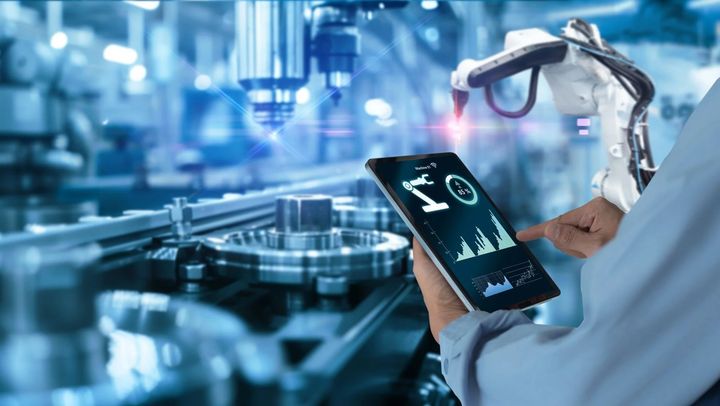
Industrial Sensors Overview: Learn Functions, Applications and System Insights
Industrial sensors are devices used to detect physical, chemical, or environmental changes and convert them into measurable signals.
These signals are then used by machines, control systems, or software to monitor and manage industrial processes.
They exist because industries need accurate, real-time data to ensure efficiency, safety, and automation. From manufacturing plants to energy systems, sensors help machines “understand” their surroundings.
Common types of industrial sensors include:
- Temperature sensors
- Pressure sensors
- Proximity sensors
- Motion sensors
- Humidity sensors
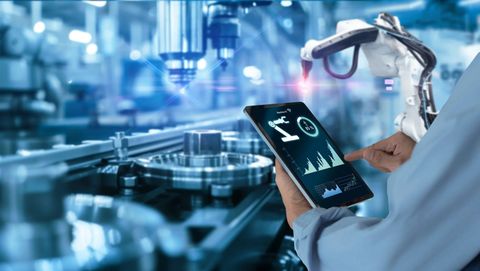
These sensors are widely integrated into industrial automation systems, robotics, and smart manufacturing environments.
Types of Industrial Sensors and Their Functions
| Sensor Type | Function | Common Use Case |
|---|---|---|
| Temperature | Measures heat levels | Boilers, HVAC systems |
| Pressure | Detects force of liquids/gases | Oil & gas pipelines |
| Proximity | Detects nearby objects without contact | Assembly lines |
| Motion | Detects movement | Security and robotics |
| Humidity | Measures moisture levels | Food storage, agriculture |
Importance
Industrial sensors play a critical role in modern industries, especially as automation and digital transformation continue to grow.
They matter because they:
- Improve operational efficiency
- Reduce human error
- Enhance workplace safety
- Enable predictive maintenance
- Support real-time decision-making
Industries affected include manufacturing, healthcare, automotive, agriculture, and energy. For example, in smart factories, sensors monitor machine performance and prevent breakdowns before they occur.
Key Benefits in Modern Industry
- Accuracy: Provides precise measurements
- Automation: Reduces manual intervention
- Safety: Detects hazardous conditions early
- Data Insights: Supports analytics and optimization
Industrial sensors also solve problems such as equipment failure, inefficient production, and unsafe working conditions.
Recent Updates
In the past year (2025–2026), industrial sensor technology has seen several advancements:
- AI Integration (2025): Sensors are now combined with artificial intelligence to analyze data patterns and predict system behavior.
- IoT Expansion (2025): Internet of Things (IoT) sensors are increasingly used in smart factories, enabling remote monitoring.
- Wireless Sensors Growth (2026): Reduced wiring complexity and improved flexibility in industrial setups.
- Miniaturization Trends (2025): Smaller sensors with higher precision are being developed for compact systems.
- Energy-Efficient Sensors (2026): Focus on sustainability has led to low-power sensor designs.
Trend Comparison Overview
| Trend | Impact Level | Key Advantage |
|---|---|---|
| AI Integration | High | Predictive analytics |
| IoT Connectivity | High | Remote monitoring |
| Wireless Technology | Medium | Flexible installation |
| Miniaturization | Medium | Compact design |
| Energy Efficiency | High | Reduced power usage |
These updates reflect a shift toward smarter, more connected industrial environments.
Laws or Policies
Industrial sensors are influenced by various regulations and standards, depending on the country and industry.
In India and globally, key regulatory aspects include:
- Safety Standards: Sensors must comply with industrial safety norms to prevent accidents.
- Environmental Regulations: Sensors used in emissions monitoring must meet pollution control guidelines.
- Data Protection Rules: IoT-enabled sensors must follow data privacy and cybersecurity laws.
- Quality Certifications: Standards such as ISO ensure reliability and accuracy.
Government programs promoting automation and smart manufacturing also encourage the adoption of advanced sensor technologies.
Regulatory Focus Areas
- Equipment safety compliance
- Environmental monitoring requirements
- Data security frameworks
- Industry-specific standards
These policies ensure that sensor systems are reliable, secure, and environmentally responsible.
Tools and Resources
Various tools and platforms help in understanding, implementing, and managing industrial sensors.
Useful Tools and Platforms
- Sensor simulation software for testing system behavior
- IoT dashboards for real-time monitoring
- Data analytics tools for interpreting sensor data
- Calibration tools to maintain sensor accuracy
- Industrial automation platforms for integration
Learning Resources
- Online courses on industrial automation
- Technical documentation from manufacturers
- Engineering forums and knowledge platforms
- Research papers on sensor technologies
These resources help both beginners and professionals gain deeper insights into industrial sensor systems.
FAQs
What are industrial sensors used for?
Industrial sensors are used to monitor physical conditions like temperature, pressure, and motion in industrial environments. They help automate processes and improve efficiency.
How do industrial sensors work?
They detect changes in the environment and convert them into electrical signals. These signals are then processed by control systems or software.
What industries use industrial sensors?
Industries such as manufacturing, healthcare, agriculture, automotive, and energy rely heavily on sensors for monitoring and automation.
Are industrial sensors part of IoT?
Yes, many industrial sensors are connected through IoT systems, allowing remote monitoring and data analysis.
What is the difference between analog and digital sensors?
Analog sensors produce continuous signals, while digital sensors provide discrete outputs, often making them easier to integrate with modern systems.
Conclusion
Industrial sensors are essential components of modern industrial systems. They provide the data needed for automation, safety, and efficiency. As technology evolves, sensors are becoming smarter, more connected, and more energy-efficient.
With advancements in AI, IoT, and wireless technologies, industrial sensors are shaping the future of smart manufacturing and intelligent systems. Understanding their basics, applications, and trends helps individuals and organizations stay informed and prepared for ongoing industrial transformation.
This guide offers a clear and educational overview, helping readers explore the role and importance of industrial sensors in today’s rapidly evolving technological landscape.