Plant Maintenance Management Guide for Modern Industrial Equipment Systems
Plant maintenance management refers to the process of monitoring, repairing, inspecting, and maintaining industrial equipment, machinery, and operational systems inside manufacturing plants, factories, warehouses, and production facilities. The goal is to keep machines running efficiently while reducing downtime, improving safety, and extending equipment lifespan.
Industries such as manufacturing, energy, automotive, pharmaceuticals, food processing, and logistics rely heavily on maintenance management systems to support daily operations. As industrial equipment becomes more advanced, organizations are increasingly adopting digital tools, predictive monitoring systems, and automation technologies to improve operational performance.
Plant maintenance management exists because industrial equipment naturally experiences wear and tear over time. Without proper maintenance planning, facilities can face production interruptions, safety risks, equipment failures, and financial losses.
Modern maintenance strategies include:
- Preventive maintenance
- Predictive maintenance
- Corrective maintenance
- Reliability-centered maintenance
- Condition-based monitoring
These approaches help organizations reduce operational risks and improve productivity.
Why Plant Maintenance Management Matters Today
Plant maintenance management has become increasingly important due to the rapid growth of industrial automation, smart factories, and digital manufacturing systems. Modern industries depend on uninterrupted operations to meet production goals and maintain efficiency.
When machinery stops unexpectedly, entire production chains can be affected. This can lead to delays, wasted materials, safety concerns, and reduced operational output.
Key Benefits of Maintenance Management
| Maintenance Area | Operational Impact |
|---|---|
| Preventive Inspections | Reduces unexpected breakdowns |
| Equipment Monitoring | Improves machinery lifespan |
| Safety Compliance | Supports workplace protection |
| Predictive Analytics | Identifies early warning signs |
| Asset Tracking | Enhances maintenance planning |
| Energy Efficiency | Reduces operational waste |
Plant maintenance management affects:
- Factory managers
- Maintenance engineers
- Facility operators
- Industrial technicians
- Safety compliance teams
- Manufacturing organizations
Problems It Helps Solve
Equipment Downtime
Unexpected equipment failures can interrupt production and delay manufacturing schedules.
Safety Risks
Poorly maintained machinery may increase workplace hazards and accident risks.
High Energy Usage
Damaged or inefficient equipment can consume more energy than necessary.
Inventory Challenges
Maintenance planning helps organizations manage spare parts and equipment availability.
Compliance Issues
Many industries must follow maintenance-related regulations and safety standards.
As industries move toward Industry 4.0 technologies, maintenance management systems are becoming more data-driven and connected through cloud platforms and industrial Internet of Things (IoT) solutions.
Recent Updates and Industry Trends
Plant maintenance management has evolved significantly over the past year due to advancements in artificial intelligence, machine learning, industrial automation, and sustainability initiatives.
AI-Based Predictive Maintenance Growth (2025)
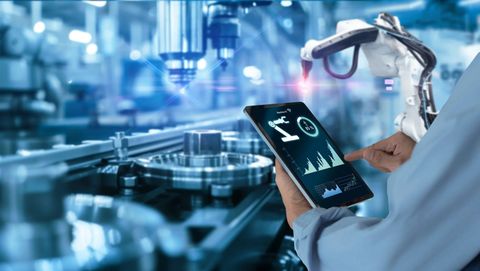
In 2025, many industrial facilities expanded the use of AI-powered predictive maintenance systems. These tools analyze machine vibration, temperature, noise, and operational data to identify potential failures before breakdowns occur.
AI systems can help maintenance teams:
- Detect abnormal equipment behavior
- Schedule inspections more accurately
- Reduce manual monitoring
- Improve operational efficiency
Expansion of Smart Factory Technology
Manufacturers across Europe, Asia, and North America continue investing in smart manufacturing systems. Connected sensors and cloud-based maintenance dashboards are becoming common in large industrial plants.
Recent trends include:
- Remote equipment monitoring
- Digital twins for machinery simulation
- Mobile maintenance applications
- Automated maintenance scheduling
Sustainability and Energy Efficiency Focus
During 2024 and 2025, industries increased focus on sustainable operations. Maintenance management now plays a major role in reducing energy waste and improving environmental efficiency.
Organizations are prioritizing:
- Energy-efficient motors
- Emission monitoring systems
- Reduced equipment waste
- Asset lifecycle optimization
Cybersecurity Awareness
As maintenance systems become more connected, cybersecurity has become an important concern. Industrial facilities are improving network protection for maintenance software and operational technology systems.
Maintenance teams are increasingly working with IT departments to secure industrial infrastructure.
Laws, Regulations, and Government Policies
Plant maintenance management is closely connected to workplace safety regulations, environmental standards, and industrial compliance requirements. Different countries have specific laws governing industrial operations and equipment maintenance.
Workplace Safety Regulations
Many governments require industrial facilities to maintain safe working environments through regular inspections and maintenance practices.
Examples include:
- Occupational safety standards
- Machinery inspection requirements
- Hazard prevention policies
- Emergency shutdown procedures
In several countries, industrial facilities must document maintenance activities to demonstrate compliance during audits or inspections.
Environmental Policies
Environmental regulations often influence maintenance planning because poorly maintained equipment may produce higher emissions or waste.
Common environmental requirements include:
- Air quality monitoring
- Industrial waste management
- Energy efficiency reporting
- Noise pollution control
Equipment Certification Standards
Industries such as pharmaceuticals, aviation, food production, and energy sectors may require certified maintenance procedures to ensure operational safety and product quality.
International standards often used include:
- ISO 55000 for asset management
- ISO 14224 for maintenance data
- OSHA safety guidance
- IEC industrial equipment standards
Government Industrial Programs
Several governments introduced smart manufacturing and digital transformation programs between 2024 and 2025. These programs encourage industrial modernization and adoption of digital maintenance technologies.
Some initiatives support:
- Smart factory development
- Industrial automation upgrades
- Workforce training
- Energy-efficient operations
Useful Tools and Resources
Modern plant maintenance management relies on digital platforms, monitoring systems, and operational software. These tools help maintenance teams organize inspections, monitor equipment, and analyze performance data.
Computerized Maintenance Management Systems (CMMS)
CMMS software helps organizations manage:
- Maintenance schedules
- Asset records
- Equipment history
- Spare parts inventory
- Inspection reports
Popular enterprise platforms include:
- IBM Maximo
- SAP Plant Maintenance
- Fiix CMMS
- UpKeep
- MaintainX
Predictive Maintenance Tools
Predictive maintenance systems use sensors and analytics to monitor equipment health.
Common technologies include:
- Vibration analysis
- Thermal imaging
- Oil analysis
- Ultrasound monitoring
- IoT sensor platforms
Mobile Maintenance Applications
Mobile apps allow technicians to:
- Access maintenance checklists
- Record inspection results
- Upload equipment photos
- Track work orders remotely
Digital Dashboards and Analytics
Industrial dashboards provide real-time monitoring for:
- Equipment performance
- Energy consumption
- Maintenance KPIs
- Downtime statistics
Training and Learning Resources
Helpful educational resources include:
- Industrial engineering associations
- Equipment manufacturer manuals
- Online technical learning platforms
- Safety compliance documentation
- Industrial maintenance webinars
Frequently Asked Questions
What is the main purpose of plant maintenance management?
The main purpose is to keep industrial equipment operating safely and efficiently while reducing downtime, preventing failures, and improving operational reliability.
What is the difference between preventive and predictive maintenance?
Preventive maintenance follows scheduled inspections and servicing, while predictive maintenance uses data and monitoring systems to predict equipment issues before failures occur.
Why is maintenance important in manufacturing plants?
Maintenance helps maintain production continuity, improve workplace safety, extend equipment lifespan, and reduce operational interruptions.
What industries use plant maintenance management systems?
Industries including manufacturing, energy, automotive, pharmaceuticals, food processing, logistics, and mining commonly use maintenance management systems.
How does technology improve maintenance management?
Technology improves maintenance through automation, real-time monitoring, predictive analytics, cloud-based reporting, and digital asset tracking systems.
Conclusion
Plant maintenance management plays a vital role in modern industrial operations. As factories and production facilities become more technologically advanced, maintenance strategies continue evolving through automation, predictive analytics, and smart monitoring systems.
Organizations today focus not only on repairing equipment but also on improving reliability, workplace safety, sustainability, and operational efficiency. Modern maintenance management systems help industries reduce downtime, optimize energy usage, and support long-term asset performance.
Recent developments in AI, IoT, and smart manufacturing technologies are reshaping how maintenance teams monitor and manage industrial infrastructure. At the same time, government regulations and environmental standards continue encouraging safer and more efficient maintenance practices.
Understanding plant maintenance management helps businesses, engineers, technicians, and facility operators build more reliable industrial operations while adapting to the changing demands of modern manufacturing environments.