Food Processing Machine Overview: Understanding Components, Functions, and Working Basics
Food processing machines are mechanical and automated systems designed to transform raw ingredients into consumable or packaged food products. These machines play a critical role in the food processing industry, helping to improve efficiency, maintain hygiene, and ensure consistent quality.
The concept of food processing dates back centuries, but modern advancements in industrial food machinery have significantly improved production capabilities. Today, food processing equipment is used across various sectors, including dairy, bakery, beverages, meat processing, and packaged foods.
At a basic level, these machines perform operations such as:
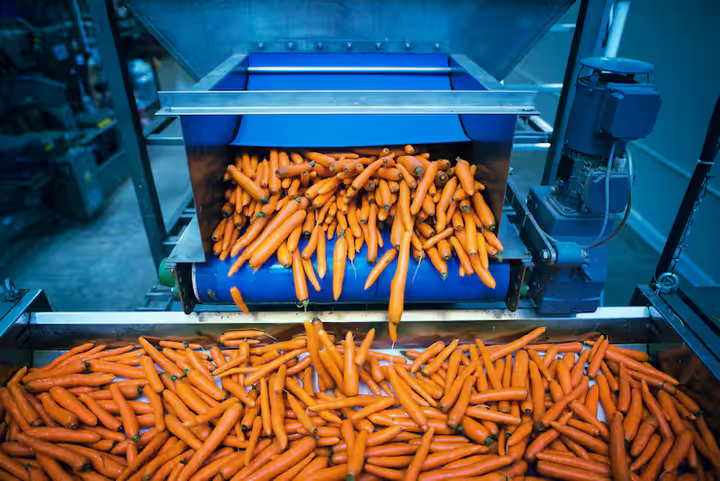
- Cleaning and sorting raw materials
- Cutting, grinding, or mixing ingredients
- Heating or cooling products
- Packaging and labeling finished goods
The increasing demand for safe and standardized food products has led to the development of advanced food processing technology, making machines an essential part of modern food systems.
Why Food Processing Machines Matter in Today’s World
Food processing machines are important because they address several key challenges in food production and supply chains. As populations grow and urbanization increases, there is a higher demand for processed and ready-to-eat food.
These machines help solve problems such as:
- Food safety and hygiene: Automated systems reduce human contact, lowering contamination risks
- Consistency in quality: Machines ensure uniform size, texture, and taste
- Time efficiency: Large-scale production becomes faster and more reliable
- Reduction in food waste: Efficient processing minimizes losses during production
They affect a wide range of stakeholders:
- Food manufacturers rely on machines for production efficiency
- Consumers benefit from safer and standardized food products
- Governments focus on food safety compliance and supply chain stability
In addition, the use of automated food processing systems supports better inventory management and scalability for businesses, especially in regions experiencing rapid economic growth.
Key Components and Functions of Food Processing Machines
Food processing machines consist of several core components that work together to perform specific tasks. Understanding these components helps in grasping how the overall system operates.
Main Components
| Component | Function Description |
|---|---|
| Feeding System | Supplies raw materials into the machine |
| Processing Unit | Performs operations like cutting, mixing, or grinding |
| Control Panel | Allows operators to manage settings and monitor performance |
| Motor and Drive | Powers the machine and controls movement |
| Output System | Releases processed food for packaging or further steps |
Common Functions
- Mixing and Blending: Combines ingredients evenly
- Grinding and Milling: Reduces particle size for uniform texture
- Heating and Cooling: Controls temperature for preservation or cooking
- Packaging Integration: Prepares food for storage and transport
Basic Working Principle
Most food processing machines follow a simple workflow:
- Raw materials are fed into the machine
- The processing unit performs the required operation
- Sensors and controls monitor the process
- The finished product is discharged for packaging
Modern machines often use PLC (Programmable Logic Controller) systems to automate operations and ensure precision.
Recent Updates and Trends in Food Processing Technology
The past year has seen several advancements in food processing machinery, driven by innovation and sustainability concerns.
Notable Trends (2024–2025)
-
Automation and Smart Technology:
Machines are increasingly integrated with IoT (Internet of Things) systems for real-time monitoring and predictive maintenance. -
Energy-Efficient Equipment:
New designs focus on reducing energy consumption while maintaining high output levels. -
AI-Based Quality Control:
Artificial intelligence is being used to detect defects and maintain product consistency. -
Sustainable Processing Methods:
There is a shift toward reducing water usage and minimizing waste during production. -
Modular Machine Design:
Flexible systems allow manufacturers to adjust production lines quickly based on demand.
Example Timeline
| Year | Development |
|---|---|
| 2024 | Increased adoption of AI in food inspection systems |
| 2025 | Growth in IoT-enabled food processing equipment |
| 2025 | Focus on eco-friendly and energy-efficient machinery |
These updates highlight how food manufacturing technology continues to evolve to meet modern industry requirements.
Laws, Regulations, and Policies Affecting Food Processing Machines
Food processing machines are subject to strict regulations to ensure safety, hygiene, and quality standards.
Key Regulatory Areas
-
Food Safety Standards:
Machines must comply with hygiene requirements to prevent contamination -
Material Safety:
Equipment should use food-grade materials that do not react with food -
Operational Safety:
Machines must include safety features to protect operators
Example Regulatory Frameworks
In India, food processing machinery is influenced by guidelines from:
- Food safety authorities regulating hygiene practices
- Industrial safety standards governing machinery use
- Environmental policies focusing on waste management and energy efficiency
Globally, similar standards are set by organizations such as:
- International food safety bodies
- Quality certification systems (ISO standards)
These regulations ensure that food processing equipment operates within safe and controlled environments, protecting both consumers and workers.
Tools and Resources for Understanding Food Processing Machines
Several tools and resources can help individuals and businesses better understand and manage food processing systems.
Useful Tools
-
Food Processing Calculators:
Help estimate production capacity and efficiency -
Simulation Software:
Allows testing of machine operations in virtual environments -
Maintenance Management Systems:
Track machine performance and schedule servicing -
Energy Monitoring Tools:
Measure power consumption and improve efficiency
Online Resources
- Educational platforms offering courses on food engineering basics
- Government portals providing guidelines on food safety and compliance
- Industry reports and research papers on food processing technology trends
Templates and Checklists
- Equipment inspection checklists
- Food safety compliance templates
- Standard operating procedure (SOP) formats
These resources support better planning, operation, and understanding of industrial food processing systems.
Frequently Asked Questions About Food Processing Machines
What is a food processing machine?
A food processing machine is a device used to transform raw ingredients into processed or packaged food products through mechanical or automated operations.
How do food processing machines improve efficiency?
They automate repetitive tasks, reduce manual labor, and increase production speed while maintaining consistent quality.
What are the common types of food processing machines?
Common types include mixers, grinders, slicers, dryers, and packaging machines, each designed for specific functions.
Are food processing machines safe to use?
Yes, when operated according to guidelines and equipped with proper safety features, they are designed to ensure both operator and food safety.
What factors affect the performance of food processing machines?
Performance depends on factors such as machine design, maintenance, raw material quality, and operational settings.
Conclusion
Food processing machines are a fundamental part of modern food production systems. They enable efficient transformation of raw materials into safe, consistent, and high-quality food products. By understanding their components, functions, and working principles, it becomes easier to appreciate their role in addressing global food demands.
Recent advancements in automation, sustainability, and smart technologies continue to shape the future of the food processing industry. At the same time, regulations and safety standards ensure that these machines operate responsibly and effectively.
With the availability of various tools and resources, individuals and organizations can better manage and optimize food processing operations. As technology continues to evolve, food processing machines will remain essential in supporting a reliable and efficient food supply chain.