Circuit Board Guide: Understanding Components, Types, and Common Applications
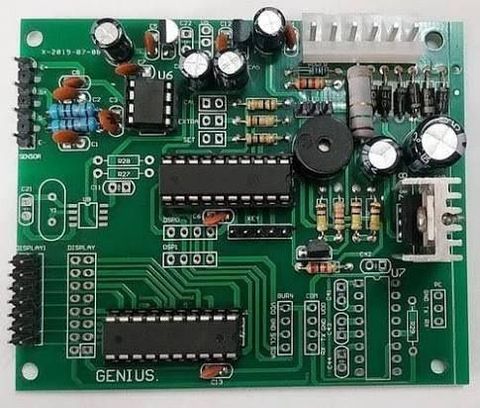
A circuit board is the foundation of most modern electronic devices.
It provides a structured way to connect electronic components so they can communicate and perform specific functions. The term printed circuit board is commonly used because conductive pathways are printed or etched onto a flat board to create electrical connections.
An electronic circuit board can be found in household appliances, computers, communication devices, vehicles, industrial equipment, and medical instruments. As electronics became more compact and capable, circuit boards evolved from simple single-layer designs to complex multilayer PCB structures that support advanced electronic functions.
How Circuit Boards Developed
Early electronic equipment relied on manual wiring, which required significant space and careful assembly. Printed circuit board technology simplified production by placing electrical pathways directly onto a board. Over time, improvements in PCB manufacturing and industrial PCB design made electronic devices smaller, more reliable, and easier to produce in larger quantities.
Importance
Why Circuit Boards Matter
Nearly every electronic product depends on a circuit board. Without it, individual electronic parts would not work together efficiently. Circuit boards improve organization, reduce wiring complexity, and help electronic systems operate consistently.
Common applications include:
- Consumer electronics such as laptops, televisions, and smartphones
- Industrial electronics PCB assemblies used in manufacturing equipment
- Automotive control systems
- Medical monitoring equipment
- Communication and networking devices
- Smart home technology
Types of Circuit Boards
Different electronic products require different board designs depending on their purpose.
| Circuit Board Type | Common Application | Main Feature |
|---|---|---|
| Single-layer PCB | Simple electronics | Components mounted on one side |
| Double-layer PCB | Consumer devices | Conductive layers on both sides |
| Multilayer PCB | Computers and networking equipment | Multiple internal conductive layers |
| Flexible PCB | Wearable electronics | Can bend without breaking |
| Embedded circuit board | Compact electronic systems | Designed for integration into specialized equipment |
Custom PCB fabrication allows organizations to create boards that match specific technical requirements, while PCB contract manufacturing supports large-scale production once a design has been completed.
Recent Updates
Current Trends in PCB Technology
Recent developments continue to improve how circuit boards are designed and manufactured. Advanced PCB technology now focuses on higher performance, improved heat management, and compatibility with compact electronic devices.
Several trends are becoming more common:
- Increased use of multilayer PCB designs for complex electronics
- Greater automation during PCB manufacturing
- Improved materials that handle higher temperatures
- Wider adoption of industrial PCB procurement systems that improve supply planning
- Expanded use of PCB design software with simulation and testing capabilities before production begins
Electronic manufacturing solutions increasingly combine digital design, automated inspection, and quality verification throughout the production process. These approaches help identify design issues before physical boards are produced.
Laws or Policies
Regulations That Influence Circuit Boards
Circuit boards are commonly manufactured and distributed under technical standards and environmental regulations. While requirements vary by country, many governments encourage safe production methods and responsible handling of electronic materials.
Common regulatory areas include:
- Environmental rules that limit hazardous substances in electronics
- Electronic waste recycling programs
- Electrical safety standards for finished products
- Quality management systems used during PCB manufacturing
Industrial sectors may also follow additional technical standards depending on the equipment being developed. These frameworks help maintain product consistency and environmental responsibility.
Tools and Resources
Helpful Platforms and Design Resources
Several digital resources assist engineers, students, and manufacturers during circuit board development.
Useful tools include:
- PCB design software for creating electronic layouts and testing circuits
- Component libraries containing electronic part information
- Design rule checking tools that identify layout issues
- Simulation platforms for evaluating electrical performance
- Manufacturing documentation templates for production files
Many PCB manufacturers provide technical documentation describing board specifications, supported materials, and production guidelines. Industrial PCB procurement platforms also help organizations manage supplier information and component availability.
FAQs
What is the difference between a circuit board and a printed circuit board?
A circuit board is a general term for a board that supports electronic components. A printed circuit board is a specific type where electrical pathways are printed or etched onto the board surface.
What is a multilayer PCB used for?
A multilayer PCB is commonly used in computers, communication equipment, industrial electronics PCB assemblies, and other advanced electronic devices that require many electrical connections within a compact space.
How does custom PCB fabrication work?
Custom PCB fabrication begins with a digital design created using PCB design software. After the layout is verified, manufacturing processes create the board, add conductive layers, drill connection holes, and prepare it for component assembly.
Why is industrial PCB design different from consumer electronics?
Industrial PCB design often considers continuous operation, temperature control, vibration resistance, and compatibility with specialized equipment. Consumer electronics usually prioritize compact size and everyday functionality.
What do PCB manufacturers do?
PCB manufacturers produce printed circuit boards from digital design files. Their work may include board fabrication, quality inspection, PCB contract manufacturing, and preparation for electronic assembly.
Conclusion
Circuit boards form the foundation of modern electronic technology by connecting components into functional systems. Advances in PCB manufacturing, multilayer PCB construction, and industrial PCB design continue to support increasingly capable electronic products. Digital design tools and standardized manufacturing practices have improved consistency across many industries. Understanding the basic types, applications, and development process helps explain the important role circuit boards play in everyday technology.