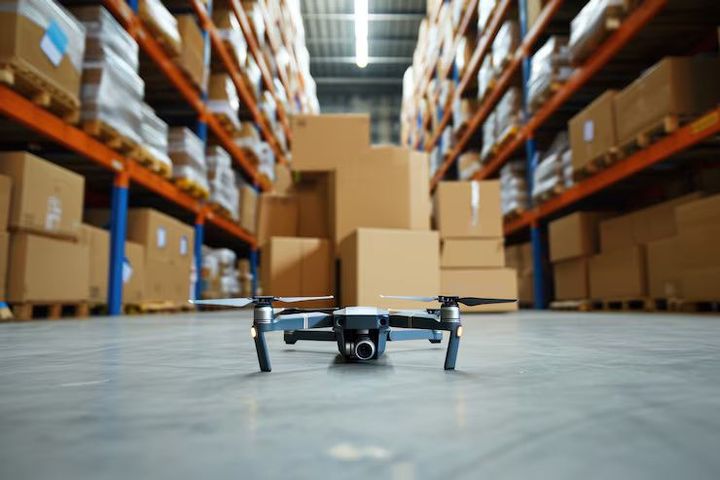
Smart Warehouse System Guide: Key Concepts, Trends, and Practical Insights
A smart warehouse system refers to the integration of advanced technologies such as automation, artificial intelligence (AI), Internet of Things (IoT), and data analytics into warehouse operations. These systems are designed to improve how goods are stored, tracked, and distributed within supply chains.
Traditional warehouses rely heavily on manual processes and limited data visibility. In contrast, smart warehouses use interconnected devices and software to enable real-time monitoring and decision-making.
The rise of e-commerce, global trade, and customer expectations for faster delivery has driven the need for smarter logistics solutions. Businesses now require systems that can manage inventory accurately, reduce errors, and optimize storage and movement.
Smart warehouse systems exist to address these challenges by making operations more efficient, scalable, and adaptable to demand fluctuations.

Importance
Smart warehouse systems are increasingly important in modern supply chain management. They play a key role in ensuring faster delivery, reducing operational errors, and improving overall efficiency.
These systems affect a wide range of industries, including retail, manufacturing, healthcare, and logistics. Any organization that deals with inventory or distribution can benefit from improved warehouse intelligence.
Why do smart warehouse systems matter today?
They help solve several common problems:
- Inefficient inventory tracking
- Human errors in order fulfillment
- Delays in processing and shipping
- Lack of real-time data visibility
- High operational complexity
With technologies like robotics and AI, warehouses can operate with greater accuracy and speed. For example, automated picking systems reduce the time required to prepare orders, while IoT sensors track inventory movement in real time.
Additionally, data-driven insights allow businesses to forecast demand, optimize storage layouts, and improve decision-making. This leads to better resource utilization and reduced waste.
Recent Updates
The smart warehouse industry has seen significant advancements over the past year.
In 2025, several key trends have shaped the development of these systems:
- Increased adoption of AI-powered inventory management tools
- Expansion of robotics in picking and packing operations
- Growth of cloud-based warehouse management systems (WMS)
- Integration of digital twins for warehouse simulation and planning
- Enhanced use of predictive analytics for demand forecasting
In early 2026, companies have begun implementing more advanced automation technologies, including autonomous mobile robots (AMRs) and machine learning algorithms that adapt to changing warehouse conditions.
Another notable development is the focus on sustainability. Many warehouses are adopting energy-efficient systems and reducing waste through better inventory planning.
The use of real-time data dashboards has also improved operational transparency, allowing managers to monitor performance and identify issues quickly.
Laws or Policies
Smart warehouse systems are influenced by various regulations and policies, especially those related to data protection, labor safety, and environmental standards.
In countries like India, warehouse operations must comply with guidelines under the Goods and Services Tax (GST) framework, which affects inventory tracking and reporting.
Data privacy laws also play a role, particularly when warehouses use IoT devices and cloud-based systems. Organizations must ensure that data collected from sensors and systems is stored and processed securely.
Labor regulations are another important factor. Even with automation, warehouses must follow safety standards to protect workers who interact with machines and equipment.
Environmental policies are increasingly relevant as well. Governments encourage the use of energy-efficient technologies and sustainable practices in logistics operations.
Tools and Resources
Smart warehouse systems rely on a variety of tools and technologies to function effectively. These tools help manage inventory, automate processes, and analyze data.
Warehouse Management Systems (WMS)
These platforms provide centralized control over warehouse operations, including inventory tracking, order processing, and reporting.
Internet of Things (IoT) Devices
Sensors and connected devices monitor inventory movement, temperature, and storage conditions in real time.
Robotics and Automation Systems
Automated guided vehicles (AGVs) and robotic arms assist in picking, packing, and transporting goods within the warehouse.
Data Analytics Platforms
These tools analyze large volumes of data to provide insights into performance, demand patterns, and operational efficiency.
Cloud-Based Software
Cloud solutions enable remote access to warehouse data and support scalability as business needs grow.
Example Tools Comparison
| Tool Type | Key Function | Benefit |
|---|---|---|
| Warehouse Management System | Inventory and order management | Improved accuracy and tracking |
| IoT Sensors | Real-time monitoring | Enhanced visibility |
| Robotics Systems | Automated material handling | Faster operations |
| Data Analytics Platforms | Performance analysis | Better decision-making |
| Cloud Software | Remote data access | Flexibility and scalability |
FAQs
What is a smart warehouse system?
A smart warehouse system uses technologies like AI, IoT, and automation to improve warehouse operations, making them more efficient and data-driven.
How does automation improve warehouse efficiency?
Automation reduces manual tasks, speeds up processes, and minimizes errors in activities like picking, packing, and inventory tracking.
Are smart warehouses suitable for small businesses?
Yes, many scalable solutions are available that allow smaller businesses to adopt smart technologies based on their needs and resources.
What role does data play in smart warehouses?
Data is essential for monitoring operations, predicting demand, and optimizing processes. It helps businesses make informed decisions.
What challenges are associated with smart warehouse systems?
Common challenges include initial implementation complexity, integration with existing systems, and the need for skilled personnel to manage advanced technologies.
Conclusion
Smart warehouse systems represent a significant shift in how inventory and logistics operations are managed. By integrating advanced technologies such as AI, IoT, and automation, these systems provide greater efficiency, accuracy, and visibility.
They are increasingly important in a world where supply chains must be fast, flexible, and reliable. Recent developments highlight a growing focus on automation, data analytics, and sustainability.
Understanding the tools, regulations, and trends associated with smart warehouses can help organizations adapt to changing demands and improve their operational performance.
As technology continues to evolve, smart warehouse systems are likely to become a standard component of modern logistics, supporting more efficient and responsive supply chains worldwide.