Magnetic Sensor Systems Guide to Smart Devices and Precision Monitoring
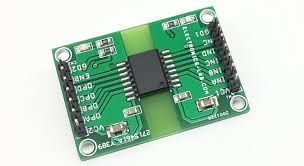
Magnetic sensor systems are electronic technologies designed to detect and measure magnetic fields. These systems are commonly used in industrial automation, automotive electronics, smartphones, medical equipment, and consumer devices. They convert magnetic information into electrical signals that machines and digital systems can understand.
Magnetic sensors exist because modern industries require accurate positioning, motion tracking, safety monitoring, and contactless detection. Traditional mechanical switches often wear out over time, while magnetic sensor systems provide a more reliable and durable alternative.
These systems use different sensing technologies depending on the application. Common types include Hall-effect sensors, magnetoresistive sensors, fluxgate sensors, and reed switches. Each type performs differently based on sensitivity, accuracy, and environmental conditions.
Today, magnetic sensor systems are part of many daily technologies, including vehicle braking systems, mobile phones, industrial robots, smart meters, and healthcare devices.

Why Magnetic Sensor Systems Matter Today
Magnetic sensor systems are important because industries are increasingly moving toward automation, digital monitoring, and smart infrastructure. These sensors improve efficiency, safety, and precision across many sectors.
Key Benefits of Magnetic Sensor Systems
- Contactless operation reduces physical wear
- High accuracy in position and speed detection
- Reliable performance in harsh environments
- Low maintenance requirements
- Compact size suitable for modern electronics
- Energy-efficient sensing technology
The automotive industry heavily relies on magnetic sensors for anti-lock braking systems (ABS), electric power steering, and battery monitoring in electric vehicles. In manufacturing, sensors help control robotics, conveyor systems, and industrial automation processes.
Healthcare systems also use magnetic sensors in medical imaging devices, wearable health monitors, and precision diagnostic tools. Consumer electronics companies integrate these systems into smartphones, tablets, and gaming devices for orientation and motion detection.
As smart cities and Internet of Things (IoT) technologies continue growing, magnetic sensor systems are becoming more important for traffic monitoring, smart energy management, and intelligent transportation networks.
Major Types of Magnetic Sensor Systems
| Sensor Type | Main Application | Key Advantage |
|---|---|---|
| Hall-Effect Sensors | Automotive and smartphones | Compact and reliable |
| Magnetoresistive Sensors | Navigation systems | High sensitivity |
| Fluxgate Sensors | Scientific instruments | Accurate field detection |
| Reed Switches | Security systems | Simple operation |
| SQUID Sensors | Medical imaging | Extremely precise measurements |
Recent Updates and Industry Trends
The magnetic sensor market has experienced major advancements during 2025 due to developments in electric vehicles, smart manufacturing, and AI-driven automation.
Growth of Electric Vehicles
In early 2025, automotive manufacturers increased the use of magnetic sensor systems for battery management and motor control technologies. Electric vehicles require precise monitoring systems for safety and energy efficiency. Advanced magnetic sensors help improve vehicle performance and charging management.
Expansion of Industrial Automation
Factories worldwide continue adopting Industry 4.0 technologies. Smart manufacturing environments now use magnetic sensor systems for predictive maintenance, robotic control, and equipment monitoring. Many industrial companies upgraded their sensing infrastructure during 2024 and 2025 to improve operational efficiency.
Miniaturization of Consumer Electronics
Sensor manufacturers have introduced smaller and more energy-efficient magnetic sensors for wearable devices and mobile electronics. Compact sensors are now integrated into smartwatches, wireless earbuds, and health monitoring devices.
AI and Sensor Fusion Technologies
Artificial intelligence and sensor fusion systems are improving how magnetic sensors process environmental data. Modern systems combine magnetic sensors with temperature, motion, and optical sensors to improve accuracy in autonomous technologies.
Renewable Energy Applications
Wind turbines and solar tracking systems increasingly use magnetic sensor systems for positioning and rotational monitoring. Renewable energy infrastructure requires accurate sensing technologies for efficient energy production.
Government Regulations and Policy Influence
Magnetic sensor systems are influenced by safety regulations, environmental standards, and electronic manufacturing policies in different countries.
Automotive Safety Regulations
Governments across Europe, North America, and Asia require advanced safety systems in vehicles. Magnetic sensors are critical components in electronic stability control, braking systems, and collision detection technologies.
Organizations such as the National Highway Traffic Safety Administration (NHTSA) in the United States and the European Union automotive safety framework support advanced electronic monitoring systems in modern vehicles.
Environmental and Electronic Standards
Electronic manufacturers must follow environmental regulations such as:
- Restriction of Hazardous Substances (RoHS)
- Waste Electrical and Electronic Equipment (WEEE) directives
- International Electrotechnical Commission (IEC) standards
These policies encourage manufacturers to create safer and environmentally responsible sensor technologies.
Industrial Automation Policies
Many governments support smart manufacturing through industrial modernization programs. Countries including Germany, Japan, South Korea, and India promote digital factory development, increasing the adoption of magnetic sensing systems.
Data and Device Security
As sensors become part of connected IoT systems, cybersecurity regulations are becoming more important. Industrial and automotive sensor networks must comply with security and data protection standards.
Tools and Resources for Magnetic Sensor Systems
Several educational and technical resources help engineers, students, and technology professionals understand magnetic sensor systems.
Simulation and Design Tools
MATLAB and Simulink
Widely used for sensor modeling, signal processing, and automation system analysis.
LTspice
Useful for electronic circuit simulation involving sensor integration and signal conditioning.
COMSOL Multiphysics
Helps simulate magnetic field behavior and sensor performance in complex environments.
Development Platforms
Arduino
Popular for educational sensor projects and prototype development.
Raspberry Pi
Supports advanced sensor programming and IoT experimentation.
Technical Standards Resources
IEEE Resources
Provides research papers and engineering standards related to sensing technologies.
IEC Documentation
Offers international standards for electronic and industrial systems.
Educational Learning Platforms
- Online electronics courses
- Embedded systems tutorials
- Industrial automation training materials
- Engineering research databases
These resources help learners understand sensor calibration, circuit integration, and magnetic field analysis.
Applications Across Different Industries
Automotive Industry
Magnetic sensor systems monitor wheel speed, engine timing, steering position, and battery performance. Electric vehicles rely heavily on these systems for motor efficiency and safety monitoring.
Consumer Electronics
Smartphones use magnetic sensors for screen orientation, compass functions, and motion tracking. Gaming devices also depend on sensor technologies for accurate movement detection.
Healthcare Technology
Medical devices use magnetic sensors for diagnostic imaging, surgical tools, and wearable patient monitoring equipment.
Industrial Automation
Factories use magnetic sensors to monitor machine movement, conveyor positioning, and robotic arm operations.
Renewable Energy
Wind energy systems use magnetic sensors to monitor turbine speed and mechanical positioning.
Challenges Facing Magnetic Sensor Systems
Although magnetic sensors offer many advantages, some challenges still affect performance and development.
Environmental Interference
External magnetic fields and electromagnetic noise can influence measurement accuracy in sensitive systems.
Temperature Sensitivity
Extreme temperatures may affect sensor calibration and long-term reliability.
Manufacturing Complexity
Advanced sensor technologies require precise fabrication methods, especially in miniaturized electronics.
Cybersecurity Risks
Connected industrial sensors may face security vulnerabilities if network protections are insufficient.
Researchers continue developing improved shielding techniques, AI-enhanced calibration systems, and advanced materials to address these challenges.
Future Outlook for Magnetic Sensor Technology
The future of magnetic sensor systems looks highly promising due to the rapid growth of smart infrastructure and connected technologies.
Emerging trends include:
- AI-powered sensor analytics
- Flexible and wearable sensor materials
- Autonomous vehicle sensing systems
- Smart healthcare monitoring devices
- Advanced industrial robotics
- Space and aerospace sensing applications
As industries demand greater automation and precision, magnetic sensor technologies will likely become even more integrated into everyday systems.
Frequently Asked Questions
What is a magnetic sensor system?
A magnetic sensor system is an electronic device that detects magnetic fields and converts them into electrical signals for monitoring, positioning, or automation purposes.
Where are magnetic sensors commonly used?
Magnetic sensors are used in automobiles, smartphones, industrial machines, medical equipment, renewable energy systems, and security devices.
How do Hall-effect sensors work?
Hall-effect sensors detect magnetic fields by measuring voltage changes generated when electricity flows through a conductor within a magnetic field.
Are magnetic sensor systems important for electric vehicles?
Yes. Electric vehicles use magnetic sensors for motor control, battery monitoring, braking systems, and steering management.
What industries benefit most from magnetic sensor systems?
Automotive, healthcare, industrial automation, renewable energy, aerospace, and consumer electronics industries all benefit significantly from magnetic sensing technologies.
Conclusion
Magnetic sensor systems have become essential technologies in modern electronics and industrial development. Their ability to provide accurate, contactless, and reliable sensing makes them valuable across automotive, healthcare, manufacturing, and consumer applications.
Recent advancements in AI, IoT, and smart infrastructure are accelerating the adoption of magnetic sensing technologies worldwide. Governments and industries continue supporting innovation through safety standards, automation policies, and sustainable electronic regulations.
As technology evolves, magnetic sensor systems are expected to play a larger role in automation, renewable energy, smart transportation, and connected devices. Understanding these systems helps individuals and industries prepare for a future increasingly driven by intelligent sensing technologies.