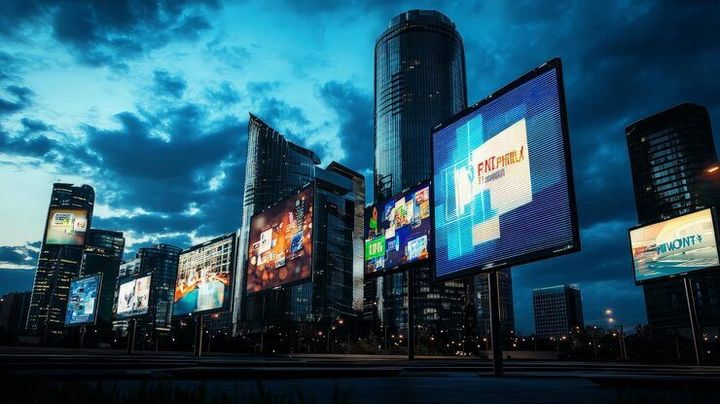
Digital Signage Billboards: Informative Guide to Modern Outdoor Advertising
Digital signage billboards are electronic display systems used to show advertisements, public messages, announcements, and visual information in outdoor or indoor locations. Unlike traditional printed billboards, these displays use LED or LCD technology to present dynamic content such as videos, animations, weather updates, traffic alerts, and brand messaging.
The rise of digital transformation and smart city infrastructure has increased the use of digital signage across transportation hubs, shopping centers, stadiums, highways, educational institutions, and public spaces. Businesses and organizations use these systems to update content remotely and communicate information more efficiently.
Digital signage exists because traditional advertising methods often lacked flexibility and real-time communication abilities. Modern digital displays solve this limitation by allowing instant updates, interactive experiences, and better audience engagement.
Why Digital Signage Billboards Matter Today
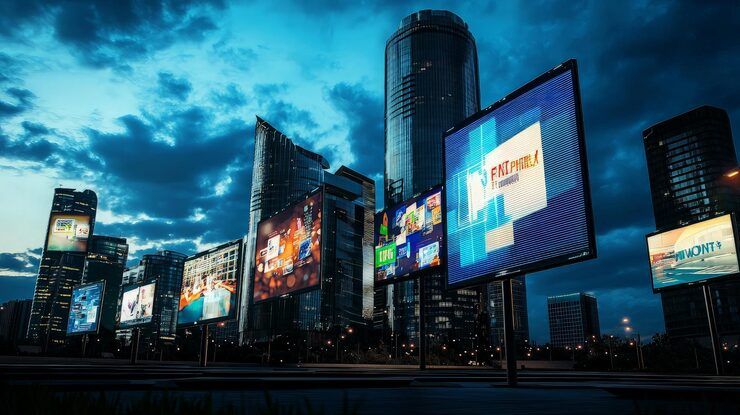
Digital signage billboards play a major role in modern communication and advertising ecosystems. As cities become more connected and audiences consume more visual content, digital displays help organizations deliver timely information and improve visibility.
These systems affect several industries, including:
- Retail and shopping centers
- Transportation and logistics
- Hospitality and tourism
- Healthcare facilities
- Educational institutions
- Entertainment venues
- Government information networks
Key Benefits of Digital Signage
Improved Content Flexibility
Digital billboards allow instant content changes without replacing physical materials. This helps organizations update information quickly during promotions, emergencies, or events.
Enhanced Audience Engagement
Motion graphics, videos, and animations attract more attention than static signage. Interactive displays also improve customer engagement in malls and public spaces.
Real-Time Information Sharing
Digital displays can show live weather, traffic conditions, event schedules, or emergency alerts in real time.
Environmental Advantages
Reducing paper printing and physical banner replacements can lower material waste over time.
Comparison Between Traditional and Digital Billboards
| Feature | Traditional Billboard | Digital Signage Billboard |
|---|---|---|
| Content Updates | Manual replacement | Remote instant updates |
| Media Type | Static image | Video, animation, live feeds |
| Flexibility | Limited | High |
| Maintenance | Physical printing needed | Software-based management |
| Audience Engagement | Moderate | Higher visual interaction |
Recent Updates and Industry Trends
The digital signage industry has experienced major technological growth during 2025 and late 2024. Several trends are shaping the future of billboard communication systems globally.
AI-Based Content Optimization
In 2025, many digital signage platforms began integrating artificial intelligence to automate content scheduling and audience targeting. AI tools analyze viewing patterns and adjust displayed content based on time, demographics, or environmental conditions.
Expansion of Smart City Projects
Countries across Asia, Europe, and North America have expanded smart infrastructure programs that include intelligent public display systems. Transportation networks increasingly use digital billboards for public guidance and safety messaging.
Energy-Efficient LED Technology
Manufacturers released newer low-energy LED panels in late 2024, improving brightness while reducing electricity consumption. This supports sustainability initiatives in urban development.
Growth of Interactive Displays
Touch-enabled and sensor-based digital screens are becoming more common in shopping malls, airports, and exhibitions. These systems support interactive maps, directories, and personalized content experiences.
Cloud-Based Content Management
Cloud platforms now allow operators to manage thousands of screens remotely from centralized dashboards. This improves scalability and operational efficiency.
Digital Out-of-Home Advertising Growth
Industry analysts reported strong growth in Digital Out-of-Home (DOOH) advertising throughout 2025 as advertisers shifted toward data-driven outdoor campaigns.
Regulations and Government Policies
Digital signage billboards are affected by local and national regulations related to public safety, brightness levels, advertising standards, and environmental considerations.
Advertising and Display Rules
Many countries regulate billboard placement near highways, intersections, and residential zones to prevent driver distraction and visual pollution.
Local authorities may impose restrictions on:
- Screen brightness levels
- Animation speed
- Display operating hours
- Billboard dimensions
- Noise emissions from interactive systems
Data Privacy and Smart Displays
Interactive signage systems that use cameras, sensors, or audience analytics may need to comply with data protection laws such as:
- General Data Protection Regulation (GDPR) in Europe
- Consumer privacy regulations in several countries
- Smart city surveillance guidelines
Environmental Compliance
Governments increasingly encourage energy-efficient technologies and sustainable infrastructure. LED billboards may need to follow environmental efficiency standards.
Public Information Programs
Some governments use digital signage networks for:
- Emergency alerts
- Weather warnings
- Transportation updates
- Public awareness campaigns
- Tourism information systems
These programs became more common after smart city initiatives expanded during 2024 and 2025.
Helpful Tools and Resources
Several digital tools and platforms help organizations manage, design, and optimize digital signage systems.
Content Design Platforms
Canva
Useful for creating billboard graphics, visual layouts, and promotional designs with templates.
Adobe Express
Supports animated content and motion graphics for digital displays.
Content Management Platforms
Xibo
An open-source digital signage management system used for remote content scheduling.
ScreenCloud
Cloud-based software for managing digital screens across multiple locations.
Analytics and Monitoring Tools
Google Analytics
Helps measure website traffic generated from billboard campaigns.
Heatmap and Audience Tracking Platforms
Some systems analyze audience interaction and viewing patterns using anonymous analytics.
Hardware and Technical Resources
LED Display Calculators
These calculators help determine screen resolution, viewing distance, and brightness requirements.
Brightness Measurement Tools
Useful for compliance with local outdoor advertising standards.
Educational and Industry Resources
- Smart Cities World
- Digital Signage Today
- Interactive Advertising Bureau (IAB)
- Urban transportation technology portals
- Public infrastructure development websites
Common Challenges in Digital Signage
Although digital signage provides many advantages, organizations may face several operational challenges.
Technical Maintenance
Displays require regular software updates, hardware monitoring, and system maintenance to avoid outages.
Weather and Environmental Exposure
Outdoor screens must withstand heat, rain, humidity, and dust conditions.
Content Management Complexity
Large networks of displays may require centralized scheduling and approval systems.
Cybersecurity Concerns
Internet-connected signage systems can face cybersecurity risks if software protections are outdated.
Energy Consumption
Large LED displays can consume significant electricity if not optimized properly.
Future of Digital Signage Billboards
Digital signage technology is expected to become more intelligent and integrated with urban infrastructure.
Future developments may include:
- AI-powered audience interaction
- Augmented reality billboard experiences
- Real-time language translation displays
- Solar-powered billboard systems
- 3D holographic advertising formats
- Integration with autonomous transportation systems
Industry experts believe smart displays will continue supporting public communication, transportation management, and urban digital transformation projects.
Frequently Asked Questions
What is the difference between digital signage and traditional billboards?
Traditional billboards use printed materials, while digital signage billboards use electronic displays capable of showing videos, animations, and live content updates.
Are digital billboards environmentally friendly?
Many modern LED systems are designed to improve energy efficiency. Digital signage can also reduce paper waste associated with printed advertising materials.
Where are digital signage billboards commonly used?
They are widely used in airports, highways, shopping malls, sports arenas, railway stations, hospitals, educational campuses, and smart city projects.
Can digital signage display live information?
Yes. Digital signage systems can show live weather updates, traffic alerts, event schedules, emergency notifications, and social media feeds.
Do governments regulate digital billboard displays?
Yes. Many countries regulate billboard brightness, placement, operating hours, and advertising standards to improve safety and reduce visual distractions.
Conclusion
Digital signage billboards have transformed modern communication by combining visual technology, remote management, and real-time content delivery. These systems are now essential parts of urban infrastructure, transportation networks, retail environments, and public communication platforms.
Advancements in LED technology, artificial intelligence, cloud computing, and smart city development continue shaping the digital signage industry in 2025. While regulations and operational challenges remain important considerations, digital signage offers flexible and scalable communication opportunities for organizations worldwide.
As technology evolves further, digital billboards are expected to become more interactive, sustainable, and integrated into everyday public experiences.