Robot Perception Systems Overview for Modern AI and Smart Automation
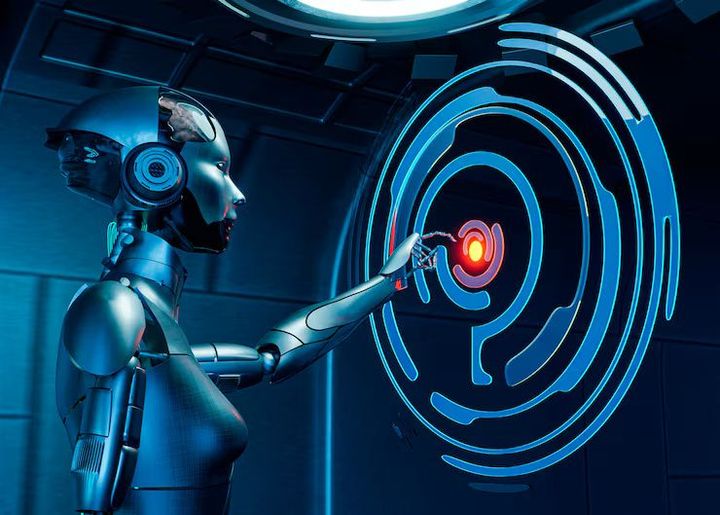
Robot perception systems are technologies that help robots understand and interact with their surroundings. These systems combine sensors, artificial intelligence, machine learning, and computer vision to collect and process environmental information.
Modern robots rely on perception systems to identify objects, recognize movement, measure distances, and make decisions in real time. Without perception capabilities, robots would struggle to perform tasks accurately in changing environments.
Robot perception exists because automation has become more advanced across industries such as healthcare, transportation, manufacturing, agriculture, and logistics. As robots move beyond repetitive factory tasks, they need better awareness and decision-making abilities.
Common technologies used in robot perception systems include:
- Cameras and 3D imaging
- LiDAR sensors
- Radar systems
- Ultrasonic sensors
- AI vision software
- Sensor fusion algorithms
- Machine learning models
These technologies allow robots to interpret visual and spatial information similarly to humans.
Why Robot Perception Systems Matter Today
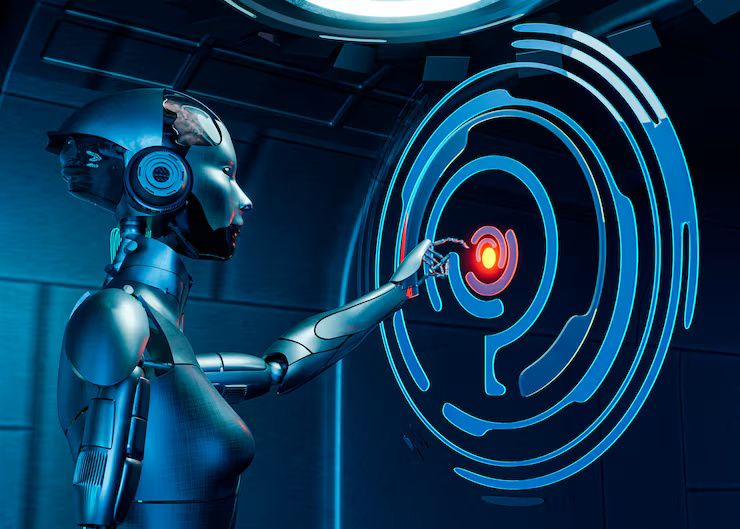
Robot perception systems play a major role in the growth of artificial intelligence and autonomous technology. Businesses, research institutions, and governments are investing heavily in robotics because intelligent machines can improve accuracy, safety, and efficiency.
Industries affected by robotic perception include:
| Industry | Common Applications | Main Benefits |
|---|---|---|
| Manufacturing | Quality inspection and assembly | Precision and automation |
| Healthcare | Surgical robotics and monitoring | Improved accuracy |
| Transportation | Self-driving vehicles | Safer navigation |
| Agriculture | Crop analysis and harvesting | Better resource management |
| Warehousing | Autonomous mobile robots | Faster logistics |
One important advantage of perception systems is environmental awareness. Robots can detect obstacles, analyze patterns, and respond to changes without constant human control.
Another major benefit is predictive decision-making. AI-powered robots can analyze data quickly and improve performance over time through machine learning.
Robot perception also supports safer human-robot collaboration. In smart factories and healthcare environments, robots use advanced sensors to avoid accidents and operate near people more safely.
Core Components of Robot Perception Systems
Sensors and Data Collection
Sensors are the foundation of robot perception. They gather information about the robot’s surroundings and internal status.
Common sensor types include:
- Visual sensors for image recognition
- LiDAR for 3D mapping
- Infrared sensors for heat detection
- GPS systems for positioning
- Touch sensors for physical interaction
Sensor quality directly affects robotic performance and reliability.
Computer Vision AI
Computer vision allows robots to process images and videos. AI models help machines recognize shapes, objects, faces, gestures, and movement patterns.
Applications of computer vision include:
- Traffic sign recognition
- Facial identification
- Industrial inspection
- Medical imaging support
- Warehouse inventory scanning
Computer vision has improved significantly due to deep learning technologies and cloud computing.
Sensor Fusion
Sensor fusion combines data from multiple sensors to improve accuracy. For example, autonomous vehicles may use cameras, radar, and LiDAR simultaneously.
This method reduces errors caused by poor lighting, weather conditions, or sensor limitations.
Machine Learning Robotics
Machine learning helps robots improve performance through experience and data analysis. Robots can learn navigation routes, object behavior, and task optimization without detailed manual programming.
Machine learning is especially useful in unpredictable environments where conditions change frequently.
Recent Updates in Robot Perception Systems
The robotics industry has experienced major developments throughout 2025 and late 2024.
Growth of Generative AI in Robotics
In early 2025, several robotics companies introduced AI models that improve robot reasoning and perception capabilities. Generative AI systems are now helping robots understand language commands and environmental context more effectively.
This trend is expanding research in:
- Human-robot interaction
- AI-based navigation
- Intelligent automation
- Adaptive robotics
Expansion of Autonomous Vehicle Research
Countries including the United States, Japan, Germany, and South Korea increased investment in autonomous transportation technologies during 2025.
Robot perception systems are becoming more advanced through:
- High-resolution LiDAR
- Real-time AI processing
- Edge computing integration
- Improved obstacle detection
Warehouse Robotics Advancements
Global logistics companies introduced smarter warehouse robots in 2025 that use advanced perception systems for package sorting and movement tracking.
These systems improve:
- Route planning
- Collision avoidance
- Inventory management
- Energy efficiency
AI Chip Development
Technology companies released new AI chips optimized for robotic perception and edge AI processing during 2024–2025. These chips allow faster image analysis with lower power consumption.
The result is more efficient robotics hardware for mobile devices and industrial automation.
Laws and Policies Affecting Robot Perception Systems
Robot perception systems are influenced by regulations related to artificial intelligence, privacy, data protection, and workplace safety.
AI Regulations
Many governments introduced AI governance frameworks in 2024 and 2025 to ensure transparency and accountability in automated systems.
Examples include:
- European Union AI Act
- U.S. AI safety guidelines
- Japan robotics safety standards
- India digital technology initiatives
These policies focus on responsible AI development and risk management.
Data Privacy Rules
Robots using cameras and sensors may collect personal or environmental data. Because of this, organizations must follow data privacy laws such as:
- GDPR in Europe
- Digital privacy regulations in Asia
- Consumer data protection laws in North America
These rules affect how robotic data is collected, stored, and processed.
Workplace Safety Standards
Industrial robots must meet safety regulations to reduce accidents in manufacturing environments.
Safety requirements often include:
- Emergency shutdown systems
- Collision prevention
- Safe operating zones
- Human detection sensors
Compliance helps improve trust in automation technologies.
Helpful Tools and Resources for Robot Perception Systems
Several software platforms and educational resources support robotics development and learning.
Robotics Development Platforms
Useful platforms include:
- ROS (Robot Operating System)
- NVIDIA Isaac Platform
- TensorFlow Robotics
- OpenCV for computer vision
- MATLAB Robotics Toolbox
These tools help developers build AI-powered robotic systems.
Learning Resources
Educational materials are available through:
- University robotics programs
- AI research publications
- Open-source robotics communities
- Technical webinars
- Robotics simulation software
Simulation and Testing Tools
Robot simulation tools allow testing without physical hardware.
Popular options include:
- Gazebo simulator
- Webots
- Unity robotics simulation
- Isaac Sim
These environments help researchers improve robot perception accuracy safely.
Challenges in Robot Perception Technology
Despite rapid progress, robot perception systems still face several limitations.
Environmental Complexity
Robots may struggle in environments with:
- Poor lighting
- Heavy rain or fog
- Cluttered spaces
- Reflective surfaces
These conditions can reduce sensor accuracy.
High Processing Requirements
AI perception systems require significant computing power. Real-time image analysis and sensor fusion demand advanced processors and energy-efficient hardware.
Ethical and Privacy Concerns
Some people are concerned about robotic surveillance and automated decision-making. Transparent AI policies and responsible data practices remain important topics globally.
System Reliability
Robots operating in healthcare, transportation, or industrial settings must maintain extremely high reliability to prevent safety risks.
Continuous testing and monitoring are necessary for dependable performance.
Frequently Asked Questions
What is a robot perception system?
A robot perception system is a combination of sensors, AI software, and processing tools that help robots understand and respond to their surroundings.
How does computer vision help robots?
Computer vision allows robots to analyze images and videos, recognize objects, detect movement, and improve navigation accuracy.
What industries use robot perception systems?
Industries including healthcare, manufacturing, logistics, transportation, agriculture, and retail use robotic perception technologies.
Why is sensor fusion important in robotics?
Sensor fusion combines information from multiple sensors to improve accuracy and reduce errors in different environmental conditions.
Are robot perception systems connected to artificial intelligence?
Yes. AI plays a major role in processing sensor data, recognizing patterns, making decisions, and improving robotic learning capabilities.
Conclusion
Robot perception systems are transforming how machines interact with the world. By combining sensors, computer vision, machine learning, and AI processing, robots can perform increasingly intelligent tasks across many industries.
Recent developments in autonomous systems, edge AI, and robotics hardware are accelerating innovation in this field. At the same time, governments and organizations continue to focus on safety, transparency, and responsible AI regulations.
As robotics technology advances, perception systems will remain a critical part of intelligent automation, helping machines navigate complex environments and support future industries more effectively.