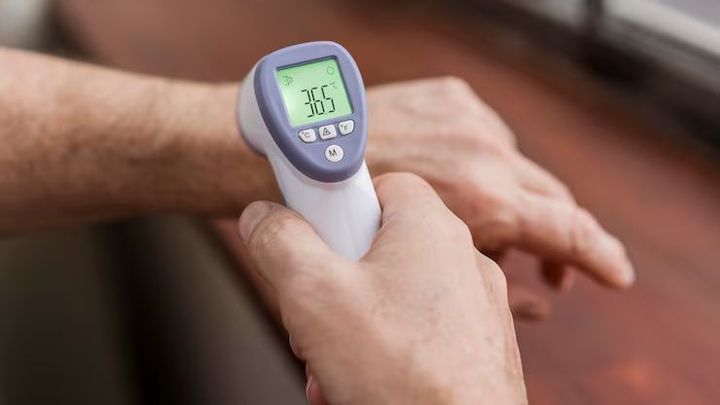
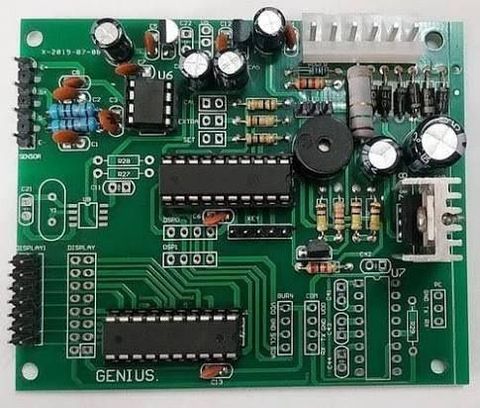
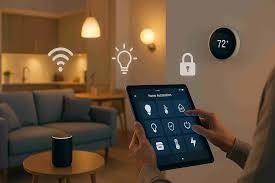
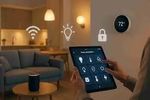
These sensors detect relative humidity and help control devices like air conditioners, dehumidifiers, and ventilation systems.
Humidity exists naturally in the air, but when levels become too high or too low, it can cause discomfort, damage materials, and even affect health. This is why humidity control sensors were developed—to provide accurate readings and automated adjustments for stable environments.
Modern humidity sensors are often integrated into smart systems, allowing real-time monitoring and automated responses. Technologies such as capacitive sensing and resistive sensing are widely used to measure humidity levels precisely.
Why Humidity Control Sensors Matter Today
Humidity control sensors play a crucial role in maintaining comfort, safety, and efficiency in modern environments. With increasing urbanization and climate variability, indoor air quality has become a growing concern.
These sensors are especially important for:
-
Homes and apartments to prevent mold growth
-
Offices to improve employee comfort
-
Hospitals to maintain sterile environments
-
Warehouses to protect stored goods
-
Data centers to prevent equipment damage
High humidity can lead to mold, corrosion, and structural damage, while low humidity can cause dryness, respiratory issues, and static electricity. Humidity control sensors help solve these problems by maintaining optimal moisture levels.
They also contribute to energy efficiency. By regulating HVAC systems more precisely, they reduce unnecessary energy use. This aligns with growing global interest in sustainable and energy-efficient technologies.
Recent Updates and Trends in Humidity Sensor Technology
In the past year (2025–2026), humidity control technology has seen significant advancements, particularly in smart integration and IoT-based monitoring.
One major trend is the integration of sensors with smart home platforms such as Google Home and Amazon Alexa. These systems allow users to monitor humidity levels remotely and automate climate control.
Another development is the use of AI-driven environmental monitoring. Sensors can now predict humidity changes based on weather patterns and indoor usage, improving efficiency.
Miniaturization is also a key trend. Sensors are becoming smaller and more energy-efficient, making them suitable for wearable devices and portable air quality monitors.
Additionally, industries are adopting wireless humidity sensors with cloud-based dashboards, allowing centralized monitoring across multiple locations.
Sustainability has also influenced sensor design, with manufacturers focusing on low-power consumption and recyclable materials.
Laws and Policies Affecting Humidity Monitoring
Humidity control is indirectly regulated through building standards, environmental policies, and workplace safety guidelines.
In India, organizations like the Bureau of Indian Standards provide guidelines for indoor air quality and building safety. These standards influence how humidity control systems are implemented in residential and commercial buildings.
The Central Pollution Control Board also emphasizes maintaining indoor air quality, especially in urban areas where pollution and humidity levels can fluctuate significantly.
Globally, standards such as ASHRAE (American Society of Heating, Refrigerating and Air-Conditioning Engineers) recommend maintaining indoor humidity between 30% and 60% for comfort and health.
In workplaces, occupational safety regulations often require controlled environments to protect both workers and equipment. This is particularly important in industries like pharmaceuticals, electronics, and food storage.
Tools and Resources for Humidity Monitoring
There are several tools and platforms that help individuals and organizations monitor and manage humidity effectively.
Digital Monitoring Tools
-
Smart hygrometers for real-time readings
-
IoT-enabled sensors for remote tracking
-
Environmental monitoring dashboards
Mobile Applications
-
Google Home for integrated smart device control
-
Amazon Alexa for voice-based monitoring
-
Air quality tracking apps for combined humidity and pollution data
Software Platforms
-
Cloud-based analytics tools for large-scale monitoring
-
Building management systems (BMS) for commercial use
Educational Resources
-
Online courses on HVAC systems
-
Government guidelines on indoor air quality
-
Research papers on environmental monitoring
Humidity Levels and Their Effects
Below is a simple reference table showing how different humidity levels affect environments:
| Humidity Level | Environment Impact | Common Issues |
|---|
| Below 30% | Air is too dry | Dry skin, static electricity |
| 30%–60% | Ideal range | Comfortable and healthy |
| 60%–80% | Slightly humid | Mold risk begins |
| Above 80% | Very humid | Structural damage, bacteria growth |
Maintaining humidity within the ideal range ensures comfort, protects materials, and improves overall air quality.
Common Questions About Humidity Control Sensors
What is a humidity control sensor used for?
A humidity control sensor measures moisture levels in the air and helps regulate systems like HVAC units to maintain balanced indoor conditions.
How accurate are modern humidity sensors?
Most modern sensors are highly accurate, typically within ±2% to ±5% relative humidity, depending on the technology used.
Can humidity sensors improve health?
Yes, maintaining proper humidity levels can reduce respiratory issues, prevent mold growth, and improve overall indoor air quality.
Where should a humidity sensor be placed?
It should be placed in a central location away from direct sunlight, vents, or moisture sources to ensure accurate readings.
Do humidity sensors require maintenance?
They require occasional calibration and cleaning to maintain accuracy, especially in dusty or high-moisture environments.
Conclusion
Humidity control sensors have become essential tools for maintaining comfortable, safe, and efficient indoor environments. From homes to industrial settings, these devices help regulate moisture levels, prevent damage, and improve air quality.
With advancements in smart technology, AI integration, and IoT connectivity, humidity sensors are becoming more intelligent and accessible. They are no longer just measurement tools but active components in automated environmental systems.
Understanding how these sensors work, why they matter, and how to use them effectively can help individuals and organizations create healthier and more sustainable spaces.